How to grow a money tree so it thrives? Mastering these care tips is key
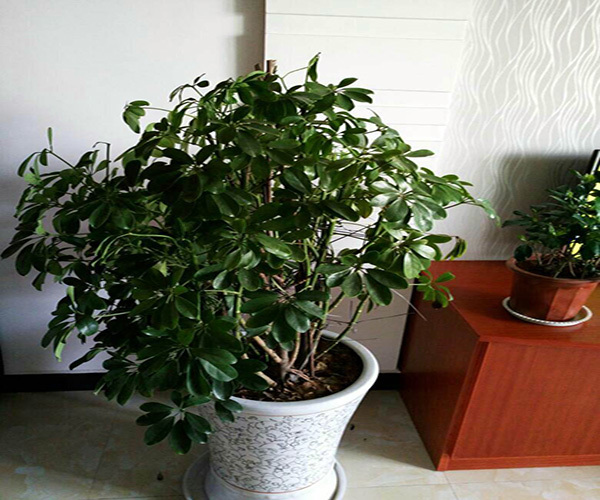
1. Soil: It needs soil rich in organic matter, with good permeability and strong water- and fertilizer-retention capacity.
2. Watering: Generally water twice a week; do not overwater, as this can cause rot and waterlogging. In winter, moisture should be strictly controlled, which helps it survive the winter safely.
3. Light: It can grow well in bright or dark places. In summer, maintain relatively high air humidity, keep it in a shaded spot, and avoid direct sunlight, as too-strong light scorches the leaves. It can tolerate a relatively dry environment, but in winter it needs bright light.
4. Temperature: The ambient temperature should be kept at 15-25°C, and in winter the temperature should not drop below 5°C.
5. Fertilizing: During the growing season, water and fertilizer should be sufficient. In January each year, apply a light watering and nitrogen fertilizer. In autumn, apply foliar fertilizer to promote leaf growth and improve cold resistance.
6. Pruning: The tree grows relatively fast and needs pruning, otherwise it may grow vertically; this is especially true for newly cut and rooted seedlings, which without pinching and pruning will grow into a bare single stem. Cut branches can be used for cuttings, otherwise they are wasted.
7. Pests and diseases: Common pests and diseases include anthracnose, scale insects, and red spider mites, so attention should be paid to applying pesticides and preventing them promptly.
Daffodil Daffodi Daffodil Guide: How to grow daffodils / How to propagate daffodils
Daffodil ProfileDaffodil Daffodi
Daffodil Growing Methods and Precautions Introduction to Daffodils
The daffodil is a perennial herbaceous plant of the genus Narcissus in the Amaryllidaceae family. It originated in China, and daffodils spread across the country from Jingzhou. In the recently published Jiangsu Social Sciences (bimonthly, 2011, Issue 6), Cheng Jie proposed in the article "A Study on the Origin of Chinese Daffodils" that daffodils originated in Jiangling, Hubei. They have been cultivated in China for more than a thousand years and are one of China's traditional famous flowers. There are more than 800 species in this genus worldwide, and more than 10 of them, such as the trumpet daffodil and the hoop petticoat daffodil, have extremely high ornamental value. Daffodils were originally distributed in Central Europe, the Mediterranean coast, and North Africa. The Chinese daffodil is a variety of the polyanthus narcissus. The flowers are white, borne in corymbs, and the leaves are narrow and strap-shaped. The daffodil root made from it has the effect of clearing heat and detoxifying. The flower language of the daffodil is longing and reunion.
Morphological Characteristics of Daffodils Morphological characteristicsThe bulb is ovate to broadly ovate-spherical, covered outside with a brown membranous skin. The leaves are narrow and strap-shaped, 30-80 cm long and 1.5-4 cm wide, with entire margins and a white powdery surface. The flower scape emerges from the leaf cluster and is taller than the leaves; those that generally bloom are leaf clusters with 4-5 leaves, each bulb sends up 1-7 flower stems, and some can reach more than 10; the corymb (umbel) bears 4-6 flowers, and some bear more than 10; the flowers are white and fragrant; the flowering period is January to March. Daffodil petals are mostly 6, resembling an ellipse, with the tips of the petals goose-yellow. Outside the stamens there is a bowl-like protective cover.Root:The daffodil has a fibrous root system, growing from the basal plate, milky white, fleshy, cylindrical, without lateral roots, fragile in texture, and easily broken; after breaking it cannot regenerate. The epidermal layer is composed of a single layer of cells, rectangular in cross-section, and the cortex is composed of parenchyma cells, elliptical. It is exogenous in origin, and old roots have air passages.Bulb:The bulb of the Chinese daffodil is conical or ovate. The outside of the bulb is covered with a yellowish-brown papery film, called the bulb skin. Inside there are several layers of fleshy, white, clasping bulb scales, with axillary buds between each layer and a flower bud in the central part, and the base is connected to the basal plate.Leaf:The leaves of the Chinese daffodil are flat and strap-shaped, grayish green, with a frosty powder on the leaf surface, blunt tips, and parallel veins. Mature leaves are 30-50 cm long and 1-5 cm wide. The base is a milky white sheath-like scale, without a petiole. Cultivated Chinese daffodils generally have 5-9 leaves per plant, up to 11.Flower:The inflorescence axis emerges from the leaf cluster, green, cylindrical, hollow; the surface has obvious concave-convex ridges, and the epidermis has waxy powder; 20-45 cm long, 2-3 mm in diameter. Umbel; the florets are fan-shaped at the top of the inflorescence axis, wrapped outside by a membranous spathe, generally 3-7 florets (up to 16); the base of the perianth is united, tubular, with 6 lobes, spreading flat like a plate when open, white; the corona is cup-shaped, goose-yellow or bright yellow (called "golden cup and silver platform." There is also golden cup and golden platform - both petals and corona are yellow; silver cup and silver platform - both petals and corona are white). There are 6 stamens, 1 pistil, the stigma is 3-lobed, and the ovary is inferior.Fruit:It is a small capsule. The capsule develops from the ovary and splits open from the back when ripe. The Chinese daffodil is triploid and does not set seed.
Variety Classification of Daffodils
Latin and English: Narcissus (another commonly used English name, "Daffodil," is in fact just the name of one of its classifications). The Chinese daffodil, the major Chinese variety Narcissus tazetta var. chinensis Roem, is one type. Besides the common white daffodil in China, there is also a yellow variety called the trumpet daffodil. Regarding the origin of the Chinese daffodil, some scholars have verified that it was introduced from abroad during the Five Dynasties period, and the name comes from a free translation. (See Cheng Jie, "A Study on the Origin of Chinese Daffodils," Jiangsu Social Sciences, 2011, Issue 6)Alternative NamesLingbo Xianzi, Golden Cup and Silver Platform, Luoshen Xiangfei, Yulinglong, Gold and Silver Platform, Yaonv Flower, Tiancong, Elegant Garlic, Flower in the Snow, Nvshi Flower, Lilian, Peixuan, Shuixian, etc.Common Variety Trumpet Daffodil: The bulb is spherical, the leaves are flat and linear, 20-30 cm long and 1.4-1.6 cm wide, grayish green, smooth. The flower is solitary, large, pale yellow, about 5 cm in diameter; the corona is about as long as the perianth segments. The flowering period is February and March. This species has many horticultural varieties, including broad-leaved and narrow-leaved varieties, and those with white perianth and yellow corona or with both perianth and corona entirely yellow.Hoop Petticoat Daffodil: The plant is low-growing, with fine strap-shaped leaves, dark green; the flower is solitary, small, with a long funnel-shaped corona. The perianth segments are very small, and the flower color is pure yellow.Cyclamineus Daffodil: The plant is short, with 2-3 flowers clustered, small and drooping or lateral; the flowers are yellow, and the perianth segments curl backward.Star Daffodil: The bulb is ovate. The leaves are flat and linear, 30-40 cm long and about 1 cm wide, powdery green. The flower is solitary, spreading horizontally or slightly drooping, 5-5.5 cm in diameter; both the perianth and corona are yellow, and there are also varieties with white perianth. The flowering period is mid-April.Three-stamen Daffodil: The plant is short, with 1-9 flowers clustered, and only three stamens extending beyond the corona; the flowers are white, resembling the cyclamineus daffodil but with a shorter corona.French Daffodil: 3-10 flowers clustered; the corona and perianth are the same color or different colors, and it is fragrant.Poet's Daffodil: Also called red daffodil. The leaves are about 30 cm long and 0.8-1 cm wide. The flower is solitary, or a few with one or two, 5-6 cm in diameter; the perianth is white; the corona is shallow cup-shaped, yellow, with a wrinkled, slightly red edge. It blooms in spring.
Jonquil: 1-3 leaves, columnar, dark green, with 1-2 flowers, salverform, 2.5 cm in diameter, the perianth yellow, the corona orange-yellow, strongly fragrant. It blooms in spring.
Variety ClassificationThere are more than 800 species in this genus worldwide, and more than 10 of them have extremely high ornamental value. Daffodils are mostly distributed in Central Europe, the Mediterranean coast, and North Africa. The Chinese daffodil is a variety of the polyanthus narcissus, with the species name: Narcissus tazetta var. chinensis Roem. The Mediterranean periphery has a "Mediterranean climate," characterized by mild, rainy winters and hot, dry summers, completely different from the monsoon climate of most parts of China, where rain and heat occur in the same season. For some plants along the Mediterranean coast, blooming in the pleasant winter is of course more advantageous than blooming in the dry, hot summer, so many ornamental flowers that originated there bloom in winter, including not only daffodils but also cyclamen, hyacinths, crocuses, and so on. China cultivated them as early as more than 1,300 years ago in the Tang Dynasty, and they were deeply loved by people, being one of China's top ten famous flowers. In China, daffodils are distributed in the wild in the southeastern coastal areas, with those from Chongming County in Shanghai and Zhangzhou in Fujian being the most famous. Several hundred years ago, Suzhou, Jiading, and other places also produced daffodils. Besides the common white daffodil, there is also a yellow variety called the trumpet daffodil. Yellow daffodils have a long cultivation history in Europe. Since the 1830s, the Netherlands, Belgium, the United Kingdom, and other countries have done a great deal of work on the breeding and variety improvement of yellow daffodils. To date, cultivated varieties have reached 26,000, and new varieties are born every year. China began cultivating yellow daffodils at the end of the 19th century. On January 9, 2006, Zhang Bingchun, a resident of Lianyungang, Jiangsu, China, also bred daffodils that can produce flowers of different colors such as red, yellow, blue, and green, so they are also called colored daffodils. Main strainsThe Chinese daffodil mainly has two strains:Single-petal typeA specialty of Zhangzhou, Fujian, with a pale bluish-white corolla, yellow calyx, 6 perianth segments, and a golden corona in the middle shaped like a cup, with a delicate fragrance, so it is called "Golden Cup Jade Platform" and also "Wine Cup Daffodil." The flowering period is about half a month; if the corona is white, with many flowers and slightly finer leaves, it is called "Silver Cup Jade Platform."Double-petal type (double-flowered type)The flower is double, white, with 12 perianth segments curled into a cluster, the lower part of the corolla slightly yellow and the upper part pale white, without an obvious corona. It is called "Baiye Daffodil" or "Yulinglong," and the flowering period is about twenty days. The flower shape is not as beautiful as the single-petal type, and the fragrance is also weaker; it is a variety of daffodil. In addition, according to the place of origin, it is divided into Zhangzhou daffodil and Chongming daffodil. What is usually called daffodil often refers to Zhangzhou daffodil, which is known as one of the "Three Treasures of Zhangzhou." Among Zhangzhou daffodils, those planted at the foot of Yuanshan are the best. The morning sun in Zhangzhou shines exactly on the flower fields at the foot of the mountain, while in the afternoon the slanting sun is blocked by Yuanshan, providing both sun exposure and shade, a natural barrier that is warm in winter and cool in summer. Below the mountain, the tributaries of the Jiulong River and valley springs interweave, providing abundant water; the flower field soil is soft, a sandy loam; in addition, hot springs pass through the geology, so even in freezing seasons, a suitable ground temperature can be maintained. Daffodils grow in such a superior environment, and therefore their quality is excellent.
Ecological Habits of Daffodils
They like warmth and moisture, and also require good drainage. Alluvial sandy loam that is loose, fertile, and deep is best, and pH 5-7.5 is suitable for growth. They like full sunlight. Daffodils like sunlight and warmth. During the day, the daffodil pot should be placed in a sunny, south-facing place to receive sufficient light. Because plants need to provide nutrients through chlorophyll via photosynthesis, only then can the daffodil leaves be broad, thick, upright, fresh green, and the flowers fragrant. Otherwise, the leaves will be tall and thin, weak, withered yellow, and may even fail to bloom.
Medicinal or Dietary Therapeutic Value of Daffodils
The medical information and health dietary information on Hugarden.com is for reference only and cannot be used as a basis for diagnosis or medical treatment. Any health problem should be consulted with professional medical personnel, and the treatment of any disease should follow a doctor's advice.
Ultimate flower-care mission: Love yourself, start from reality, and strictly follow a doctor's advice. For illness, do not be careless, do not delay, do not give up hope; face it bravely, warm the silent world with love, and care for the flower field in your heart with your heart.
Bencao Hui BianDaffodil Flower[Drug name] Daffodil [Alias] Daffodil flower [Explanation of name] Golden Cup Silver Platform [Source] The daffodil, a plant of the genus Narcissus in the Amaryllidaceae family, is used medicinally with its bulb. Collected in spring and autumn, washed free of sand and mud, blanched in boiling water, then sliced and dried in the sun or used fresh. [Nature, flavor, and meridian entry] Bitter, pungent, cold. Slightly toxic. [Functions and indications] Clear heat and detoxify, dissipate masses and reduce swelling. Used for mumps and for the early stage of boils, sores, and furuncles with redness, swelling, heat, and pain. [Usage and dosage] 15-20 grams. For external use, an appropriate amount, with the fresh product pounded and applied to the affected area. [Excerpt] National Compendium of Chinese Herbal MedicinesDaffodil Root[Drug name] Daffodil root [Pinyin] SHUIXIANGEN [Source] The bulb of the Amaryllidaceae plant daffodil. [Effects] Clear heat and detoxify. [Indications] Treats swollen sores and toxic lesions, insect bites, and fish bone obstruction. [Nature, flavor, and meridian entry] 1. Gangmu: "Bitter and slightly pungent, slippery and cold, non-toxic." 2. Bencao Zaixin: "Sweet and bitter in flavor, cold in nature, toxic." Bencao Zaixin: "Enters the heart and lung meridians." [Usage and dosage] External use: pound and apply or pound for juice and smear. [Contraindications] This product is toxic and should not be taken internally. If the bulb is eaten in relatively large amounts, there will be mildToxicity. Some people confuse it with onions - those who accidentally eat daffodil bulbs will experience symptoms such as nausea, vomiting, abdominal pain, and diarrhea. If the condition is serious or the patient is a child, doctors will recommend intravenous drip or oral medication to relieve symptoms such as nausea and vomiting. [Prescription name] Daffodil flower root [Harvesting and storage of medicinal material] Best harvested in spring and autumn. After digging up the root head, cut off the stem, fibrous roots, and roots, wash away sand and mud, blanch in boiling water, and dry in the sun; or cut lengthwise into slices and dry in the sun. [Latin name] Original plant daffodil Narcissus tazetta L. Var. Chinensis Roem. [Preparation method] Bencao Hui Bian: "Collect the roots in early May, soak overnight in boy's urine, dry in the sun, and hang in a warm place near fire." [Textual research] From Bencao Gangmu. [Identification of raw medicinal material] The bulb is round, or slightly conical, about 4-5 cm in diameter. The outside is wrapped in a brown membranous skin. After tearing it open, the interior consists of many mutually enclosing yellow-white segments (scale leaves). Light in texture, with little odor. Those that are large and full inside are better. [Chemical composition of Chinese medicine] Contains various alkaloids such as pseudolycorine, lycorine, tazettine, and Zhangzhou daffodil alkaloid. Daffodil alkaloids have certain anticancer and antiviral activity. The bulb of the same-genus plant white daffodil Narcissus papyraceus Ker-Gaw contains papyramine (C18 H21 O4 N, a stereoisomer of lycorenine), lycorine, tazettine, galanthamine, lycoramine, and pseudolycorine.SourceThe flower of the Amaryllidaceae plant daffodil. Functions and indications: dispel wind and remove heat, invigorate blood and regulate menstruation. 1. Gangmu: "Remove wind qi." 2. Modern Practical Chinese Medicine: "Treats uterine diseases in women and irregular menstruation." Usage and dosage: Internal use: decoct in soup, 4-7.5 grams; or make into powder. External use: pound and apply. Selected formula: To treat women's five-center heat: daffodil flower, dried lotus leaf, and red peony root in equal parts. Grind into powder, take two qian each time with plain warm water. (Weisheng Yijian Fang) Related legends.
Uses and Effects of Daffodils Beautify Skin and Nourish Complexion·Skin anti-aging and anti-wrinkleExternal environmental conditions (ultraviolet rays and pollutants) increase cell division and thereby cause premature cell aging. Since the number of cell divisions is limited, keeping cells at an early stage of division can preserve cell capital and keep cells in a relatively young state. Daffodil bulb extract can slow cell proliferation. Extending the cell maturation period can give the skin more mature cells, and thus better resist damage from external environmental factors. In addition, daffodil bulb extract can make the skin elastic and firm, improve wrinkle depth, and achieve an anti-wrinkle effect.Skin whiteningET-1 (endothelin) can stimulate melanocyte proliferation and melanin synthesis, and is a marker of melanocyte proliferation and melanin synthesis. Daffodil bulb extract can significantly inhibit the production/release of ET-1, and in normal human keratinocyte culture experiments it can completely inhibit IL1a-induced upregulation of ET-1. Daffodil bulb extract achieves a skin-whitening effect by slowing melanocyte proliferation.Skin hydration and moisturizingA natural moisturizing essence extracted from daffodils blends into the skin, providing plentiful moisture, forming a moisturizing and water-locking film on the skin surface, moisturizing the skin from the inside out, improving dehydrated, dull, and tired skin, and restoring the skin to a hydrated, tender, and smooth stateHair care and nourishmentDaffodil bulb extract can protect the scalp, reduce oil content, and remove dandruff. In addition, it can indirectly achieve a hair-removal effect by maintaining slow hair growth after mechanical epilation. In addition, daffodil bulb extract can also be applied to medical cosmetics, such as for psoriasis, eczema, and acne diseases caused by disorders of skin and scalp cell proliferation.Variety ToxicityThis species is a toxic plant included in the Chinese Plant Atlas Database. Its toxicity is that the whole plant is toxic, and the bulb is more toxic. After accidental ingestion, there are vomiting, abdominal pain, abdominal distension, rapid and weak pulse, cold sweat, diarrhea, irregular breathing, rising body temperature, lethargy, collapse, and in severe cases spasms, paralysis, and death. The infusion of the bulb has a strong excitatory effect on the uterus of guinea pigs, rabbits, and cats, and can make pigeons vomit. The LD50 of total daffodil alkaloids injected intraperitoneally in mice is 182 mg/kg; when injected intramuscularly into dogs at 16 mg/kg, there is reduced activity, no eating, and partial death. The flowers, branches, and leaves of daffodils are all toxic, so beware of children accidentally swallowing them. Environmental protection effectDaffodils have a very good function in cleaning the home environment. 1. Place it in the kitchen, where pollution is greatest, and you will soon see
Propagation Methods of Daffodils 1. Offset bulb propagationThis is the most common and commonly used propagation method. The storage bulbs grow on both sides outside the bulb and are connected to the mother bulb only at the base, so they easily separate from the mother body on their own. In autumn, separate them from the mother bulb and plant them separately, and new bulbs are produced the following year.2. Offset bud propagationOffset buds are buds wrapped inside the bulb. Only when bulb root castration is carried out do they separate from the mother body together with the excavated broken scales. Pick out the white buds and sow them on a seedbed in autumn, and new bulbs are produced the following year.3. Twin-scale propagationA single bulb contains many offset buds, some clearly visible and some hidden. But the basic rule is that between every two scales there is one bud. Using a bulb basal plate with two scales as propagation material is called twin-scale propagation. The method is to first place the bulb at a low temperature of 4-10°C for 4-8 weeks, then at room temperature cut the basal plate into small pieces so that each piece has two scales, and cut off the upper end of the scales, leaving 2 cm as propagation material. Then use a plastic bag containing vermiculite with 50% moisture or sand with 6% moisture, put the propagation material into the bag, seal the bag opening, and place it in a dark place at 20-28°C. After 2-3 months, small bulbs can grow, with a bulb formation rate of 80-90%. This is a newly developing method that can be carried out in all four seasons, but April to September is better. The survival rate of the produced small bulbs after transplanting is high, up to 80-100%.4. Tissue cultureUse MS medium, add 30 grams of sucrose and 5 grams of activated carbon per liter, use shoot tips as explants, or use stem plates with twin scales 5×10 mm as explants, pH 5-7; place into 20x100 mm glass tubes, with 10 mL of medium per tube. After disinfection, implant one explant per tube, then culture at 25°C. After 10 days of inoculation, small protrusions appear, after 20 days they become small bulbs, and after 1 month they are transferred to medium containing NAA 0.1/mg 1/2MS. After 6-8 weeks they have leaves and roots, and when transplanted into the field, the survival rate can be 100%. When shoot tips are used as explants, there is also a virus-removal effect.
Cultivation Techniques of Daffodils
Daffodil cultivation includes three methods: dryland cultivation, paddy field cultivation, and soilless cultivation.1. Dryland cultivationEach year after digging the bulbs, pick out the large bulbs that can be sold on the market, and the remaining small offset bulbs can be planted immediately. They can also be kept until September-October for planting. It is generally believed that earlier planting gives better root development and better growth. When planting, choose larger bulbs and use the spot-planting method, in single rows or wide rows. For single-row planting, use a plant-row spacing of 6×25 cm; for wide-row planting, use a plant-row spacing of 6×15 cm. After planting 3-4 consecutive rows, leave a row spacing of 35-40 cm, and then repeat continuously. For dryland cultivation, care is relatively extensive; apart from applying water and fertilizer 2-3 times, it is not often watered. Single-row planting is often intercropped with crops.2. Paddy field cultivation(1) Seed bulb selection and grading cultivation Seed bulb selection is very strict. It is required to select seed bulbs that are free of pests and diseases, undamaged, with bright and smooth outer scales and clear veins, and to cultivate them in three grades according to bulb size and age. 1. 1-year cultivation: From the offset bulbs after 2-year cultivation (also called drill heads), or from small bulbs that cannot be used for 2-year cultivation, select those with firm bodies, broad and thick, and about 3 cm in diameter as seed bulbs. Cultivate by broadcast sowing, row sowing, or spot sowing. About 23,000 plants per mu. 2. 2-year cultivation: After 1-year cultivation, the bulbs become conical. From them, select those that are firm, with thick tops, and more than about 4 cm in diameter as seed bulbs. Cultivation and care are more meticulous than for 1-year cultivation. About 8,000-10,000 plants per mu. 3. 3-year cultivation: 3-year cultivation is also called commercial bulb cultivation. It is the final year of cultivation before being sold on the market and used for viewing, and its cultivation management is extremely meticulous and most important. From the bulbs that have undergone 2-year cultivation, select bulbs that are broad and short in shape, with a single main bud, a broad and thick basal plate, a thick and large top, and a diameter of more than 5 cm as seed bulbs. Before planting, peel off the outer bulbs and use the castration method to remove the inner buds, so that each bulb retains only one central bud. About 5,000 plants per mu.Cultivation Key Points1. Plowing and soaking the field: In August-September, loosen the soil, then release water into the field for irrigation. After soaking the field for 1-2 weeks, drain the water. Then plow and turn 5-6 more times, with a depth of more than 35 cm, so that the lower soil matures and becomes soft, thereby improving fertility, reducing pests, diseases, and weeds, and increasing soil aeration. 2. Fertilizing and making beds: Daffodils need a large amount of organic fertilizer as base fertilizer. For 3-year cultivation, 5,000-10,000 kg of organic fertilizer is needed per mu, appropriately mixed with some superphosphate or calcium magnesium phosphate fertilizer, about 20-50 kg. For 2-year cultivation, the fertilizer amount is halved, and for 1-year cultivation it can be reduced further. These fertilizers should be turned into the soil several times along with plowing, so that the soil is loose and the fertilizer is uniform. Then level the soil surface and make beds 120 cm wide and 40 cm high, with a ditch width of about 35-40 cm. The bed surface should be neat and loose, and the ditch bottom should be smooth, firm, and slightly sloping so that water flows smoothly. 3. Seed bulb castration: In order to make the bulb increase greatly after the last cultivation and facilitate more flowering, seed bulb castration surgery is required. The principle of this surgery is the same as general plant bud removal: to concentrate nutrients, make the main bud grow robustly, and obtain a huge bulb the following year. The difference is that its offset buds are wrapped inside the scales, and the offset buds cannot be removed without cutting open the scales. The technical difficulty of castration is relatively high, and during operation one must make clear distinctions: remove all offset buds, but do not injure the main bud or the basal plate. The offset buds are located on both sides of the flat leaf surface of the main bud. During castration, first aim at the position where the offset bud is attached, then use the left thumb and index finger to hold the basal plate, and use the right hand to operate the knife for castration. The castration knife is about 1.5 cm wide, and the blade edge is return-shaped at the tip. During castration, the cut opening should be small. If the basal plate and main bud are accidentally injured, the bulb is useless and should be discarded. If the inner scales are found to have dark brown mottling, they should also be discarded. 4. Seed bulb disinfection: Before planting, soak the bulbs in 100 times diluted 40% formalin for 5 minutes; or disinfect by soaking the bulbs in 0.1% mercuric chloride water for half an hour. If mites are present, soak the seeds in 0.1% dicofol for 10 minutes.
5. Planting: In Zhangzhou, planting is in late October; in Shanghai, mostly in late September to early October. Because daffodil leaves extend to both sides, a smaller plant spacing and larger row spacing are used. For 3-year cultivation, use a plant-row spacing of 15×40 cm; for 2-year cultivation, use a plant-row spacing of 12×35 cm. When planting, examine the orientation of the leaves one by one, and plant according to the requirement that future leaves extend uniformly toward the rows, so that there is sufficient space. To make the bulbs firm, deep planting is appropriate. For 1- and 2-year cultivation, the depth is about 8-10 cm; for 3-year cultivation, the depth is about 5 cm. After planting, cover with thin soil, and immediately apply decomposed fertilizer water on the planting rows. After planting, remove clods of mud from the ditch, level the bed surface, and immediately fill the ditch with water. Drain the water the next day. When the mud is sticky but not yet slurry, repair the ditch bottom and ditch edges and tamp them firm, so as to reduce water seepage and make water flow smoothly. After repairing the ditch, cover the bed surface with rice straw. For 3-year plants, the straw cover should be thick, about 5 cm; for 1- and 2-year plants, the straw cover can be thinner. When covering with straw, make the straw roots extend toward the ditches on both sides of the bed, and the tips overlap and connect in the middle of the bed. After planting is finished, release water. Initially the water depth is about 8-10 cm, and after 1 week it is deepened to 15-20 cm. The water surface is maintained below the bulbs, so that the bulbs are in the soil and the roots are in the water. The depth reaches into the ditch water, and the root tips overlap and connect in the center of the bed head. Initially the ditch water depth is about 8-10 cm, and after 1 week it is deepened to 15-20 cm. The water surface is maintained below the bulbs, so that the roots are in the water and the bulbs are in the soil.
Cultivation MethodsDaffodils like sunlight and warmth, require high air humidity, are not very cold-tolerant, and are afraid of heat. During the vegetative growth period, they need moist but not waterlogged sandy soil. Unlike other perennial herbaceous bulb flowers, daffodils have the characteristics of beginning growth in autumn, blooming in winter, storing nutrients in spring, and dormancy in summer.
There are two methods for cultivating daffodils: water culture and soil culture.
The water culture method is cultivation by soaking in a shallow basin of water. Place the daffodil that has undergone sprouting treatment upright into a shallow daffodil basin, and add water to submerge one third of the bulb. Quartz sand, pebbles, and the like can be used in the basin to fix the bulb.
During the day, the daffodil basin should be placed in a place with sufficient sunlight, and at night it should be moved indoors, and the water in the basin should be poured out to control leaf spindling. The next morning, add clean water again, and be careful not to change the direction of the bulb. When first potted, the daffodil can have its water changed once a day, then once every 2-3 days, and after the flower buds form, once a week. Daffodils grow well at 10-15°C, and can bloom in about 45 days. The flowering period can last more than a month.
During the water culture period of daffodils, sufficient light must especially be given. During the day, place them in a sunny place, and at night they can be placed under lamplight. This can prevent the stems and leaves of the daffodil from spindling, making the daffodil leaves short, broad, thick, and sturdy, with deep green leaf color and fragrant flowers. For water-cultured daffodils, fertilizer is generally not needed. If conditions permit, applying a little quick-acting phosphate fertilizer during the flowering period can make the flowers bloom better.
Growing daffodils requires no flower fertilizer at all; clean water alone is enough. To make the daffodil grow robustly, it should be taken to the balcony to bask in the sun during the day. If you want to delay the flowering period, you can adopt the method of lowering the water temperature, or pour out all the water in the basin in the evening and add clean water again the next morning. In addition, if full flower buds cannot be seen 10 days before the festival, the method of warming the water can be used to force flowering, and the water temperature should preferably be close to body temperature.
As long as the conditions for daffodil care are mastered, "flowers can bloom as one wishes"; otherwise, flowering will be delayed, or even only leaves will grow without flowers.
The soil culture method is less commonly used by households, that is, using the cultivation method of most moisture-loving flowers to grow daffodils. In mid-to-late October, use fertile sandy soil to plant large bulbs into small pots with holes, planting half and leaving half exposed. Fine sand should be placed under the bulb in advance to facilitate drainage. Place the pot indoors with sufficient sunlight and suitable temperature. 4-12°C is preferable. Too low a temperature easily causes freezing injury; too high a temperature plus insufficient light easily causes spindling, weak plants, and a short flowering time, reducing ornamental value. In management, if the requirements for light and temperature are met, the leaves will be thick and large and the flower scapes sturdy, so the flowers can bloom large and the fragrance last long. For soil-cultured daffodils, apply liquid fertilizer two to three times before flowering.
Because of limited climatic conditions, daffodils cannot reproduce on their own. When cultivating daffodils, if there is no pest or disease damage, there is no need to spray chemicals. For winter water culture of daffodils, temperature, light, and water supply are the three essential factors for whether daffodils can bloom. Daffodil growth requires sufficient sunlight; a suitable temperature of 12°C-15°C; and clean water.
Daffodil Care Tips CareFrom planting to digging bulbs, daffodils need to grow in the field for 6-7 months. To grow an ideal bulb, in addition to the above basic work, it mainly depends on care. 1. Irrigation: There should often be flowing water in the ditch. The depth of the water is related to the growth period, season, and weather. Flower farmers have the principle of "more water with north wind, less water with southwest wind, drain water on rainy days, retain water on sunny days." Generally, when it is cold, the water should be deep; when it is warm, the water should be shallow; in the early growth stage, the water depth is maintained at 3/5 of the bed height, so that the water approaches the base of the bulb. In late February, when the plants are already tall, the water level can be slightly lowered, with the water depth on sunny days at 1/3 of the bed height. If it rains, the water level should be lowered so that water does not submerge the bulbs. From late April to May, the water-blocking dam should be completely removed, and the ditch water drained, until the bulbs are dug. 2. Topdressing: Daffodils like fertilizer. Begin topdressing after sprouting. For 3-year cultivation, topdressing should be frequent, once every 7 days; for 2-year cultivation, once every 10 days; for 1-year cultivation, once every half month. In Shanghai, where it is cold, in order to improve the cold resistance of daffodils, apply phosphorus and potassium fertilizer once before winter. Stop fertilizer in January, continue topdressing from late February to mid-April, mainly with phosphorus and potassium fertilizer, and stop fertilizer and dry the field in May. 3. Bud removal and flower picking: When castrating the bulb, if there are residual offset buds that sprout, 1-2 rounds of bud pulling should be carried out early to remedy incomplete castration. Daffodils planted in the field bloom from late December to March. In order to concentrate nutrients on bulb growth, the flowers should be picked. To make full use of flower materials, when the flower stem elongates to 20 cm it can be cut as a cut flower for sale. 4. Cold protection: Although daffodils tolerate a certain degree of low temperature, they are also afraid of heavy frost and severe cold. When heavy frost occasionally appears, spray water to wash off the frost before sunrise, so as to avoid harming the daffodil leaves. For weather below -2°C, cold protection measures should be taken. In warmer areas, windbreaks can be planted; in the Shanghai area, plastic film can be used for cold protection, and daffodils must not be allowed to suffer cold. In October, the natural temperature gradually decreases, the flower bud differentiation and development of daffodils is complete, and they begin to enter the stage of grading, packaging, and marketing. Daffodils are packaged in bamboo baskets. The grade of the bulbs is determined by the number of bulbs packed into the basket. A basket containing 20 bulbs is a 20 pack, the best grade; in descending order, baskets containing 30, 40, 50, and 60 bulbs are called 30 pack, 40 pack, 50 pack, and 60 pack respectively. Nowadays, the bulb counts of four baskets are often combined and packed into one large basket. Nowadays packaging has also improved somewhat, using exquisite paper box packaging, with daffodil patterns printed on the outside of the box, which is both attractive and clean. The top grade is 2 bulbs per box.Care ConditionsFirst, for winter water culture of daffodils, temperature, light, and water supply are the three essential factors for whether daffodils can bloom. 1. The suitable temperature is 12-15°C. 2. Add clean water to 2/3 of the bulb. When first potted, change the water once a day with aired tap water, and before flowering it can be changed to once every 2-3 days. 3. It can live without stones, and warm water can be appropriately added to force flowering, with the water temperature preferably close to body temperature. 4. At night it can be placed indoors. The sap of the daffodil bulb is toxic and contains lycorine, used as a surgical analgesic; the bulb can be pounded and applied to treat swollen sores. 5. If the room temperature is kept at 15°C, it blooms in 28-30 days; if the room temperature is 18-20°C, it can bloom in 23-25 days. In the Pearl River Delta region, the room temperature from mid-January to mid-February is about 16-20°C, so under normal conditions it can bloom in 20-25 days. Second, the length of the flowering period changes with room temperature. So how can the flowering period be made long and the fragrance last? Scientifically controlling the greenhouse is the best method. When the room temperature is ≥13°C, the flowering period is only about 7 days; at 8-12°C, the flowering period can be as long as 15-20 days; at 15-20°C, the flowering period is 10 days; if the room temperature is kept at about 4°C, the flowering period can be as long as 1 month. According to the temperature conditions in the Pearl River Delta region, the flowering period generally can be maintained for 10 days. Third, during the Spring Festival, household daffodils should be placed in a place with sufficient sunlight, good ventilation, and far from heaters and stoves. When the flower buds are about to open, they need to be moved to a cool place indoors, avoiding direct sunlight, and keeping the room temperature stable with little change. Control the flowering time. Under conditions of sufficient light and clean water, when the indoor temperature is 12-15°C, daffodils take about 40 days from soaking to flowering; when the room temperature is about 18°C, about 30 days; when the room temperature is 20°C, only 25 days to bloom; therefore, the soaking date of daffodil bulbs can be determined according to need, so as to enjoy the fragrant and beautiful daffodils at the right time. Growing daffodils requires no flower fertilizer at all; clean water alone is enough. For robust daffodil growth, it should be taken to the balcony to bask in the sun during the day. To delay the flowering period, adopt the method of lowering the water temperature, pour out all the water in the basin in the evening, and add clean water again the next morning. If full flower buds cannot be seen 10 days before the festival, the method of warming the water can be used to force flowering, with the water temperature preferably close to body temperature. As long as the conditions for daffodil care are mastered, "flowers can bloom as one wishes"; otherwise, flowering will be delayed, or even only leaves will grow without flowers.
Household Care of Daffodils Selecting Seed BulbsThe quality of the daffodil bulb determines how many flowers bloom and whether the fragrance is rich. To grow a good pot of daffodils, one must begin by choosing good daffodil bulbs. Selecting daffodil bulbs can be done from four aspects: looking at shape, observing color, pressing, and asking about the pack. (1) Looking at shape: High-quality daffodil bulbs are generally large, flat, and hard, with relatively wide spacing between the longitudinal vein stripes on the surface, a tightly stretched middle membrane, bright skin color, a broad and thick root plate, and symmetrical small bulbs growing beside the main bulb. (2) Observing color: From the outside, bulbs that are dark brown, with intact covering, bright luster, and no signs of rot or pest damage are superior. (3) Pressing: Pressing is the main means of selecting and identifying how many flower arrows a daffodil has. You can use your thumb and index finger to pinch the bulb and press slightly. If the contour feels columnar, elastic, and relatively firm, it is a flower arrow; if it feels soft, with a flat contour and slightly poorer elasticity, it is mostly a leaf bud. (4) Asking about the pack: Daffodils are generally packaged in bamboo baskets of the same size, with four packaging specifications of 20, 30, 40, and 50 bulbs per basket, commonly known as 20 pack, 30 pack, 40 pack, and 50 pack. The fewer the number packed per basket, the larger the individual bulbs. For example, for the 20 pack with 20 bulbs per basket, each bulb can reach 12 cm in diameter and is first-grade; for the 30 pack, the individual bulbs are slightly smaller than those of the 20 pack. For the above two kinds of daffodil bulbs, generally each bulb can produce more than 4-7 flower arrows, and they are superior. The bulbs of the 40 pack and 50 pack are much smaller, and generally can only produce 1-3 arrows of flowers.Cultivation MethodsThere are two methods for cultivating daffodils: water culture and soil culture. The water culture method is cultivation by soaking in a shallow basin of water. Place the daffodil that has undergone sprouting treatment upright into a shallow daffodil basin, and add water to submerge one third of the bulb. Quartz sand, pebbles, and the like can be used in the basin to fix the bulb. During the day, the daffodil basin should be placed in a place with sufficient sunlight, and at night it should be moved indoors, and the water in the basin should be poured out to control leaf spindling. The next morning, add clean water again, and be careful not to change the direction of the bulb. When first potted, the daffodil can have its water changed once a day, then once every 2-3 days, and after the flower buds form, once a week. Daffodils grow well at 10-15°C, and can bloom in about 45 days. The flowering period can last more than a month. During the water culture period of daffodils, sufficient light must especially be given. During the day, place them in a sunny place, and at night they can be placed under lamplight. This can prevent the stems and leaves of the daffodil from spindling, making the daffodil leaves short, broad, thick, and sturdy, with deep green leaf color and fragrant flowers. For water-cultured daffodils, fertilizer is generally not needed. If conditions permit, applying a little quick-acting phosphate fertilizer during the flowering period can make the flowers bloom better. Growing daffodils requires no flower fertilizer at all; clean water alone is enough. To make the daffodil grow robustly, it should be taken to the balcony to bask in the sun during the day. If you want to delay the flowering period, you can adopt the method of lowering the water temperature, or pour out all the water in the basin in the evening and add clean water again the next morning. In addition, if full flower buds cannot be seen 10 days before the festival, the method of warming the water can be used to force flowering, and the water temperature should preferably be close to body temperature. The soil culture method is less commonly used by households, that is, using the cultivation method of most moisture-loving flowers to grow daffodils. In mid-to-late October, use fertile sandy soil to plant large bulbs into small pots with holes, planting half and leaving half exposed. Fine sand should be placed under the bulb in advance to facilitate drainage. Place the pot indoors with sufficient sunlight and suitable temperature. 4-12°C is preferable. Too low a temperature easily causes freezing injury; too high a temperature plus insufficient light easily causes spindling, weak plants, and a short flowering time, reducing ornamental value. In management, if the requirements for light and temperature are met, the leaves will be thick and large and the flower scapes sturdy, so the flowers can bloom large and the fragrance last long. For soil-cultured daffodils, apply liquid fertilizer two to three times before flowering.[5]Controlling the Flowering PeriodThe flowering period of daffodils is earlier than that of peaches and plums but later than that of plum blossoms. Generally, water culture begins in autumn and winter, and they bloom in winter and spring. So how can daffodils be made to bloom during New Year's Day and the Spring Festival? This goal can be achieved by artificially controlling the daffodil flowering period. Generally, daffodil bulbs under normal water culture can bloom on schedule in 45-50 days. So-called normal water culture means ensuring that after the daffodil is placed in water, it has 6 hours of light every day, and the room temperature is kept at about 10-15°C. If the weather is abnormal, with insufficient light and too low (or too high) temperature, measures must be taken so that the daffodil can bloom on schedule. Common methods: (1) When the temperature is too low and light is insufficient, replace the water in the daffodil basin with warm water at 12-15°C; at night, surround the daffodil basin with plastic film and use a 60-watt light 40-50 cm away from the flowers to increase temperature and strengthen light. At the same time, spray water on the daffodil leaf surface to prevent a sudden increase in temperature. (2) When the temperature is too high, add an appropriate amount of cold water to the daffodil basin, pour out the water in the basin at night, and carry out low-temperature treatment. This can delay the flowering of daffodils.Preventing Excessive GrowthIf you want to cultivate daffodils with short leaves and long flower stalks, the key is to promote flower stalk growth and avoid leaf spindling. When water-culturing daffodils, first remove the brown covering on the outside of the daffodil bulb, make a vertical cut between the buds on the upper part of the daffodil bulb, cutting through 3-4 layers of scales, then make a horizontal cut on each side, being very careful not to injure the flower buds. Wash off the mucus and place it in a shallow basin for cultivation. During the day, place it in a place with sufficient sunlight, and at night pour out the water in the basin, then add water again the next morning for cultivation. In this way, leaf spindling can be avoided. The effect of short leaves and long flower stalks can also be achieved by first planting in the ground or in a pot, and then water-culturing. The specific method is to first plant the daffodil bulb in soil in a place with sufficient sunlight, water it every day, and when the flower stalk emerges, dig out the daffodil bulb, wash off the soil, and water-culture it indoors for viewing.Post-flowering TreatmentGenerally speaking, after the Spring Festival, narcissus flowers fade. Usually people throw away the bulbs that have already bloomed, which is actually a great pity. Narcissus is a perennial plant that reproduces through its bulbs. If those bulbs that have already flowered are buried in soil again, they can continue to grow and reproduce. Choose a vegetable garden or nursery plot that is sheltered from the wind, faces the sun, and has deep soil. After deep plowing and raking level, build raised ridges, open furrows on the ridges, and bury the bulbs that have already flowered in them, keeping the leaves naturally intact. After one month, the leaves wither and the plant goes dormant. At this point, dig up the bulbs, cut off the fibrous roots, and cut away the withered yellow leaves along the base, then bury the bulbs again at a depth of 10 cm, and apply decomposed cake fertilizer liquid or human manure, then rake level. Do not take the easy way out and just bury them in a flower pot, because the bulbs must spend the long spring, summer, and autumn seasons in the soil, especially in summer and autumn when temperatures are high and hot. If the bulbs are buried with no leaves above them, and you forget to water and fertilize them, they will die from drought.Preventing "Dumb Flowers"The so-called "dumb flowers" refers to the phenomenon during hydroponic cultivation of narcissus where the flower scape dies midway, the flower buds wither, or the buds decline before opening. The "dumb flower" phenomenon is mainly caused by the following reasons: (1) Poor quality narcissus bulbs. Small bulbs with poorly developed flower buds; bulbs damaged by pests and diseases, with dry and rotten root plates, few roots, and weak constitution. (2) Improper care. Infrequent water changes, insufficient light, excessively high room temperature, and poor ventilation cause leggy leaf growth and weak flower scapes. In addition, damaging the roots and flower scapes when changing water can also lead to "dumb flowers." (3) Improper season for hydroponic cultivation. For example, if bulbs are in dormancy before Frost's Descent or hydroponic cultivation is carried out after Clear and Bright when temperatures rise, "dumb flowers" will appear. To prevent "dumb flowers," first select high-quality three-year-old bulbs for hydroponic cultivation. For water, it is best to use rainwater or pond water; if using tap water, it should be stored for one day before use. Also, ensure the narcissus receives sufficient light, no less than 6 hours per day, and pay attention to indoor ventilation. Keeping the temperature at 12-15°C is most favorable for narcissus growth. In the north, where the weather is dry, spray water on the narcissus plants daily.
Sprouting Dormant Bulbs① Peeling: Remove the brown outer skin of the bulb. ② Cutting: Make horizontal cuts downward at the left and right 1/3 positions of the upper half of the bulb, then cut upward through 2-3 layers of scales, and at the same time make a vertical cut downward at the center on both sides of the bud, deep to the middle of the bulb. *During operation, avoid damaging the tender buds, and carefully remove old roots and soil from the base. ③ Soaking: Soak the cut bulbs in clean water for 1-2 days, then rinse off the gel that flows out from inside the bulb. ④ Sprouting: The soaked bulbs need to be exposed to sunlight, preferably placed in a container covered with a layer of rice chaff. Water once daily to keep the rice chaff warm and moist. At this time, pay attention to protection from cold and excessive light; appropriate covering may be used. After one week, new buds emerge and can be fully exposed to sunlight. After about 50 days, when the flower heads emerge, take out the narcissus bulbs, rinse them clean, and transplant them into a water basin for cultivation.Other Tips① Aspirin can help narcissus bloom. Use 1-2 aspirin tablets, dissolve them thoroughly in water, and replace the clean water in the narcissus pot with this solution to make the flowers more robust and lush. ② Increasing temperature to force narcissus blooms. Narcissus grows slowly at low temperatures; you can use warming methods to force blooming: Sunlight warming: Move outdoors into sunlight during the day, or place near a south-facing sunny glass window indoors, until flowering. Lamp warming: Cover the pot with a plastic cover and turn on an electric lamp to shine on it; stop when the temperature inside the cover rises to 23°C. Electric heater warming: Turn on an electric heater or place a hair dryer in a position where it will not scorch the narcissus, letting warm air gently blow over the plant for several consecutive days until the flowers bloom. Warm water warming: Add a small amount of warm water to the basin, raising the water temperature to 12-15°C. ③ Salt extends the flowering period of narcissus. When the narcissus flowers are in full bloom, add a small amount of table salt to the basin to extend the flowering period. Never add salt when the narcissus buds are about to open, otherwise it will inhibit the buds from opening. Alternatively, crush two aspirin tablets into powder, dissolve in 1000 ml of water, and sprinkle on the narcissus basin while it is flowering; this can extend the flowering period by about one week. ④ Color enhancement method. When the narcissus flower scape grows to about 25 cm in height, use a medical syringe to inject an aqueous solution of food coloring used for steaming pastries into the scape stem. The injection point is at the upper 1/4 of the stem height. ⑤ Preventing root rot. First, if the water is emptied at night, the fibrous roots will not dry out. If fibrous roots turn yellow and soft: change the water frequently. Keep the water clean for narcissus; it is best to change the water every 2-3 days to prevent root rot. Yellowed areas can be gently brushed with a soft toothbrush.Controlling Flowering Period with the RefrigeratorNarcissus prefers cold and fears heat. The suitable temperature during the growing period is 8°C to 12°C, and after flowering it requires even lower temperatures. If the temperature is low after flowering, the flowering period is long; otherwise it is short. If you want to extend the flowering period, you can put the narcissus in the refrigerator for storage. According to observations, when the room temperature is above 23°C, the flowering period of hydroponic narcissus is one week; at 15°C to 20°C, the flowering period is about 10 days; at 8°C to 12°C, the flowering period can be extended to 15 to 20 days. Therefore, as long as there is a certain low-temperature environment, the flowering period of narcissus can be effectively extended. When one or two narcissus buds have opened, take the flower bulb out of the basin, put it in a small plastic bag, and store it in the refrigerator compartment. After several days, take it out and put it back in the flower pot to continue care, and it will bloom normally. Narcissus flower heads (scapes) can also be refrigerated. When the first narcissus flower opens, cut off the scape, insert it into a water cup, and place it in the refrigerator at a temperature of 1°C to 3°C. It can be stored for 2 to 3 weeks, and after taking it out and placing it in a vase, it can still continue to bloom. In addition, adding one quarter of a 0.3 mg aspirin tablet to the narcissus basin can also extend the flowering period and delay flower withering.
Carving and Shaping Narcissus
In addition to using the unique growth form of the narcissus bulb, the shaping of narcissus is mainly accomplished through carving to disrupt the development of cell tissue, causing deformed growth. Here is a basic carving method. 1. Cleaning: Before carving, remove the brown outer skin of the bulb, and at the same time clean off the root-protecting mud, dead roots, and rotten debris, to prevent the scales or roots from being contaminated and becoming moldy during hydroponic cultivation. 2. Opening the cover: Make the cut from the scale surface toward which the bud body curves. Hold the bulb flat with the left hand, hold a traditional narcissus carving knife in the right hand, and carve an arc-shaped line 1 cm along the root plate. Along this line, peel off the scales toward the bulb end until all bud bodies are exposed. 3. Clearing gaps: Carve away the scales sandwiched between the bud bodies to enlarge the space between them, making it easier to carve the leaves and flower stems. There are two methods for clearing gaps: one is to use a beveled knife and a narrow flat spatula to carve and shave, and the other is to use the tip of a traditional narcissus knife to reach into the gaps and carve. 4. Peeling buds: Peel off the bud bracts exposed on the outside of the bud bodies. Generally, use a beveled knife to move the bract from the end of the bud toward the base direction, peeling along to prevent damaging the flower bud. 5. Shaving leaves: Determine the position and width of leaf shaving according to the shaping requirements. First use a beveled knife to make an incision at the end of the leaf, then use a round-mouth knife to shave along the leaf edge from the leaf tip toward the base. Because the round-mouth knife has a certain slope on the outer arc of the blade, it is convenient for shaving leaves during use and can also avoid damaging the flower bud. If the leaf needs to be shaved to the leaf base, a pointed triangular knife can be used, inserting along the leaf vein to the base. 6. Scraping stems: Determine the amount and direction of scraping the thin skin of the flower stem according to shaping requirements, using a beveled knife to scrape from the stem end toward the base. If scraping to the bulb root is needed, a pointed triangular knife can be used to pierce through the bulb root along the thin skin of the flower stem. Be careful to prevent breaking the flower stem, which would cause dumb flowers. When scraping the thin skin of the flower stem, also pay attention to protecting the stem body. 7. Carving side buds: The mother bulb generally bears more than one pair of side buds. Most side buds have no flower scape, but some plump side buds do have flower scapes. Be careful to observe when carving side buds. Side buds are an integral part of the entire narcissus bulb and are also indispensable content for narcissus shaping. The carving methods for side buds include the following: 1. No-knife carving, allowing natural growth. The growth is straight and tall, and the leaves naturally unfold later. This is generally used as symmetrical companion pieces on both sides of a potted flower or as a background. 2. Make a concave cut from the end of the bud body, so that when formed, the leaf ends are hook-shaped, and the leaves are shorter than those of no-knife side buds. Generally, the scales, bud bracts, and leaf ends are cut evenly in one cut, forming a concave shape. If the concavity is large, the leaf ends will be hook-halberd shaped when formed. 3. Make the cut from the scale surface toward which the bud body curves, peel off half of the scales and bud bracts from the root plate 1 cm toward the bud end, exposing the leaves, and shave off 1/2 of the leaf width from the leaf end along the leaf edge to the leaf base, so that when formed it resembles bird down or a bird's breast, and can also curl into a ring, such as a fish eye shape. 4. Make the cut from the scale surface toward which the bud body curves, keeping 1 cm of scales at the root plate and bud end respectively, and carve and shave the middle portion of scales, bud bracts, and leaves together. Using the leaf as the standard, shave off 1/3 of the leaf width, and the leaf will no longer grow from the bud end but from the carved surface in the middle of the side bud, appearing twisted and curved. When formed, it resembles a small hillside or rolling hills. If there is a flower scape in the side bud, lightly scrape a little thin skin near the flower bud on the flower stem, and it will grow like a small tree on a hillside. 8. Finishing: Finally, trim all cuts neatly, both to maintain a beautiful appearance and to prevent fragments from becoming moldy and affecting the flower bulb. If the flower bulb is to grow spread out, the scales at the bottom should be cut open in a regular pattern.
Historical Introduction to Narcissus
Narcissus is one of China's ten famous flowers and a fine offering in Chinese folk customs. Every New Year, people like to display narcissus as a floral decoration for the festival. This is because narcissus can be grown with only clean water and does not need soil for cultivation. The roots of narcissus are like silver threads, spotless; the leaves of narcissus are emerald green and vivid; the flowers of narcissus are like golden cups on silver stands, elegant and refined, graceful and delicate, pure and beautiful, white and lovely, with a rich, delicate fragrance, and a long flowering period. This precious flower has long spread across the north and south of China, crossed the oceans, and enjoys a lasting reputation throughout the world. It has carried away China's spring, the friendship and good wishes of the Chinese people, and has won the praise of "the finest narcissus under heaven is Zhangzhou's." Chinese narcissus belongs to the Amaryllidaceae family, Narcissus genus, a perennial herbaceous plant. Its bulb looks quite like an onion or garlic, so during the Six Dynasties it was called "elegant garlic," and in the Song Dynasty it was called "heavenly scallion." Later, people also gave it many clever and beautiful names, such as golden cup, silver stand, pair orchid, elegant guest, female star, and so on. There are many beautiful and touching folk stories and legends about narcissus. It is said that in the Song Dynasty, a Beijing official of Fujian origin retired and returned to his hometown. When he traveled south by boat and was about to return to his hometown of Zhangzhou, he saw an aquatic plant growing by the riverbank with fragrant small white flowers, so he had some collected and brought back for cultivation. According to the "Zhang Family Genealogy of Caiban Township," during the Jingtai period of the Ming Dynasty, their ancestor Zhang Guanghui was an education official in the capital. One winter he took leave to return home. As his boat passed Jishui in Jiangxi, he discovered wild flowers near the shore in the water with emerald green leaves and yellow-white flowers and a penetrating fragrance. He then picked them up and brought them back to Caiban to cultivate and develop into a new variety that was passed down. Legend says that Chongming narcissus came from Fujian. That was when Empress Wu Zetian of the Tang Dynasty wanted all flowers to bloom at the same time in her imperial garden. The flower goddess in heaven did not dare disobey the decree, and the six narcissus sisters of Fujian were naturally no exception and were forced to go west to Chang'an. The youngest sister was unwilling to bloom for the empress alone, and when she passed the mouth of the Yangtze River and saw a pure land in the middle of the river, she quietly slipped down to Chongming Island. Therefore, Fujian narcissus blooms five flowers per plant, while Chongming narcissus blooms one flower per plant. Narcissus had already attracted attention and affection as early as the Song Dynasty.
The "Zhangzhou Prefecture Gazetteer" records: when Zheng He was sent on a mission to the South Seas in the early Ming Dynasty, Zhangzhou narcissus was already being shipped far overseas as a famous flower. "Borrowing water to bloom is a wonder in itself; with water as its bone and jade as its flesh." Narcissus is usually cultivated in exquisite shallow pots, yet it is also quite simple and unpretentious in its needs: with appropriate sunlight and temperature, just a spoonful of clear water and a few pebbles are enough for it to take root and sprout. In the cold winter season, when a hundred flowers wither, narcissus still has both leaves and flowers, surpassing pine, bamboo, and plum, with a transcendent bearing. Therefore, countless literati and artists through the ages wrote poems and painted pictures for narcissus, presenting many beautiful works. Narcissus mainly has two varieties: one is single-petaled, with a blue-white corolla, yellow calyx, and a golden crown in the center shaped like a cup, with a delicate fragrance, so it is called "jade stand golden cup," with a flowering period of about half a month; the other is double-petaled, with more than ten petals curled into a cluster, the lower part of the corolla light yellow and the upper part pale white, without an obvious secondary corona, called "hundred-leaf narcissus" or "jade exquisite," with a flowering period of about twenty days. The distribution range of narcissus is extremely small, only in the area of the eastern foot of Yuanshan, one of the eight great scenic spots of Zhangzhou, because it has uniquely favorable conditions: Yuanshan blocks the scorching sun, and the places reached by Yuanshan's oblique shadow have shorter sunlight hours, creating favorable conditions for narcissus cultivation. There is a local song that goes: "Yuanshan has eighteen faces, every face produces nobles; one face does not produce nobles, but produces narcissus heads."
Cultural Background and Cultural Symbolism of NarcissusOriginally from China, it is mostly distributed in the warm and humid coastal areas of southeast China, with Shanghai's Chongming County and Fujian's Zhangzhou narcissus being the most famous. The sap of narcissus bulbs is toxic and contains lycorine, used as a surgical analgesic; the crushed bulbs can be applied to treat carbuncles and swellings. The flowers are used as perfume; applied to the body and hair, they dispel wind pathogens, and also treat heat in the five viscera of women. China has a history of cultivating narcissus for more than a thousand years, traceable to 1,300 years ago. According to the Ming Dynasty "Treatise on Superfluous Things": "Narcissus was called elegant garlic by the people of the Six Dynasties." According to the Song Dynasty "Nanyang Poem Annotations": "This flower is white outside and yellow inside, with a hollow stem like a scallion; it originally grows in the valleys of Wudang Mountain, and the locals call it heavenly scallion." By the Song Dynasty it was already at its peak, and Longxi County (the predecessor of Longhai County) was also already cultivating it, and it was loved by scholars. During the Southern Song Dynasty, Yang Wanli, Zhu Xi, Liu Kezhuang, and Zhao Yifu, who had served as prefects of Zhangzhou, and Xu Ji, assistant magistrate of Longxi County, and local resident Chen Chun (1159-1223), all left poems and lyrics praising narcissus. For nearly a thousand years, the production area of Zhangzhou narcissus has been concentrated in the area around Pipa Slope on the southeastern foot of Yuanshan, in villages such as Caiban, Yangping, Xintang, Xia'an, Da and Xiao Meixi, and Tianzhongyang in Jiuhu Town, and has expanded to other villages in the town and to townships such as Yancuo, Bangshan, Jiaomei, Haicheng, and Gangwei. The "Guang Qun Fang Pu" records: "Narcissus grows everywhere in the south of the Yangtze River." Why is it that for hundreds of years, Zhangzhou narcissus has been able to stand out and enjoy sole fame, while other places have faded into obscurity? This is mainly due to the uniquely favorable natural environment of the Longhai flower region and the rich, unique cultivation experience accumulated by flower farmers. Narcissus has the characteristics of growing in autumn, blooming in winter, storing nutrients in spring, and going dormant in summer. It needs a growing environment that is warm and humid in winter with few frosts and snows. In the main production area of Longhai, Pipa Slope of Yuanshan, there is a windbreak to the north, sparse woods to the west, no snow and slight frost, flowing mountain springs, loose soil, deep soil layers, and good drainage. Even in winter, the flower fields are warm and humid, constituting an excellent environment uniquely suited for narcissus cultivation. Moreover, through generations of narcissus cultivation, Longhai flower farmers continuously accumulated experience and developed unique cultivation techniques such as "three-year replanting" and "artificial castration," making the flower heads larger and uniquely shaped. That is: using the small bulbs split from "two-year-old" bulbs as seeds, planting them each year at Frost's Descent, digging them up and storing them the following Grain in Ear, replanting for three years before they are sold on the market; before the third year of replanting, the bulbs that have been cultivated for 2 years undergo special castration treatment before being planted again. This unique cultivation method breaks the natural laws of plant growth, and the mature bulbs produced (commercial bulbs, commonly known as narcissus flower heads) have a particularly large central main bulb, with one or two pairs of small bulbs connected on both sides. This form is very rare among narcissus plants, and has won the admiration and amazement of botanists and horticulturists at home and abroad.Related PoemsNarcissus, Song Dynasty, Liu Kezhuang: The years' blossoms fall and things are desolate, yet one kind of clear breeze is most pitiable. It does not join the mud in invading its bright purity; it relies entirely on wind and dew to send forth its hidden beauty. Its poetic soul is like that of the exiled guest sunk in the Xiang River; its jade-like color vaguely resembles the moon-catching immortal. Yet I laugh at Fu Weng for being too fond of rouge and powder, mistakenly matching such elegance with a fair maiden. Narcissus, Song Dynasty, Liu Bangzhi: With water it can become immortal, a wonder bestowed by heaven; its cold fragrance in solitude stirs the icy flesh. Who today possesses the bearing of an immortal and the bones of the Dao? Lightly painted moth eyebrows, one sprig pinned. Narcissus, Yuan Dynasty, Yang Zai: The flower is like a golden cup presented on a jade plate, shining brightly and illuminating a whole courtyard's cold. If there were a ladder to the clouds in this world, it would be offered to Chang'e to view in the moon. Four Quatrains on Narcissus (No. 1), Ming Dynasty, Yang Shen: Riding the carp, Qin Gao gathers fresh blooms; in the azure sky there is little red dust. By the banks of the Huanggu Shallows, where skirts are washed in the water, it is not the jealous woman's ford of the mortal world. Narcissus, Qing Dynasty, Tao Fuyin: By the bank orchids and Yuan river angelicas seem to be its neighbors; lightly swaying, one suspects dust on silk stockings. Last night under the bright moon standing by the river, who knows to whom it would untie its jade pendant and give it. Narcissus, Qing Dynasty, Wang Fuzhi: Chaotically embracing red clouds, what can be done? It does not know that in the human world there are spring waves. Once worldly thoughts are washed away, only a fragrant shadow remains; delicate and small with icy flesh, a single jade shuttle. Guang Qun Fang Pu, Qing Dynasty, Liu Hao: Six-petaled jade plate and golden curved goblet, from jade-green clusters emerge flower branches. Its clear fragrance is confidently above all other grades, so it stands alongside river plum in the same season. Narcissus, Song Dynasty, Yang Wanli: Its charm is peerless and its fragrance is peerless too; the flower is pure but the moon is not pure. A heavenly immortal does not walk on earth, and only borrows water for its name. Where it blooms, who is its companion? So aloof it cannot be approached. In the snow palace it plays alone with its shadow; in the water palace there are no people around. Narcissus, Song Dynasty, Lai Shi: From the Jade Pool it came to feast at the old immortal's home; drunk and fallen, graceful is E Lu Hua. White jade broken hairpin with golden halo on top, transformed into an utterly infatuated maiden flower. Narcissus, modern era, Qiu Jin: The Luopu wave-treading maiden, facing the wind opens tired eyes. The petals seem to be jade cups; the roots were banished from the jade terrace. Its tender white should outdo snow; its clear fragrance yields not to plum. In my remaining life I have a flower obsession; facing this I linger daily. Ode to Narcissus, contemporary, Qin Xiuxi: The frost maiden of the jade terrace comes drifting on a raft, blowing down weeping pearls as the wind curtain opens. Its thin bones have not yet become soil beyond the mountains, but are planted in the rain of Luopu. Narcissus, Yuan Dynasty, Yuan Shiyuan: Drunk, barring the moon as it sets beside the golden cup, untiring, the wind flips its long green sleeves. Facing it there is no dusty vulgar bearing; Magu once arranged to meet past Xunyang.Related Notable FiguresNarcissus is one of China's ten great traditional famous flowers. It blooms at the end of the year and the beginning of the new year when a hundred flowers wither. Its gracefully upright posture, snow-white crystalline flowers, and refreshing fragrance are loved by the Chinese people, who regard it as a symbol of bidding farewell to the old and welcoming the new, and of good fortune and auspiciousness. Through the ages, many literati and painters have formed an indissoluble bond with narcissus, leaving behind many anecdotes. There are many poems, songs, folk rhymes, and myths about narcissus. But written records began only in the Tang Dynasty. According to Duan Chengshi of the Tang Dynasty in "Youyang Zazu": "Jinzhi comes only from the Kingdom of Fulin; its root is as large as a chicken egg, its leaves three to four chi long, like garlic; a stem sprouts from the center, and at the end of the stem blooms a flower with six petals, red and white, with a yellow-red center; it does not set seed, is born in winter and dies in summer." What is called jinzhi appears to be narcissus. In "Flower History" and "Miscellaneous Notes on Learning Gardening" it says: "Emperor Xuanzong bestowed twelve pots of red narcissus on Lady Guo Guo, and the pots were all made of gold, jade, and the seven treasures." From the fact that the pots were made of gold, jade, and the seven treasures, it can be seen that even in the palace, narcissus was an extremely noble and rare treasure. When the Song Dynasty Neo-Confucian scholar Zhu Xi served as prefect of Zhangzhou, he saw that the area was rich in narcissus and that flower farmers had cultivated many excellent varieties, and his poetic inspiration surged. He wrote: "In deep winter a hundred herbs wither, the red plum alone endures in solitary fragrance; how is it that amid the mugwort and artemisia, there is also the fragrance of spring wind." Another poem says: "Where does the fairy in the water come from? Green sleeves, yellow crown, and white jade blossoms." This praises narcissus for having the same noble character as red plum and a gracefully upright beautiful form. The Ming Dynasty Jiangnan wit Xu Wenchang also loved narcissus very much and wrote many narcissus poems, comparing it either to a fairy maiden: "Slightly charming like Chen Miaochang, utterly free of worldly smoke like Du Lanxiang." Or to Chang'e and the dragon maiden: "In the rabbit chamber, autumn pestle and medicine; in the shark's color, night pearl shuttle." Or to the Luoshen Fufei and Lady Xiang: "If not scattering bamboo at the Xiang River bank, then surely treading waves out of the Luo River." The Ming Dynasty Suzhou literatus Wen Zhengming also praised the narcissus, which "embraces fine jade to become pure, holds snow and frost to be firm," saying: "Its gauze sash flows green without wind; in the morning breeze it slightly droops its jade hair ornament. The Nine Doubts Mountains are not seen and Cangwu is far; take pity on the Lady of Xiang's stretch of sorrow." These elegantly flowing lines are enough to add luster to narcissus. In his eighties, facing the narcissus "in green collar and white sleeves, jade-like and graceful," he was so delighted that "with one smile we look at each other, old eyes bright." The famous Qing Dynasty drama theorist Li Yu loved narcissus even more as if it were his life. He said that among flowers he had four lives, and narcissus was one of them. One year, because of the New Year he had spent money here and there, and by the time the narcissus bloomed he did not have a single coin. His family said: "Let's not buy flowers this year!" He said: "Do you want to take away one of my lives? I would rather reduce my lifespan by one year than reduce one year's flowers." So he pawned his wife's hairpins and bought narcissus. This old man loved it to madness, and was mad in a lovable way. The famous Qing Dynasty Yangzhou painter Wang Shishen also adored narcissus. He once inscribed on "Narcissus Painting": "Its immortal posture seems to be the soul of the Luofei; moon pendant and wind collar trailing wave marks. Several times lightly sketched but hard to capture; for wielding the brush one should yield to Zhao Wangsun." The modern and contemporary art master Zhu Xuanxian also produced many Chinese paintings on the theme of narcissus, such as "Wave-Treading Immortal" and "Icy Flesh and Jade Bone," which are representative works in this area. In them, he associated narcissus with the goddess of the Luo River in Cao Zhi's "Ode to the Goddess of the Luo River": "Flying like a startled swan, graceful as a wandering dragon. Radiant as autumn chrysanthemums, flourishing as spring pines." As if light clouds veil the moon, as swirling wind turns back snow. The imagination linking narcissus's appearance and character with the wave-treading immortal fully displays the poet's sensitivity and talent. These are all excellent artworks expressing narcissus. The modern revolutionary heroine Qiu Jin also loved flowers. Her poem "Narcissus": "The Luopu wave-treading maiden, facing the wind opens tired eyes. The petals seem to be jade cups; the roots were banished from the jade terrace. Its tender white should outdo snow; its clear fragrance yields not to plum. In my remaining life I have a flower obsession; facing this I linger daily." With "facing the wind opens tired eyes" she writes the narcissus's clear, elegant, and free-spirited expression; using snow to compare its whiteness and plum to praise its fragrance, she points out its noble, plain, and elegant temperament in one stroke, leaving much to ponder, and after reading it one cannot help but seem to see its form and smell its fragrance. Lu Xun liked plants and flowers from childhood, and especially loved the icy flesh and jade bone of narcissus. As a youth, he often read books such as "Flower Mirror" and "Guang Qun Hua Pu," and personally planted narcissus, Chinese rose, azalea, and other flowers and trees. After moving to Beijing, he planted two lilac trees in the courtyard, filling the yard with fragrance, and it was in such an environment that he wrote "The True Story of Ah Q." In 1935, the writer Zheng Zhenduo brought narcissus from Fujian to give to Lu Xun. Lu Xun joyfully admired the narcissus and also talked to everyone about the beauty of narcissus; Lu Xun, who did not easily accept gifts from others, happily accepted the narcissus that Zheng Zhenduo gave him. The great painter Wu Changshuo also loved to paint narcissus, often pairing it with stones, combining hardness and softness with lively vitality; he was also a master of poetry and prose, and the accompanying poems were deeply meaningful: "Narcissus is obsessed with purity, the stone is firm and undying. Aloof companions of the cold season, with me they make three friends. How can the banished immortal be so patient? Invite the moon and bring wine." He was a lofty and refined person, placing himself together with narcissus and stone as mutual confidants!
Indoor Feng Shui of Narcissus
1. Narcissus in the living room can make people feel calm and warm. The living room is a place for family reunions and receiving guests, suitable for bright flower arrangements and noble, elegant narcissus. Placing narcissus at home can absorb noise emitted in the home, absorb waste gas emitted in the home, and release fresh air. From a physics perspective, it reduces the excess burden in one space after another; a comfortable home is a home with good feng shui. 2. Narcissus in the study and bedroom creates a quiet and comfortable atmosphere. When arranging, attention should be paid to creating an elegant and tranquil atmosphere. A refined and elegant flower like narcissus can be placed, but the number should not be too many, so that the entire study appears elegant and quiet. When the environment is good, it is naturally a treasured place for feng shui, and whether people are working or resting, they will have more strength. Therefore, a place where narcissus can grow naturally has good feng shui, and the better the feng shui, the better the narcissus grows. In this virtuous cycle, a home's feng shui will become better and better because of narcissus.
Market Trends of Narcissus
Since 2012, the narcissus market has been developing toward bonsai-style cultivation. Especially with the promotion and popularization of the art of narcissus carving and shaping, the narcissus bonsai market has increasingly expanded. Narcissus bonsai can tap the artistic potential of narcissus bulbs, increase the value of narcissus bulbs, raise the income of flower farmers, and further brighten the quality of narcissus: the thickness and strength of flower stems, the size and number of flowers are all clear at a glance, visible and tangible, which will play a positive role in improving the quality of narcissus.
The Flower Language of Narcissus
1. The flower language of narcissus is respect. Flower language: Respect. Among narcissus species, the one that has influenced the British most deeply is the wild narcissus, which is loved by many British poets and painters, including the great poet Wordsworth. Therefore, the flower language of wild narcissus is - respect. 2. Narcissus flower language (Turkish): Please do not forget me. 3. The beautiful maiden Echo fell in love with Narcissus but was rejected. The latter is the beautiful youth in Greek mythology, punished by falling in love with his own reflection in the water, and over time he turned into a narcissus. Therefore, narcissus also carries the meaning of narcissism. As a birthday flower, the flower language for March 16 birthday flower: Paper-White Narcissus. Flower language: Intoxication. Psychoanalysts use the example of Narcissus in Greek mythology, who became infatuated with himself and thus died young. People with a narcissistic, self-intoxicating personality are called Narcissus syndrome. Therefore, the flower language of paper-white narcissus is - intoxication. Anyone born under the blessing of this flower deeply loves themselves but cannot open their heart to accept others. Such people find it difficult to obtain true love and must open their hearts more. Narcissus flower language: Chinese narcissus: passionate, missing you. Western narcissus: looking forward to love, loving you, purity. Yellow narcissus: reliving love. Mountain narcissus: beautiful times, thriving. Narcissus - narcissism. Narcissus at New Year symbolizes - longing, representing reunion. Narcissus is also called golden cup silver stand; the flower lives up to its name, with green skirt and blue sash, standing gracefully above clear waves. Its pure white flowers are transcendent and refined, elegant and fragrant, especially moving, like a wave-treading immortal stepping across the water. Yuan Dynasty Cheng Qi's "Sanliu Xuan Miscellaneous Knowledge" calls narcissus the "elegant guest" among flowers. There are two interpretations of the narcissus flower language: one is "purity." The second is "auspiciousness." In the West, the free translation of narcissus is "love-shadow flower," and its flower language is steadfast love, which by extension means self-reflection and sincerity toward love. Narcissus - respect. The flower language of autumn crocus: youth without regret. Autumn crocus was chosen to commemorate Saint Hyacinthus, who was executed at the prime of his youth in Roman times. Later, to commemorate this youth who gave his youth for his mission, people used autumn crocus as the continuation of Saint Hyacinthus's life. Therefore, its flower language is youth without regret. Narcissus - loneliness. It never blooms in groups; one stem bears only one flower. Among flowers, it is the lonely and aloof one; one flower becomes a world of its own. In addition, narcissus is also the birth flower of Pisces among the twelve zodiac signs.
Narcissus Pictures
Raspberry Rubus idaeus Raspberry Illustrated Guide: How to Grow Raspberry / How to Propagate Raspberry
Raspberry ProfileRaspberry Rubus idaeus
Raspberry Cultivation Methods and Precautions Raspberry Introduction
Raspberry (scientific name: Rubus idaeus), also known as fupenzi, shuwofao, shumei, maipao (named because it fruits during the wheat harvest season), etc., is a woody plant of the Rosaceae family, Rubus genus, belonging to the fruit category. The fruit tastes sweet, and the plant is a shrub, 1-2 m tall; the branches are brown or reddish-brown, covered with tomentose short pubescence when young, sparsely bearing prickles, somewhat like strawberries.
Raspberry is a deciduous shrub plant of the Rosaceae family, Rubus genus. Its fruit is a commonly eaten fruit with a sweet-sour taste and has many, many aliases, such as: xuangouzi, fupen, fupenmei, shumei, shumei, yemei, mumei, wubiaozi, xiaotuopan, lebiaozi, zhongtianpao, wengniu, niunaimu, etc.
The raspberry fruit is an aggregate fruit, with red, golden, and black varieties. It is widely distributed in China but little known. There is a small amount of cultivation in the Northeast region, and it is also distributed in forest lands and mountainous areas of the Northeast. There is also a large distribution in the mountain forests of the Jiangsu-Zhejiang area. It belongs to wild fruit, and very few people cultivate and sell it. In the Northeast, there is a small-scale market during the ripe season. The raspberry plant can be used as medicine and has multiple medicinal values; its fruit has the effect of tonifying the kidney and strengthening yang. Raspberry oil belongs to unsaturated fatty acids and can promote prostate hormone secretion.
Morphological Characteristics of Raspberry
The raspberry plant is 2-3 m tall, and its young branches have white powder and a few recurved prickles. The leaves are simple and alternate; the leaf blade is nearly circular, palmately 5-parted deeply, the middle lobe rhombic-ovate, the base nearly cordate, the margins doubly serrate, with white short pubescence on the veins on both sides; it has petioles and stipules, the stipules linear-lanceolate; the flowers are bisexual, solitary at the apex of short branches, the calyx persistent, the calyx lobes with short pubescence on both sides; stamens numerous, the filaments broad and flat; anthers dorsifixed, pistils numerous, pubescent, borne on a raised receptacle.
Leaflets 3-7, sometimes 3 leaflets on flowering branches, often 5-7 leaflets on sterile branches, long-ovate or elliptic, the terminal leaflet often ovate, sometimes shallowly lobed, 3-8 cm long, 1.5-4.5 cm wide, apex shortly acuminate, base rounded, the base of the terminal leaflet nearly cordate, upper surface glabrous or sparsely pubescent, lower surface densely gray-white tomentose, margins irregularly coarsely serrate or doubly serrate; petiole 3-6 cm long, petiolule of terminal leaflet about 1 cm long, both covered with tomentose short pubescence and sparse small prickles; stipules linear, with short pubescence.
Flowers borne at the apex of lateral branches in short racemes or few-flowered axillary; the peduncle and pedicels densely covered with tomentose short pubescence and prickles of varying density; pedicels 1-2 cm long; bracts linear, with short pubescence; flowers 1-1.5 cm in diameter; the outside of the calyx densely covered with tomentose short pubescence and prickles of varying density; sepals ovate-lanceolate, apex caudate-acuminate, the outer margin gray-white tomentose, erect in both flower and fruit; petals spatulate, short pubescent or glabrous, white, with a broad claw at the base; filaments broad and flat, longer than the style; the base of the style and the ovary densely gray-white tomentose.
Fruit nearly spherical, juicy, 1-1.4 cm in diameter, red or orange-yellow, densely covered with short tomentum; the stone has obvious pits. Flowering period May-June, fruiting period August-September.
The raspberry fruit is an aggregate fruit, with red, golden, and black varieties, spherical, drooping, densely covered with gray-white soft hairs, and is used as a fruit in Europe and America.
Ecological Habits of Raspberry
Raspberry grows at the edges of mountain mixed forests, in thickets, or in wasteland, at an altitude of 500-2000 m.
The raspberry root is a shallow root system, with no obvious main root, well-developed lateral roots and fibrous roots, and horizontal rhizomes. It is commonly seen on hillsides, roadsides, and in sunny or shady shrub thickets. It usually grows in mountainous and semi-mountainous areas by streams, in hillside thickets, at forest edges, and among piles of rocks. It grows luxuriantly on barren slopes or after slash-and-burn under tung oil trees and oil tea forests. It prefers warm and humid conditions, requires well-lit diffused light, has no strict requirements for soil, and is highly adaptable, but it does better in fertile soil with strong water and fertilizer retention and good drainage, from slightly acidic soil to neutral sandy loam, as well as red soil and purple soil.
Raspberry has no special requirements for soil and grows and fruits well in slightly acidic or neutral soil. It can be planted on flat fields, hills, or mountains, but planting in sandy loam with better fertilizer and water retention gives better high yield.
Raspberry Cultivation Techniques Biological Characteristics
It prefers a cool climate, avoids heat, likes light but avoids exposure to strong sun. It can be planted in general soil, but loose soil rich in humus with good drainage, acidic yellow soil, is best.
Cultivation Techniques
Propagated by root suckers, root burial, cuttings, or layering. Root sucker propagation: in February-March, dig up plants grown from root sucker seedlings, and after proper pruning, divide and heel in or plant out. Root burial propagation: use the thicker lateral roots pruned off when digging root sucker seedlings, cut into root segments about 10 cm long, insert into the seedbed, cultivate for 1 year, then plant out. Cutting propagation: before spring sprouting, cut one-year-old branches into 15-20 cm cuttings, insert into the seedbed at a row spacing of 10 cm x 5 cm, cover with film to keep warm and moist; when seedlings are 50 cm tall they can be lifted from the nursery and planted out. Layering propagation: in July-August, press one-year-old branches of the mother plant that are close to the ground into the soil, wounding the part of the branch in the soil. The following spring, cut the seedlings produced by layering away from the mother plant and plant them separately. For planting out, open holes at a row spacing of 2 cm x 0.5 cm, with holes 30-40 cm wide and deep, apply 5 kg of farmyard manure mixed with fine soil in each hole, firm the soil after planting, and water lightly.
Land Preparation and Transplanting
Choose slightly acidic gentle slope land with deep, fertile, loose soil and good drainage, and deeply plow and prepare the land. Transplant at a row spacing of 50 cm x 100 cm or 100 cm x 100 cm.
Field Management
After planting, cultivate, weed, and apply additional fertilizer 3-4 times each year. During the growing period, prune and shape in a timely manner and set up trellises for tying. In spring pruning, retain 7-9 robust branches per clump, combined with tying to a single post, double posts, or a trellis; in summer pruning, retain 12-15 evenly distributed healthy branches per plant, and pinch the growing tips of retained basal branches; autumn pruning is carried out after the fruit is harvested, cutting off dead, diseased, and weak branches and thinning dense branches. When there is excessive rain or drought, drain or irrigate in a timely manner.
Apply sufficient base fertilizer before transplanting, applying 3-5 kg of farmyard manure per plant. During the growing period, combine with loosening soil and weeding, and apply additional fertilizer 2-3 times each year, mainly nitrogen fertilizer with an appropriate amount of phosphorus and potassium fertilizer. Apply seedling fertilizer in March, flower fertilizer in April, and wintering fertilizer in November. Apply 1500-2000 kg of human manure per mu. Pay attention to watering during summer and autumn droughts. In April-May, when new branches produce lateral branches, remove the terminal buds to promote lateral branch growth, and at the same time pinch the lateral branches to promote the growth of secondary lateral branches; with more branches the leaves are lush, increasing the fruiting mother branches for the next year and increasing yield. During the fruiting period, set up a support beside each plant to prevent lodging.
In early to mid-May, when the fruit is 80% ripe, harvest together with the calyx and package.
Propagation Methods of Raspberry
There are division propagation, root division propagation, and seed propagation. Division propagation can use seedlings sprouted from the mother plant's rhizome for transplanting. Root division propagation means digging up the rhizome in early spring before the adventitious buds on the rhizome emerge, cutting it into 10-15 cm lengths, and inserting them obliquely or burying them shallowly, keeping the soil moist to aid survival. Seed propagation: collect ripe fruit each May-June, wash off the fruit, stratify and store with moist sand until autumn or sow the following spring, and transplant after one year of sowing. The most practical method is to dig up renewal branches and plant them in December after the leaves have all fallen. Cutting propagation: dig out lateral roots about 25 px thick, choose roots with buds, cut into root segments about 250 px, and carry out cuttings in mid-March. Dig a ditch 250 px deep, insert the roots obliquely into the seedbed, leaving one quarter exposed above the soil, then bury level.
Raspberry Disease Control 1 Diseases and Their Control
(1) Stem rot
Stem rot is a serious disease harming the basal branches of raspberry. It generally occurs on new shoots, first appearing on the sun-facing side of the new shoot relatively close to the ground as a dark gray, scald-like lesion, about 1.5-5.5 cm long and 0.6-1.2 cm wide.
The lesion rapidly expands in all directions, the diseased part gradually turns brown, and many small black spots of varying sizes appear on the surface of the lesion. The xylem turns brown and necrotic. As the diseased part expands, the leaves and petioles turn yellow and wither, and in severe cases the entire plant dies.
Control methods for stem rot:
① In autumn, clean the garden area, cut off diseased branches and burn them together to eliminate the pathogen;
② From May to August, spray for control. In mid-May and early July, at the initial stage of disease, spray susceptible varieties with thiophanate-methyl 500x solution, or 40% phosethyl-Al 500x solution, or thiram 500x solution.
(2) Powdery mildew
The second disease of raspberry is called powdery mildew. Infected raspberry leaves are covered with a layer of white powdery substance, causing the leaves to become twisted and deformed or curled; sometimes the leaves do not show a white powdery substance but instead show water-soaked spots. In severe cases, new shoot growth is stunted, and the fruit is sometimes also infected.
Control methods for powdery mildew:
① Before winter protection, clean the garden area, collect diseased leaves and branches and burn them together to eliminate the pathogen;
② Before sprouting in early spring, after flowering, and at the young fruit stage, spray 70% thiophanate-methyl wettable powder 1000x solution, or 25% triadimefon wettable powder 1000-1500x solution, or 50% sulfur suspension concentrate 200-300x solution.
2 Pests and Their Control
(1) Willow ghost moth
Willow ghost moth is the main pest harming raspberry and seriously affects the yield of raspberry the following year.
Willow ghost moth larvae mostly begin boring into new shoots in early July, generally at 40-60 cm above the ground. They mostly bore downward to feed. The larvae often come out to gnaw the phloem outside the bore hole, mostly feeding in a ring around the branch. The chewed wood fragments and excrement are stuck together with silk, linking around the branch in a ring that does not fall off for a long time, making it easy to find and identify. Damaged branches break very easily and die back.
Control methods for willow ghost moth:
① In late August, before adult emergence, cut off damaged branch tips;
② Raspberry orchards where plants are buried in soil for winter cold protection can reduce the occurrence of this pest;
③ In severely affected raspberry orchards, from late May to early June during the active period of young larvae, spray the ground with 2.5% deltamethrin 2000-3000x solution.
(2) Raspberry clearwing moth
This pest mainly harms red raspberry. In autumn, larvae make small cocoons and overwinter under the bark at the base of basal branches.
During the leaf-expansion period, larvae crawl onto new shoots, bore into buds, eat out the inside of the buds, and then bore into raspberry new shoots, which are damaged and quickly die. Adults emerge during the flowering period and lay eggs in the flowers in the evening. The larvae first feed on the berries, but soon move to the base of the plant to overwinter.
Control methods for raspberry clearwing moth:
① In autumn, clean the garden area and burn the cut fruiting mother branches together;
② During the early spring leaf-expansion period, spray 80% dichlorvos 1000x solution, or 2.5% deltamethrin 3000x solution to kill the larvae.
(3) Blossom weevil
Adults of this pest usually begin feeding on tender leaves in spring and bite into flower buds, feeding on stamens and nectaries. Damaged flower buds fall off or become deformed fruit.
Adults lay eggs in the flowers, and after 8-10 days the larvae hatch and immediately bore into the fruit to feed. Damaged berries lose weight and rot easily.
Control methods for blossom weevil:
① In severely affected raspberry orchards, apply chemicals to the ground in late April during the period when adults emerge from the soil: 0.4 kg of 2.5% trichlorfon powder plus 25 kg of fine sand;
② In lightly affected raspberry orchards, manual control can be used. When adults begin damaging flowers, shake the fruiting branches so that adults fall into a suitable container and are destroyed together;
③ Collect damaged fruit in a timely manner, and collect and destroy larvae that have left the fruit.
Distribution Range of Raspberry
Mainly distributed in China's Liaoning, Jilin, Inner Mongolia, Fujian, Hebei, Henan, Shandong, Shanxi, Jiangsu, Anhui, Yunnan, Zhejiang, Jiangxi, Hunan (most abundant in the mountainous areas of Yanling County), Hubei, Guangxi, Guangdong, Shaanxi, Guizhou, Sichuan, Chongqing, Gansu; ** and other regions. It is also distributed in Japan, Siberia, Central Asia, North America, and Europe.
Dietary or Medicinal Value of Raspberry
The medical information and health dietary information on Huhua Network are for reference only and cannot be used as a basis for diagnosis or medical treatment. Any health problem should be consulted with professional medical personnel, and treatment of any disease should follow a doctor's advice.
Ultimate flower-protecting task: love yourself, start from reality, and strictly follow a doctor's advice. For illness, do not be careless, do not delay, do not give up hope, face it bravely, warm the silent world with love, and care for the flower field in your heart with your heart.
Edible Value
Raspberry fruit is used for food. It has long been cultivated in Europe, and many cultivars are used as fruit. Raspberry fruit contains fairly rich nutritional elements such as vitamin A, vitamin C, calcium, potassium, and magnesium, as well as a large amount of fiber. Per 100 grams of raspberry, water accounts for 87%, and it contains 0.9 g protein and 4.7 g fiber and can provide 209.3 kilojoules of energy. Raspberry can effectively relieve cardiovascular diseases such as angina, but sometimes causes mild diarrhea. Raspberry fruit is sweet-sour and tasty and has the reputation of "golden fruit." Raspberry contains rich substances such as salicylic acid and phenolic acids. Salicylic acid is called "natural aspirin" and is widely used for pain relief and fever reduction and as an anticoagulant, and can effectively prevent blood clots. Long-term consumption of raspberry can effectively protect the heart and prevent cardiovascular and cerebrovascular diseases such as high blood pressure, atherosclerosis of blood vessel walls, and brittle rupture of cardiovascular and cerebrovascular vessels.
Edible methods: raspberry chocolate cake, raspberry blood-nourishing soup, raspberry panna cotta, etc.
Nutritional Components
Raspberry is rich in organic acids, sugars and a small amount of vitamin C. The fruit also contains triterpenoids, fupenzic acid, ellagic acid and β-sitosterol.
As a third-generation fruit, raspberry is rich and complete in nutrition. The raspberry fruit is soft and juicy with an appealing color; its amino acid content is higher than that of apples, grapes and the like, with as many as 19 common amino acids, and in particular the content of the eight essential amino acids is also high - these eight amino acids cannot be synthesized by the human body but have important functions. Raspberry contains higher levels of anti-aging substances such as vitamin E, superoxide dismutase (SOD) and γ-aminobutyric acid than existing fruits and any other wild fruit, and especially high levels of the anti-cancer substance ellagic acid, with 1.5-2.0 mg in 100 g of dried fruit, and the anthocyanin content in the fruit is very high (30-60 mg/100 g dried fruit). In addition, raspberry also contains abundant cellulose and various trace elements such as potassium, zinc, iron, copper and manganese, and has good health benefits. According to measurements, the sugar content of raspberry fruit is 5.58%-10.67%, similar to the three major fruits of apple, pear and citrus; the acid content is 0.62%-2.17%. In the United States it is hailed as the "fruit of life", and on the international market it is known as the "golden fruit" and "noble fruit", which shows that its nutritional value is extraordinary.
Efficacy and Effects
Many ancient books record the efficacy and effects of raspberry, for example, Bencao Tongxuan: "Raspberry, sweet and neutral, enters the kidney, raises yang and treats impotence, secures essence and controls urination, strengthens the kidney without the bias of dryness and heat, secures essence without the harm of astringent obstruction - it is a product of gold and jade." Bencao Jingshu: "Raspberry, its governing of benefiting qi means benefiting essential qi. The kidney stores essence and the kidney receives qi; when essential qi is sufficient, the body is naturally light and the hair does not turn white. Su Gong states it supplements deficiency and continues the severed, strengthens yin and builds yang, beautifies the skin, and calms and harmonizes the viscera. Zhen Quan states that for men with depleted kidney essence and impotence, and for women who eat it, it promotes conception. Da Ming states it calms the five viscera, improves complexion, nourishes essential qi, grows hair, and strengthens the will. All of these take its meaning of benefiting the kidney and adding essence, and of sweet-sour astringency." Bencao Shu: "Raspberry, in formula books it is used to treat conditions such as fatigue and consumptive disease, either to supplement kidney primordial yang, or to benefit kidney yin qi, or to specifically nourish essence and blood; according to whichever it is suited to govern, it can assist in every case." And so on.
It can be seen that the main efficacy of raspberry is benefiting the kidney, securing essence and reducing urination, used for kidney-deficiency enuresis, frequent urination, impotence and premature ejaculation, and involuntary and slippery emission.
In addition, raspberry also has the effects of improving brain function and intelligence, beautifying and nourishing the skin, and preventing and treating cancer, because the antioxidants contained in raspberry can effectively prevent free radical damage to the brain and improve the blood and oxygen supply to the brain, thereby achieving the effect of improving brain function and intelligence; and the flavonoids contained in raspberry, besides having antibacterial, anti-inflammatory, blood pressure-lowering and anti-allergic effects, are also remarkable in skin care and beautification. These substances can improve skin blood circulation, enhance the elasticity of skin capillaries, and promote skin cell regeneration, thereby exerting a beautifying and skin-nourishing function; furthermore, raspberry contains a component very beneficial to health - anthocyanin - which has the function of scavenging free radicals and preventing the occurrence of cancer.
Even more, raspberry is also a natural weight-loss remedy; raspberry contains raspberry ketone, which can accelerate fat metabolism and burning, with an effect three times stronger than capsaicin, and speeding up fat metabolism and burning 5 times more than ordinary eating. In Japan and other developed countries it is mainly used in cosmetics and weight-loss products, and the clinical effects are very obvious.
Raspberry is a treasure with both medicinal and food functions, so the methods of consuming raspberry generally can be the following two:
1. Methods of consuming it as a fruit
Like ordinary fruits, raspberry can be eaten directly after being washed clean. It is best to wash it clean and soak it in water for a quarter of an hour (adding some salt is advisable), then rinse it clean and it can be eaten; its color and taste are much better than mulberry!
2. Methods of consuming it as a medicinal material
As for the medicinal methods of consuming raspberry, ordinary people can add it in auxiliary form to soups and porridge to make medicinal meals; people with impotence and premature ejaculation, or involuntary and slippery emission, can take it alone as a powder, or combine it with remedies that tonify the kidney and astringe essence such as Astragalus complanatus, Cornus officinalis, Euryale ferox and fossilized bone; people with liver and kidney depletion, insufficient essence and blood, and blurred vision can take it alone for a long time, or combine it with mulberry fruit, goji berry, and Huai rehmannia, etc.
Next, the editor of Huahua Network introduces several ways to prepare medicinal meals with raspberry:
Method 1: Raspberry Porridge
Ingredients: japonica rice, raspberry, honey.
Method: First wash the japonica rice clean, soak it in cold water for half an hour, remove and drain the water; wash the raspberry clean, wrap it in clean gauze, and tie the bag tightly; then put cold water and the raspberry into a pot, and after boiling, about 15 minutes; then pick out the raspberry, add the japonica rice, bring to a boil over high heat, then switch to low heat and cook until the porridge is done, then add honey and stir well.
Method 2: Three-Seed Walnut Meat Hair-Benefiting Soup
Ingredients: pork (lean), Ligustrum lucidum, Cuscuta chinensis, raspberry (dried), walnut, and appropriate amounts of ginger and salt.
Method: First wash the Ligustrum lucidum, raspberry and Cuscuta chinensis separately; remove the shells from the walnuts and pound them slightly; wash the lean meat and put it whole into the pot; then place all the ingredients together in a clay pot, add 8 bowls of water, and simmer until the flavor comes out; add ginger and salt for seasoning, remove the residue, and it is ready to drink.
Method 3: Essence-Securing Kidney-Benefiting Pork Stomach
Ingredients: pork stomach, raspberry (dried), Chinese yam (dried), pig bladder, and appropriate amounts of yellow wine and salt.
Method: First quickly wash the Huai Chinese yam and raspberry; crush the Chinese yam, add 10 g of yellow wine to moisten it, and set aside; preliminarily wash the pork stomach and pig bladder once, then repeatedly scrub the inner and outer walls with fine salt, and then wash clean with cold water; after washing clean, first put the Chinese yam and raspberry into the pig bladder; then cut a large opening in the pork stomach, put the pig bladder into the pork stomach, and put an appropriate amount of glutinous rice into the remaining space; next, sew the opening firmly with thread, and tie the two ends of the pork stomach tightly with thread; then put the pork stomach into a large clay pot, add water to submerge it, bring to a boil over high heat, then add fine salt and 10 g of yellow wine, then switch to low heat and cook for about 3 hours; remove from the heat once the pork stomach is cooked soft. After it cools slightly, cut open the pork stomach, remove the thread, take out the glutinous rice, pig bladder, Chinese yam and raspberry, cut the pig bladder into pieces, dry them together, grind into powder, and bottle it. Finally, slice the pork stomach, put it into the soup, cook for a moment longer, remove from the heat, and it is ready.
In addition, you can also make raspberry cakes, ice cream, cookies and other pastries!
Medicinal Value
Raspberry can be used as medicine and has the effects of improving eyesight and tonifying the kidney. It enters the kidney and bladder meridians. Palmleaf raspberry is the only one among the 194 species of raspberry selected into the Chinese Pharmacopoeia that can be used as medicine.
Efficacy: tonifies the liver and benefits the kidney, secures essence and reduces urination, and improves eyesight. It mainly treats impotence and premature ejaculation, involuntary and slippery emission, cold uterus and infertility, clear and thin vaginal discharge, frequent urination and enuresis, dim vision, and premature graying of beard and hair.
Medicinal Material Identification
Sensory Identification
The aggregate fruit is formed by the aggregation of numerous drupelets, slightly conical or nearly spherical, with the upper end bluntly rounded and the base relatively flat, 0.6-1.3 cm high, 0.5-1.2 cm in diameter. The surface is grayish green or pale brown, densely covered with grayish white or grayish green short pubescence, the persistent calyx brown, 5-lobed, the apex mostly broken off, with numerous remaining filaments on it, and below there is a fruit stalk scar or a attached fine fruit stalk. The drupelets are about half-moon shaped, with the back raised and the ventral surface having protruding ridge lines; the surface is brown, with grayish white hairs on the back and apex, and reticulate concave striations on the ventral surface and both sides. The texture is hard, containing 1 brown seed. The odor is fresh and fragrant, the taste slightly sour and astringent. Those with complete, plump grains, yellow-green color and sour taste are considered superior.
Microscopic Identification
[Transverse section of drupelet]: The exocarp is 1 layer of cells, with the cuticle margin finely wavy; there are unicellular non-glandular hairs on the back. The mesocarp is several to a dozen or more layers of cells, some containing calcium oxalate cluster crystals; the outermost 2-3 layers are collenchyma; the vascular bundles are collateral, surrounded by fibrous network cells; the innermost 1-4 layers of cells have strip-like or reticulate thickened walls. The endocarp is multiple layers of fibers, with the outer margin forming 8-10 ridge-like protrusions, the fibers slender, with lignified walls, the outer 2-12 layers of fibers arranged parallel along the fruit axis, and the inner 6-11 layers perpendicular to them. The inner and outer epidermal cells of the seed coat all contain brown pigment, with several layers of thin-walled cells between them, and the seed ridge vascular bundle located on the ventral side of the fruit. The endosperm and cotyledon cells contain fatty oil and aleurone grains, the latter also containing small calcium oxalate cluster crystals.
[Powder characteristics]: Yellow-brown.
① Unicellular non-glandular hairs, mostly straight, some slightly curved or with the apex curved into a hook, complete ones 37-362 μm long, 7-20 μm in diameter, with thick, lignified walls, the lumen linear or indistinct, and some surfaces showing double spiral cracks.
② Pericarp epidermal cells in cross-section appear rectangular, covered externally by a cuticle; in surface view they appear polygonal, with bead-like thickened anticlinal walls, among which are the remaining bases of non-glandular hairs, resembling stone cells, with relatively coarse pit canals, anomocytic stomata, and 4-6 subsidiary cells.
③ Endocarp fibers arranged in upper and lower layers vertically, obliquely interwoven, or parallel; the fibers are relatively slender, about 9 μm in diameter, with slightly thick, lignified walls.
④ Calcium oxalate cluster crystals 9-40 μm in diameter.
⑤ Reticulate cells tubular, long-oval or oval, 7-26 μm in diameter, with walls having reticulate or finely striped thickened texture, lignified or slightly lignified. There are also seed coat epidermal cells and spiral vessels. The cotyledons and cells contain aleurone grains, fatty oil and small cluster crystals. Nature and flavor: sweet and sour; neutral; non-toxic.
Chinese Pharmacopoeia: Raspberry
[Pinyin name] Fù Pén Zi
[English name] FRUCTUS RUBI
[Source] This product is the dried fruit of Rubus chingii Hu, a plant of the genus Rubus in the Rosaceae family. Harvest in early summer when the fruit turns from green to green-yellow, remove the stalks and leaves, briefly blanch or briefly steam in boiling water, take out, and dry.
[Characteristics] This product is an aggregate fruit, formed by the aggregation of numerous drupelets, conical or flatly conical, 0.6-1.3 cm high, 0.5-1.2 cm in diameter. The surface is yellow-green or pale brown, the top bluntly rounded, the center of the base sunken. The persistent calyx is brown, with a fruit stalk scar below. The drupelets fall off easily, each drupelet half-moon shaped, with the back densely covered with grayish white down, obvious reticulate patterns on both sides, and protruding ridge lines on the ventral side. The body is light and the texture hard. The odor is slight, the taste slightly sour and astringent.
[Identification] The powder of this product is brown-yellow. Non-glandular hairs unicellular, 60-450 μm long, 12-20 μm in diameter, with very thick, lignified walls, most with double spiral threads, some with the body easily falling off and the base remaining and embedded in the epidermal layer, in surface view round-polygonal or oblong, up to about 23 μm in diameter, with branched lumen, resembling stone cells. Calcium oxalate cluster crystals are relatively common, 18-50 μm in diameter. Pericarp fibers yellow, arranged in upper and lower layers longitudinally, transversely, or obliquely interwoven.
[Nature and flavor] Sweet, sour, warm.
[Meridians entered] Enters the kidney and bladder meridians.
[Functions and indications] Benefits the kidney, secures essence, reduces urination. Used for kidney-deficiency enuresis, frequent urination, impotence and premature ejaculation, and involuntary and slippery emission.
[Usage and dosage] 6-12 g.
[Storage] Place in a dry place.
[Excerpt] Chinese Pharmacopoeia
*Dictionary*: Raspberry
[Origin] Bencao Jing Jizhu
[Pinyin name] Fù Pén Zi
[Aliases] Fupen (Bielu), Wubiaozi (Gangmu), Xiaotuopan (Handbook of Chinese Medicinal Materials), Lebiaozi (Jiangxi Traditional Chinese Medicine).
[Source] It is the immature fruit of Rosaceae plants such as palmleaf raspberry and Rubus coreanus. After the beginning of summer, when the fruit is already plump but still green, pick it, remove the stalks and leaves completely, soak in boiling water for 1-2 minutes, then place under the hot sun to dry.
[Original form]
① Palmleaf raspberry
Deciduous shrub, 2-3 m tall. Branches slender and round, red-brown; young branches green, with white powder, bearing sparse, slightly curved prickles, 4-5 mm long. Leaves single or several clustered, 3-5 cm long, some reaching 7 cm, palmately 5-lobed, rarely 3-lobed, the central lobe large, long-ovate or long-elliptic, apex acuminate, often tail-like, the lateral lobes smaller, often unequal, the lobe margins with double serrations; main veins 5, with pubescence on the upper side, and pubescence on the veins on the lower side; petiole slender, 3-4.5 cm long, with very small prickles; stipules 2, linear-lanceolate. Flowers solitary at the tips of branchlets, pedicel slender, 2-3 cm long; calyx 5, persistent, ovate-oblong, hairy on both sides; petals 5, ovate-round; stamens numerous, anthers dorsifixed, 2-locular; pistils numerous, borne on the protruding receptacle. Aggregate fruit nearly spherical. Flowering period April. Fruiting period June-August.
Grows beside streams or in mountain forests. Distributed in Anhui, Jiangsu, Zhejiang, Jiangxi, Fujian and other places.
② Rubus coreanus, see the "Dao Sheng Gen" entry for details.
[Characteristics] The dried aggregate fruit is formed by the collection of numerous small fruits, the whole conical, flat-round or spherical, 4-9 mm in diameter, 5-12 mm high. The surface is grayish green with grayish white down. The upper part is bluntly rounded, the bottom flat, with a brown involucre, 5-lobed, with brown hairs on the involucre, and often bearing a fruit stalk below, brittle and easily falling off. The small fruits fall off easily, each small fruit having three ridges, half-moon shaped, with densely growing grayish white down on the back, obvious reticulate patterns on both sides, and containing 1 brown seed. The odor is fresh and fragrant, the taste sweet and slightly sour. Those with large size, plumpness, whole grains, firmness, gray-green color, and no leaf or stalk are considered superior.
Mainly produced in Zhejiang, Fujian, Hubei and other places. The medicinal material of raspberry is mainly the fruit of palmleaf raspberry. The fruit of Rubus coreanus is used in Shaanxi, Sichuan and other places; the raspberry illustration recorded in Zhiwu Mingshi Tukao is this species.
[Chemical composition] Palmleaf raspberry contains organic acids, sugars and a small amount of vitamin C.
[Pharmacological effects] Using vaginal smears and endometrial sections of rats and rabbits as observation indicators, raspberry appears to have an estrogen-like effect.
[Processing] Sift out dust, pick out impurities, remove stalks.
① Leigong Paozhi Lun: "Whenever using raspberry, steam it with wine overnight, rinse it twice with water, and dry it in the sun before use."
② Gangmu: "After collecting raspberry, pound it into thin cakes, dry them in the sun and store them sealed, and before use mix with wine and steam - this is especially good."
[Nature and flavor] Sweet and sour, neutral.
① Bielu: "Sweet in flavor, neutral, non-toxic."
② Qianjin Shizhi: "Sweet and pungent in flavor, neutral."
③ Yaoxing Lun: "Slightly hot, sweet and pungent in flavor."
④ Meng Shen: "Sour in flavor."
[Meridians entered] Diannan Bencao: "Enters the liver and kidney meridians."
[Functions and indications] Tonifies the liver and kidney, reduces urination, assists yang, secures essence, improves eyesight. Treats impotence, involuntary emission, frequent urination, enuresis, consumptive disease, and dim vision.
① Bielu: "Governs benefiting qi and lightening the body, and keeps the hair from turning white."
② Yaoxing Lun: "Governs men with depleted kidney essence, and women who eat it will conceive. Governs impotence."
③ Rihua Zi Bencao: "Calms the five viscera, improves complexion, nourishes essential qi, grows hair, strengthens the will. Treats wind-stroke with body heat and fright."
④ Kaibao Bencao: "Supplements deficiency and continues the severed, strengthens yin and builds yang, beautifies the skin, calms and harmonizes the viscera, warms the middle and boosts strength, treats consumptive damage and wind deficiency, and tonifies the liver and improves eyesight."
⑤ Bencao Yanyi: "Benefits the kidney, reduces urination."
⑥ Bencao Mengquan: "Treats kidney damage with exhausted essence and spermatorrhea."
⑦ Bencao Shu: "Treats fatigue and consumptive disease, aversion to cold due to liver and kidney qi deficiency, cough, impotence, wasting-thirst, diarrhea, red and white turbidity, crane-knee wind, various bleeding syndromes and eye diseases due to kidney qi deficiency with rebellious flow."
[Usage and dosage] Oral administration: decocted in soup, 1.5-2 qian: soaked in wine, made into paste, or made into pills or powders.
[Caution] For medicinal use, raspberry is mainly suitable for people with symptoms such as liver deficiency, impotence, involuntary emission, infertility, frequent urination, and blurred vision. Those with kidney deficiency and fire, and short, scanty urination should take it with caution.
① Bencao Jingshu: "Those with persistent erection should avoid it."
② Bencao Huiyan: "It is contraindicated in syndromes of kidney heat and yin deficiency, and of blood dryness and blood scarcity."
③ Bencao Congxin: "Those with difficult urination should not take it."
[Supplementary formulas]
① To treat inability to have an erection: Raspberry, soaked in wine, roasted and ground into powder, taken with wine in a dose of 3 qian every morning. (Pinhu Ji Jian Fang)
② To add essence and supplement marrow, and to regulate kidney qi, regardless of deficiency, excess, cold or heat in the lower jiao, taking it will naturally restore balance: Goji berry 8 liang, Cuscuta chinensis 8 liang (steamed with wine, pounded into cakes), Schisandra chinensis 2 liang (crushed), raspberry 4 liang (washed with wine, seeds removed). Plantago seed 2 liang (winnowed clean). The above medicines should all be selected fresh and fine, roasted and dried in the sun, then ground together into a fine powder, refined with honey into pills the size of parasol tree seeds. Take 90 pills on an empty stomach and 50 pills at bedtime, swallowed with boiling water or salt water; in winter, swallow with warm wine. (Shesheng Zhongmiao Fang, Wu Zi Yan Zong Wan)
③ To treat lung deficiency and cold: Raspberry, take the juice and make it into a decoction as a fruit preparation, still adding a little honey, or boil it into a thin syrup, and take it drop by drop. (Bencao Yanyi)
[Discussions by various authors]
① Gangmu: "Raspberry and Penglei have roughly similar functions; although they are two things, they are in fact one category with two species. One ripens early, one ripens late; using both together is harmless. Their tonifying benefit is the same as that of mulberry. As for the tree raspberry, it must not be collected indiscriminately."
② Bencao Jingshu: "Raspberry, its governing of benefiting qi means benefiting essential qi. The kidney stores essence and the kidney receives qi; when essential qi is sufficient, the body is naturally light and the hair does not turn white. Su Gong states it supplements deficiency and continues the severed, strengthens yin and builds yang, beautifies the skin, and calms and harmonizes the viscera. Zhen Quan states that for men with depleted kidney essence and impotence, and for women who eat it, it promotes conception. Da Ming states it calms the five viscera, improves complexion, nourishes essential qi, grows hair, and strengthens the will. All of these take its meaning of benefiting the kidney and adding essence, and of sweet-sour astringency."
③ Bencao Tongxuan: "Raspberry, sweet and neutral, enters the kidney, raises yang and treats impotence, secures essence and controls urination, strengthens the kidney without the bias of dryness and heat, secures essence without the harm of astringent obstruction - it is a product of gold and jade."
④ Bencao Shu: "Raspberry, in formula books it is used to treat conditions such as fatigue and consumptive disease, either to supplement kidney primordial yang, or to benefit kidney yin qi, or to specifically nourish essence and blood; according to whichever it is suited to govern, it can assist in every case."
⑤ Bencao Zhengyi: "Raspberry is a medicine that nourishes true yin; its flavor carries a slight sourness, and it can gather and restrain the dissipated yin qi and generate essence and fluids. Therefore Kou Zongshi says it benefits the kidney and reduces urination, and that after taking it one should cover the chamber pot - although the wording is far-fetched, it is still reasonable. The Bencao Jing says it calms the five viscera; the viscera are yin. All seeds are firm and solid, and most can tonify the middle, and moreover with the power of sour astringency, they can naturally tonify the yin of the five viscera and benefit essential qi. All seeds are heavy and most can benefit the kidney, and this one in particular specifically enters kidney yin and can firm kidney qi; strengthening the will, doubling strength, and promoting conception are all effects of tonifying kidney yin. Bielu says it benefits qi and lightens the body, and keeps the hair from turning white, which is still the meaning of the Bencao Jing. Only this specifically nourishes yin, not assists yang; the Bencao Jing and Bielu do not say it is warm, and those who consider it slightly warm or slightly hot are all conjectural statements of later people, as if all kidney-tonifying medicines were warm in nature, not knowing that kidney yin and kidney yang each have their own specific governing medicines, and that what nourishes true yin must not be a warm medicine."
[Notes] Besides the above varieties, the fruits of several other plants of the same genus are also used as raspberry, such as: Rubus (see the "Xuan Gou Zi" entry) used in Jiangsu; Rubus glaucus (see the "Ying Zhi Hei Suo Mei" entry) used in Yunnan; Rubus pseudochingii used in Tibet, China, etc.
[Excerpt] *Dictionary*
Chinese Materia Medica: Raspberry
Plant origin
Bencao Jing Jizhu. Meng says: Raspberry is best obtained from wheat fields in May; after collecting, dry it under the hot sun to avoid its rotting and becoming unusable.
Bencao Tujing: Raspberry - formerly its producing prefectures were not specified; now it is found everywhere, and especially abundant in the Qin and Wu regions. The seedling is short, not more than a chi, the stems and leaves all have prickles, the flowers are white, the fruit is red-yellow, oily-mouthed, half a pellet in size, and below it has a stalk supporting it like a persimmon calyx; children often eat it. Its fruit is harvested in May, and its leaves can be collected at any time. People south of the Yangtze call it Ge, but where it grows there it is somewhat later; seedlings appear only in the third month, it flowers in the eighth or ninth month, and the fruit ripens in the tenth month; its functions are the same, and ancient formulas use it extensively.
Bencao Yanyi: Raspberry, long-stemmed, turns red and ripe in the fourth and fifth months; there are many cases, and it also exists in Yongxing and beyond Huawai. When the time comes, people in the mountains collect it to sell. Its flavor is sour and sweet, and externally it resembles lychee. It is about the size of a cherry, soft, red and lovely; if not harvested in time, it will soon breed maggots. It can be harvested when fifty or sixty percent ripe.
Bencao Mengquan: Raspberry grows by roadsides and around embankments, everywhere. The seedling grows seven zhang and a few cun, and bears only four or five fruits, as large as half a pellet and with a calyx, slightly bearing black hairs and hollow inside, red when ripe; in early summer children compete to gather it, and south of the Yangtze it is commonly called berry.
[Pinyin name] Fù Pén Zi
[English name] Palmleaf Raspberry Fruit
[Aliases] Fupen, Wubiaozi, Xiaotuopan, Shanpao, Lebiaozi
[Source] Medicinal material basis: the fruit of the Rosaceae plant palmleaf raspberry.
Latin plant, animal and mineral name: Rubus chingii Hu
Harvesting and storage: Harvest in July-August when the fruit is already plump, green and unripe; pick out the stalks and leaves from the picked fruit, blanch in boiling water for 1-2 min, take out and place under the hot sun to dry.
[Original form] Palmleaf raspberry is a deciduous shrub, 2-3 m tall. Young branches green, with white powder, and a few recurved prickles. Leaves simple, alternate; petiole 3-4.5 cm long; stipules linear-lanceolate; leaf blade nearly round, 5-9 cm in diameter, palmately 5-parted, the middle lobe rhombic-ovate, base nearly cordate, margins with double serrations, with white short pubescence on the veins on both sides; basal veins 5. Flowers bisexual; solitary at the tips of short branches, calyx 5, persistent, ovate-oblong, the calyx lobes with short pubescence on both sides; petals 5, white, elliptic or ovate-oblong, apex rounded and blunt; diameter 2.5-3.5 cm; pedicel 2-3.5 cm long; stamens numerous, filaments broad and flat; anthers dorsifixed, 2-locular; pistils numerous, pubescent, borne on the protruding receptacle. Aggregate fruit spherical, 1.5-2 cm in diameter, red, pendulous; drupelets densely covered with grayish white pubescence. Flowering period March-April, fruiting period May-August.
[Habitat and distribution] Ecological environment: grows from sea level to mid-altitude areas, commonly seen on mountain slopes, roadsides in sunny or shady places, and in shrub thickets. Resource distribution: distributed in Jiangsu, Anhui, Zhejiang, Jiangxi, Fujian, Guangxi and other places.
[Chemical composition] Raspberry contains organic acids, sugars and a small amount of vitamin C, as well as ellagic acid, β-sitosterol, and fupenzic acid.
[Pharmacological effects]
1. Antibacterial effect: A 100% decoction, using the plate punching method, has an inhibitory effect on Staphylococcus, and also has an inhibitory effect on Vibrio cholerae.
2. Estrogen-like effect: Indicators such as vaginal smears and endometrial sections of rats and rabbits show that raspberry appears to have an estrogen-like effect.
[Processing] Sift out dust, pick out impurities, remove stalks.
1. Leigong Paozhi Lun: Whenever using raspberry, steam it with wine overnight, rinse it twice with water, and dry it in the sun before use.
2. Gangmu: After collecting raspberry, pound it into thin cakes, dry them in the sun and store them sealed, and before use mix with wine and steam - this is especially good.
[Nature and flavor] Sweet and sour; neutral; non-toxic
[Meridians entered] Liver; kidney meridians
[Functions and Indications] Tonifies the liver and benefits the kidney, secures essence and reduces urination, brightens the eyes. Mainly for impotence and premature ejaculation, seminal emission and spermatorrhea, cold womb and infertility, clear thin vaginal discharge, frequent urination and incontinence, dim vision, and premature graying of beard and hair.
[Usage and Dosage] Oral administration: decocted in water, 5-10g; or made into pills or powder; it can also be steeped in wine or boiled into a paste.
[Caution] Use with caution in those with kidney deficiency accompanied by fire and scanty, difficult urination.
1. *Bencao Jingshu*: Contraindicated in those with persistent strong erection.
2. *Bencao Huiyan*: Avoid in cases of kidney heat and yin deficiency, and blood dryness with blood deficiency.
3. *Bencao Congxin*: Do not take in those with difficult urination.
[Supplementary Formulas]
① To treat inability to achieve erection: Raspberry (fupenzi), steeped in wine, roasted and ground into powder, taken in 3 qian with wine every morning. (*Pihu Ji Jian Fang*)
② To add essence and supplement marrow, and to regulate and promote kidney qi, regardless of deficiency or excess, cold or heat in the lower burner, taking it will naturally bring balance: Goji berry (gouqizi) 8 liang, Dodder seed (tusizi) 8 liang (steamed with wine, pounded), Schisandra berry (wuweizi) 2 liang (crushed), Raspberry (fupenzi) 4 liang (washed with wine, with the calyx removed), Plantain seed (cheqianzi) 2 liang (winnowed clean). For the above herbs, select only fine fresh ones, roast and sun-dry, grind together into a fine powder, and form into honey pills the size of parasol tree seeds. Take 90 pills on an empty stomach and 50 pills at bedtime, swallowed with boiling water or salt water; in winter, swallow with warm wine. (*Shesheng Zhongmiao Fang*, Wuzi Yanzong Pill)
③ To treat lung deficiency with cold: Raspberry (fupenzi), take its juice and boil it into a preserve, adding a little honey, or boil into a thin syrup, and take it drop by drop. (*Bencao Yanyi*)
[Discussions by Various Authorities]
1. *Gangmu*: Raspberry (fupenzi) and bramble (peng) have roughly similar functions; although they are two things, in fact they are one category with two types. One ripens early, one ripens late, and using them together is harmless. Their tonic benefits are the same as those of mulberry (sangshen). As for raspberry (shumei), it must not be collected indiscriminately.
2. *Bencao Jingshu*: As for raspberry (fupenzi), its governing of tonifying qi means tonifying essential qi. The kidney stores essence and the kidney receives qi; when essential qi is abundant, the body becomes light and the hair does not turn white. Su Gong held that it tonifies deficiency and continues the severed, strengthens yin and establishes yang, improves and beautifies the skin, and calms and harmonizes the viscera. Zhen Quan held that for men with depletion of kidney essence and impotence, and for women who eat it, it promotes conception. Taiyin governs calming the five viscera, improving complexion, nourishing essential qi, growing hair, and strengthening the will. All of these take its meaning of benefiting the kidney and adding essence, and of being sweet and sour with an astringent action.
3. *Bencao Tongxuan*: Raspberry (fupenzi) is sweet and neutral and enters the kidney; it raises yang and treats frequent urination, secures essence and controls urination, strengthens the kidney without the bias of dryness and heat, and secures essence without the harm of congealing and obstruction. It is a product akin to gold and jade.
4. *Bencao Shu*: Raspberry (fupenzi) is used in formula books to treat conditions such as fatigue and consumptive deficiency; whether to supplement the kidney's original yang, benefit kidney yin qi, or specifically nourish essence and blood, according to what is appropriate as the chief action, it can assist in every case.
5. *Bencao Zhengyi*: Raspberry (fupen) is a medicine that nourishes true yin; its flavor is slightly sour, and it can gather and restrain dissipated yin qi and generate essence and fluids. Therefore Kou Zongshi said it benefits the kidney and reduces urination, and after taking it one should cover the chamber pot; although the wording is far-fetched, it is still reasonable. *Benjing* says it governs calming the five viscera, and the viscera refer to yin. The seeds are all firm and solid, and most can tonify the center; moreover, with the power of sour astringency, it can naturally tonify the yin of the five viscera and benefit essential qi. All seeds are heavy and most can benefit the kidney, and this one in particular specifically enters kidney yin, can firm kidney qi, strengthen the will, double strength, and promote conception; all these are effects of tonifying and benefiting kidney yin. *Bielu* says it benefits qi and lightens the body, and prevents the hair from turning white, which is still the meaning of *Benjing*. It is only that this specifically nourishes yin, not that it assists yang. *Benjing* and *Bielu* do not say it is warm; those who regard it as slightly warm or slightly hot are all conjectural words of later people, as if all kidney-tonifying medicines must be warm medicines, not knowing that kidney yin and kidney yang each have their own specific governing medicines, and those that nourish true yin must not be warm medicines.
6. *Bielu*: Governs benefiting qi and lightening the body, and prevents the hair from turning white.
7. *Yaoxing Lun*: Governs depletion of kidney essence in men, and when women eat it, it promotes conception. Governs impotence.
8. *Rihuazi Bencao*: Calms the five viscera, improves complexion, nourishes essential qi, grows hair, and strengthens the will. Treats wind-stroke with body heat and fright.
9. *Kaibao Bencao*: Tonifies deficiency and continues the severed, strengthens yin and establishes yang, improves and beautifies the skin, calms and harmonizes the viscera, warms the center and boosts strength, treats fatigue damage and wind deficiency, tonifies the liver and brightens the eyes.
10. *Bencao Yanyi*: Benefits the kidney, reduces urination.
11. *Bencao Mengquan*: Treats kidney damage with depletion of essence and discharge.
12. *Bencao Shu*: Treats fatigue, consumptive deficiency, aversion to cold due to liver and kidney qi deficiency, cough due to kidney qi deficiency with counterflow, flaccidity, wasting-thirst, diarrhea, red and white turbidity, crane-knee wind, various bleeding patterns, and eye diseases.
[Excerpted from] *Zhonghua Bencao*
The Actions and Uses of Raspberry
Raspberry has both medicinal and edible functions, is rich and complete in nutrients, and its nutritional value is extraordinary. It has many effects such as anti-aging, weight loss, treating urinary tract infections, anti-cancer and cancer prevention, natural "aspirin," antioxidant, protecting the heart, and preventing cardiovascular diseases. It can be processed into jams, juices, fruit powders, and many other products, and has good room for development.
Raspberry, now called shumei, belongs to the genus Rubus, family Rosaceae, is a semi-shrub, and is a type of small berry. Raspberry can be eaten as a fruit; its red ripe fruit is called shumei fruit, with a fragrant, sweet, and sour taste, and can be eaten fresh; its green fruit is processed into the traditional Chinese medicine raspberry (fupenzi). Chinese medicinal literature such as *Bencao Gangmu* records that it is "sweet in flavor, neutral, non-toxic, and has the effects of benefiting the kidney, securing essence, reducing urination, and strengthening yang." It can be said that raspberry is a treasure with both medicinal and edible functions.
Nutritional Effects
Anti-aging
Raspberry ranks first among all kinds of fruits in the content of superoxide dismutase (SOD), and is also rich in vitamin E. These two substances are excellent scavengers for the human body, can eliminate large amounts of harmful metabolic substances produced by the human body, improve human immunity, and fundamentally improve the internal environment of the human body, achieving the goals of beauty, skin care, and longevity.
Weight Loss Effect
According to reports, analysis results from the Korea Food Research Institute show that pork fed with raspberry has 24% lower fat content than pork fed with ordinary feed, and its unsaturated fat content is 42%, making it more beneficial to the human body. Raspberry is rich in natural raspberry ketone, a rare substance for eliminating excess body fat and slimming down; its efficiency in dissolving human body fat is even three times that of capsaicin. In this regard, Japanese scientists conducted an astonishing experiment: they applied patches containing raspberry ketone to women's arms, removed them after a period of time, and measured that the fat on the arms had visibly shrunk.
Treating Urinary Tract Infections
Raspberry juice contains an organic acid called hippuric acid, which can change the pH value of the intestinal tract and the pH value of the urinary tract. When the acidity of the urinary tract increases, it can reduce the growth of some acid-sensitive bacteria. At the same time, the tannic acid in raspberry can resist Staphylococcus, Salmonella, and Escherichia coli, enhancing human immunity; raspberry is also rich in O-D mannose, which can surround pathogens so that harmful bacteria cannot adhere to the surface layer of the urinary tract, thus not causing inflammation, and achieving an inhibitory effect on invading harmful bacteria.
Anti-cancer and Cancer-preventing Effects
Ellagic acid is a natural polyphenol component widely present in plants. The ellagic acid content in raspberry ranks first among all kinds of edible plants. It can resist many chemical carcinogens such as polycyclic aromatic hydrocarbons, nitrosamines, mycotoxins, and aflatoxins, can protect the body's tissues, and enhance body functions. At the same time, ellagic acid can remove polycyclic aromatic hydrocarbons from grass and soybeans, and can also prevent carcinogens in smoked meat and moldy peanuts.
"Aspirin" Effect
Raspberry contains natural aspirin (namely salicylic acid), which can relieve pain and fever, resist blood coagulation, and also reduce the incidence of cardio-cerebrovascular embolism. Eating raspberry regularly is a good remedy for preventing influenza. 3.6 Antioxidant Activity Raspberry contains large amounts of anthocyanins. Anthocyanins are currently known as the most efficient scavengers of antioxidant free radicals, with scavenging capacity 50 times that of vitamin E and 20 times that of vitamin C. Therefore, raspberry has strong antioxidant activity. Other Effects
The latest research results in the United States show that long-term consumption of raspberry fruit can also effectively protect the heart and prevent cardiovascular diseases; the concentrated tannic acid and tocotrienols in raspberry can prevent the rise of low-density lipoprotein cholesterol, playing a role in preventing and treating high blood pressure, high blood lipids, and heart disease.
The Economic Value and Product Development of Raspberry
Raspberry Jam Processing Technology
Process flow: material selection -> cleaning -> ingredient mixing -> heating and concentration -> canning -> sealing -> sterilization -> cooling -> finished product
Key Points of Process Operation
(1) Material selection. Choose varieties with high pectin and fruit acid content, and require fresh raspberries with large fruit shape and suitable maturity as raw materials.
(2) Cleaning. Soak in clean water or bleaching powder solution for 3-5 minutes, then rinse clean with running clean water.
(3) Ingredient mixing. Raspberry 10 kg, white granulated sugar 12 kg, citric acid as appropriate. The amount of citric acid used can be adjusted according to the acid content of the raspberry, adjusting the pH value of the jam body to 3.1. Before use, white granulated sugar is prepared into a 75% sugar solution, and citric acid is dissolved with a small amount of water before use.
(4) Heating and concentration. After ingredient mixing, heat and concentrate in a jacketed pan. According to the formula, put the raspberry into the pan, add 1/3 of the formula amount of sugar solution, heat to soften, and stir continuously to prevent burning. After part of the water has evaporated, begin adding the remaining sugar solution in portions, continue stirring. When the soluble solids reach more than 65%, it can be removed from the pan. Vacuum concentration can also be used, that is, pour the sugar solution and raspberry into the jacketed pan, control the vacuum degree at 46.6-53.3 kPa, heat for 5-10 minutes, then raise the vacuum degree to above 80 kPa, concentrate until the soluble solids in the jam reach 60%, add the already dissolved citric acid, adjust the pH value to 3.1, continue concentrating until the soluble solids reach more than 65%, then turn off the vacuum pump, break the vacuum, and raise the steam pressure to 0.245 MPa for heating. When the jam temperature reaches 98-102°C, stop heating, and remove from the pan while stirring.
(5) Canning and sealing. After removal from the pan, complete canning within 20 minutes, and seal while hot; the jam temperature must not be lower than 70°C.
(6) Sterilization and cooling. Sterilize in boiling water for 15 minutes, then cool in stages to 38°C after sterilization to obtain the raspberry jam product.
Raspberry Juice Processing Technology
Process flow: material selection -> cleaning -> crushing -> enzyme treatment -> juicing -> rough filtration -> degassing -> preheating -> enzyme treatment -> clarification -> fine filtration -> blending -> sterilization -> canning -> sealing -> cooling -> finished product
Key Points of Process Operation
(1) Raw material selection. Choose fresh raspberries with relatively high maturity and high juice yield as raw materials, and pick out raspberries with pests, diseases, or rot.
(2) Washing. Rinse with clean water for 3-5 minutes, or soak in bleaching powder solution for 1-2 minutes, then rinse with clean water. To increase juice yield and improve the effect of enzyme treatment, it is best to rinse with warm water.
(3) Crushing. To increase the juice yield of raspberry, it is generally necessary to crush the raspberry before juicing to obtain raspberry mash.
(4) Enzyme treatment. Add pectinase to the mash to increase juice yield. The optimal temperature for enzyme action is 40°C-42°C, and heat preservation treatment is required. The enzyme action time is 1-2 hours. The amount of pectinase used is 0.05% of the weight of the juice.
(5) Juicing. During juicing, adding a filter aid accounting for 3%-10% of the slurry can effectively increase the juice yield. The commonly used filter aid is cleaned and disinfected cottonseed hulls. There are many types of juicers, and the airbag press has a relatively good effect.
(6) Rough filtration. Filter out macromolecular substances.
(7) Degassing. Conducted in a degasser. Degassing can effectively prevent adverse oxidative changes during storage (including loss of color and flavor and the occurrence of turbidity in clarified juice).
(8) Preheating. Can improve the effect of enzyme action.
(9) Enzyme treatment. It has two effects: 1. Causes many colloids and suspended substances in the juice to coagulate and precipitate; 2. Pectinase can reduce the viscosity of the juice and accelerate the filtration speed.
(10) Clarification. Let stand for a period of time, taking care to keep warm.
(11) Fine filtration. To obtain clarified raspberry juice.
(12) Blending. Make the sugar content 11%-12%, total acid content 0.79%, and the amount of sodium benzoate used for blending 0.1%.
(13) Sterilization. Ultra-high temperature instantaneous sterilization is preferable, 121°C for 10 seconds. Or pasteurization can be used, 76.6°C-82.2°C, sterilizing for 20-30 minutes; the sterilization temperature and time depend on the type of juice. If the process of first bottling and then sterilizing is adopted, the sterilization time and temperature will depend on the size of the bottle, the actual packaging of the juice, and other specific factors.
(14) Canning, sealing. The packaging containers used must be disinfected before use. Because raspberry has high acid content and is corrosive to tinplate cans, acid-resistant coated iron must be used. During sealing, take care to prevent air leakage.
(15) Cooling. If packaged in glass bottles, staged cooling is required; if packaged in tinplate, cool as quickly as possible to reduce loss of nutrients.
Raspberry Fruit Powder Processing Technology
Process flow: cleaning -> pulping -> grinding fine -> homogenizing -> heating -> spray drying -> finished product
Key Points of Process Operation
(1) Cleaning. Prepare fresh, mature raspberry fruits without mold or pests and diseases; clean the raspberry fruits. During washing, add potassium permanganate at a concentration of 600 ml/L, 0.1%, to the water, at room temperature for 10 minutes.
(2) Pulping. Put the raspberry fruits into a stainless steel pulping machine to crush and pulp, stir evenly into a paste, and filter through sieve holes; the slurry concentration is based on a solid content of 13%-15%, and the diameter of the pulping machine sieve holes is 0.5 mm.
(3) Grinding fine. Grind the paste after pulping in a colloid mill to make the particles in the raw material slurry uniform, with particle size reduced to below 0.05 mm.
(4) Homogenizing. Homogenize the finely ground slurry in a high-pressure homogenizer at a pressure of 10 MPa.
(5) Heating. Raise the temperature of the homogenized juice to 45-50°C in a heat-preservation tank with a stirrer, reaching the required heating temperature within 2 hours; start the stirrer for stirring during heating and heat preservation.
(6) Spray drying. Pump the heated raspberry fruit liquid into a spray drying tower for drying, with a spray pressure of 9.8-11 MPa, an inlet air temperature of 155-160°C, and an outlet air temperature of 80°C, to obtain dried raspberry fruit powder; cool the dried raspberry fruit powder in the drying tower, and after the powder temperature drops below 50°C, package it as the finished product.
Other Products
High-quality fresh raspberries can be quick-frozen and directly marketed, can be used as raw materials for fruit yogurt and fruit ice cream, can be processed into fruit wine, and can even be processed into nutritional lozenges, effervescent tablets, and so on.
Raspberry is rich in nutritional components and broad in pharmacological effects. In our country, the raspberry (shumei) project has been affirmed and recommended by scientific research departments such as the Ministry of Science and Technology of China and the Chinese Academy of Agricultural Sciences, and the introduction and development of shumei has been included in the national "948" plan. With the development of our country's economy, the demand for fresh shumei fruit, quick-frozen fresh-keeping fruit, jam, juice, fruit powder, and fruit wine will continue to increase. Shumei products have good room for development, and their prospects are broad.
Raspberry Pictures