Lily cultivation methods and care tips
The optimal growing temperature for lilies is 15-25°C. Below 10°C, growth slows; above 30°C, growth is poor. During the growing period, daytime temperatures of 21-23°C and nighttime temperatures of 15-17°C are best. Bulbs for forcing cultivation must undergo cold storage at 7-10°C for 4-6 weeks. This growth habit of lilies determines how they should be cared for.
1. Choose plump, robust seed bulbs. The circumference of seed bulbs in the Asiatic series must be 10-12 cm, and that of the Oriental series must be 12-14 cm. The larger the seed bulb, the more flower buds it produces.
2. Pay attention to soil preparation and fertilization. Lilies are highly adaptable and prefer a mild climate with plenty of sunlight. Deep, well-drained sandy loam soil is ideal, followed by clay soil. Waterlogged, low-lying land is not suitable for planting.
3. Proper pruning and planting help lilies grow more beautifully. Lilies can be propagated by seed sowing, scale cutting, and bulblet propagation.
4. Drain water when appropriate. Lilies need moist soil for cultivation, which benefits the growth of stems and leaves. If the soil is too wet, waterlogged, or drains poorly, the lily bulbs will rot and die. For potted lilies, watering should gradually increase as the plant grows. Water supply should be adequate during the flowering period, reduced after flowering, and stopped after the above-ground parts wither. Overly wet potting soil will likewise cause bulb rot.
5. Lilies need sufficient light. Lilies prefer soft, diffused light. They also tolerate strong light and partial shade. Insufficient light causes flower buds to drop and reduces the number of blooms. With adequate light, plants grow sturdy and compact, with vivid flowers.
6. Diseases that lilies may encounter and their control.
The main pests and diseases of lilies include black spot, gray mold, and rust, which can be controlled by spraying a 500-fold dilution of 25% carbendazim wettable powder. Pests include white grubs and aphids, which can be killed by spraying a 1000-fold dilution of 50% dichlorvos emulsifiable concentrate.
Lily cultivation methods
The optimal growing temperature for lilies is 15-25°C. Below 10°C, growth slows; above 30°C, growth is poor. During the growing period, daytime temperatures of 21-23°C and nighttime temperatures of 15-17°C are best. Bulbs for forcing cultivation must undergo cold storage at 7-10°C for 4-6 weeks. This growth habit of lilies determines how they should be cared for.
1. Selection of lily seedlings: Choose plump, robust seed bulbs. The circumference of seed bulbs in the Asiatic series must be 10-12 cm, and that of the Oriental series must be 12-14 cm. The larger the seed bulb, the more flower buds it produces.
2. Pay attention to soil preparation and fertilization. Lilies are highly adaptable and prefer a mild climate with plenty of sunlight. Deep, well-drained sandy loam soil is ideal, followed by clay soil. Waterlogged, low-lying land is not suitable for planting.
3. Proper pruning and planting help lilies grow more beautifully. Lilies can be propagated by seed sowing, scale cutting, and bulblet propagation.
4. Drain water when appropriate. Lilies need moist soil for cultivation, which benefits the growth of stems and leaves. If the soil is too wet, waterlogged, or drains poorly, the lily bulbs will rot and die. For potted lilies, watering should gradually increase as the plant grows. Water supply should be adequate during the flowering period, reduced after flowering, and stopped after the above-ground parts wither. Overly wet potting soil will likewise cause bulb rot.
5. Lily cultivation requires sufficient light. Lilies prefer soft, diffused light. They also tolerate strong light and partial shade. Insufficient light causes flower buds to drop and reduces the number of blooms. With adequate light, plants grow sturdy and compact, with vivid flowers.
6. Pest and disease control for lilies. The main pests and diseases of lilies include black spot, gray mold, and rust, which can be controlled by spraying a 500-fold dilution of 25% carbendazim wettable powder. Pests include white grubs and aphids, which can be killed by spraying a 1000-fold dilution of 50% dichlorvos emulsifiable concentrate.
Lily cultivation methods | Lily pictures
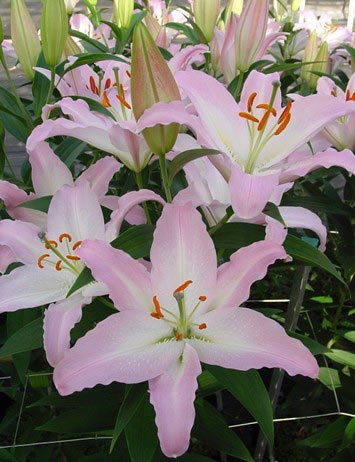
1. Selection of lily seedlings: Choose plump, robust seed bulbs. The circumference of seed bulbs in the Asiatic series must be 10-12 cm, and that of the Oriental series must be 12-14 cm. The larger the seed bulb, the more flower buds it produces.
2. Pay attention to soil preparation and fertilization. Lilies are highly adaptable and prefer a mild climate with plenty of sunlight. Deep, well-drained sandy loam soil is ideal, followed by clay soil. Waterlogged, low-lying land is not suitable for planting.
3. Proper pruning and planting help lilies grow more beautifully. Lilies can be propagated by seed sowing, scale cutting, and bulblet propagation.
4. Drain water when appropriate. Lilies need moist soil for cultivation, which benefits the growth of stems and leaves. If the soil is too wet, waterlogged, or drains poorly, the lily bulbs will rot and die. For potted lilies, watering should gradually increase as the plant grows. Water supply should be adequate during the flowering period, reduced after flowering, and stopped after the above-ground parts wither. Overly wet potting soil will likewise cause bulb rot.
5. Lily cultivation requires sufficient light. Lilies prefer soft, diffused light. They also tolerate strong light and partial shade. Insufficient light causes flower buds to drop and reduces the number of blooms. With adequate light, plants grow sturdy and compact, with vivid flowers.
6. Pest and disease control for lilies. The main pests and diseases of lilies include black spot, gray mold, and rust, which can be controlled by spraying a 500-fold dilution of 25% carbendazim wettable powder. Pests include white grubs and aphids, which can be killed by spraying a 1000-fold dilution of 50% dichlorvos emulsifiable concentrate.