-
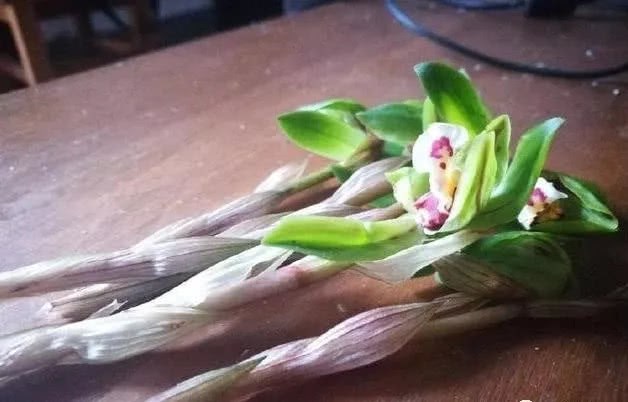
Spring orchid buds dry up as soon as they emerge? It's not too late if you do these things well
Autumn is the bud-forming period for spring orchids (Cymbidium goeringii), and orchid growers' interest shifts from admiring new shoots to looking forward to flower buds. Generally speaking, spring orchids in the Yangtze River basin form flower buds between the end of August and the end of September, and the buds mostly emerge from the soil in October. Some orchid growers, when talking with Haoshe Nongfu...
-

Don't throw away empty mineral water bottles - turn them into 2 kinds of things that are convenient and practical
In daily life, we often throw away mineral water bottles right after drinking the water. At best, we might keep them to hold something. In fact, empty mineral water bottles have many uses after being repurposed. Today, Xiaojingzhi...
-
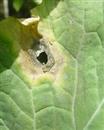
What three things should be noted in spring management of dryland rapeseed?
Sclerotinia rot of rapeseed is a major disease harming rapeseed, and its control must be taken seriously to reduce the damage and minimize losses. Symptoms: when the disease occurs, the lesions on rapeseed leaves are round or irregular, grayish brown or yellow-brown in the center, dark bluish in the middle, with a yellow halo on the outer edge. When dry, the lesions rupture and perforate; under humid conditions...
-

There are taboos in rapeseed cultivation; pay attention to these few things
Traditional rapeseed cultivation first requires raising seedlings in a seedbed, then plowing the main field, making beds, transplanting, and so on. The many steps, high labor demand, heavy labor intensity, and high cost restrict the expansion of rapeseed planting area and the improvement of economic returns. In recent years, other places and local areas are demonstrating and gradually promoting a new rapeseed cultivation technique...
-
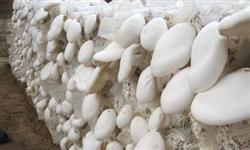
There are six things to avoid in mushroom cultivation; steer clear of them to grow better
1. Insufficient pre-wetting: The straw should be soaked thoroughly. Straw that has not been soaked enough requires a large amount of water replenishment when the pile is turned. If the water cannot be made up before the second turning of the pile, it will affect the growth of the mycelium. 2. Uneven turning of the pile: It should be turned according to the principle of "put raw material in the middle, put cooked material on both sides; put the middle at the two ends, and put the two ends in the middle"...
-

How to care for Madagascar periwinkle in summer? Do these few things to get it safely through the summer
Light: When growing Madagascar periwinkle in summer, be careful to avoid direct strong sunlight at midday, and let it receive plenty of light in the morning and evening when the light is relatively weaker. Watering: In summer, transpiration is high and its demand for water is also greater, so it should be watered once every one to two days, and the leaves should be misted frequently, but remember that the potting soil must not become waterlogged.
-
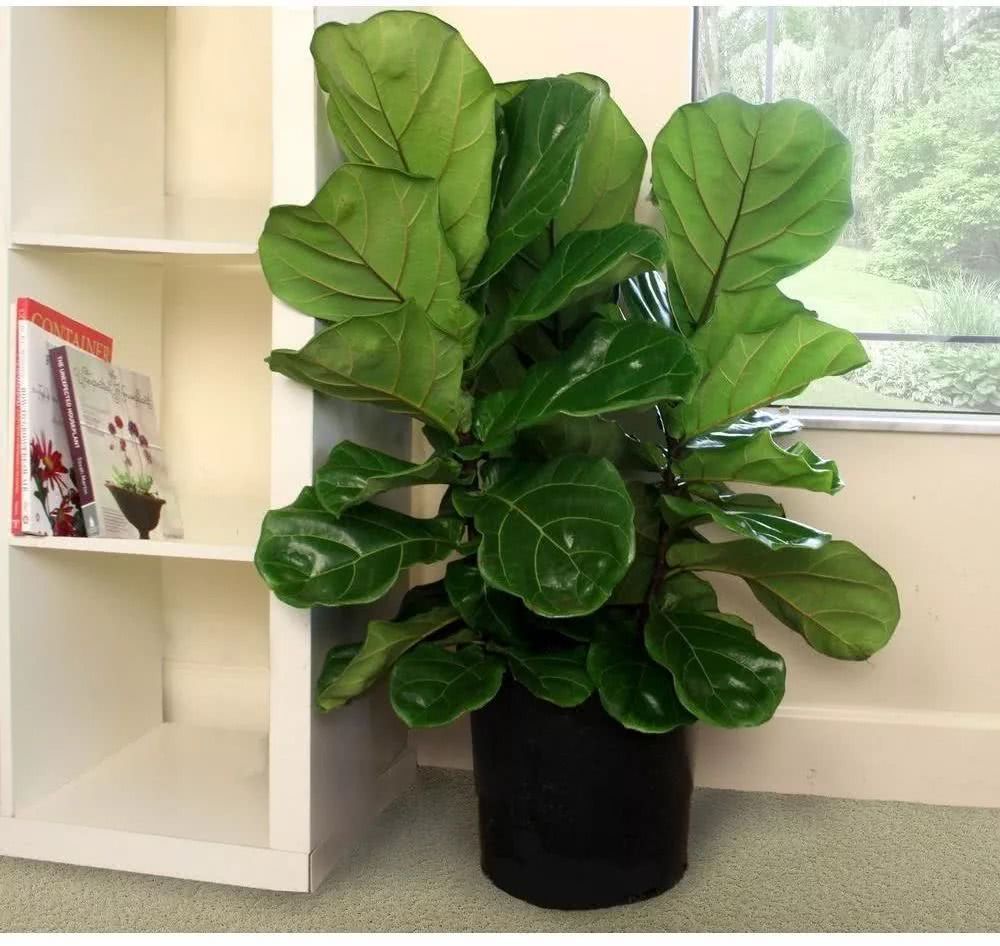
Potted fiddle-leaf fig leaves often develop black spots? It is most likely because these 5 things are not done well
The fiddle-leaf fig looks very refined, but during care, its leaves very easily develop black spots, because it is still rather particular about its environment. However, as long as you pay attention to the following five points, the fiddle-leaf fig can be grown very well...
-
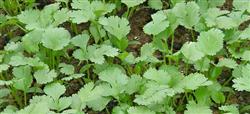
Cilantro Summer Planting Tips: Do These Things Well and It Will Grow Well
How can you grow cilantro well in summer? Please give guidance. To grow cilantro well in summer, you can refer to the following methods: 1. Variety selection: Choose varieties that are heat-tolerant, slow to bolt, and fast-growing, such as Beijing cilantro, North China Large Leaf, etc. 2. Land preparation and fertilization: Choose a plot with relatively fertile soil, good water and fertilizer retention, one that can be irrigated in drought and drained in waterlogging, with good permeability, and where cilantro has not been grown for more than 5 years; never practice continuous cropping. Apply 4000 kg of decomposed farmyard manure and 100 kg of cake fertilizer per 667 sq m (1 mu). The residues of the previous crop must be cleared away to reduce the occurrence of pests and diseases. Plow deeply and harrow finely, and make beds; the beds should preferably be 1-1.5 m wide and 8-10 m long.
-

Don't Be Afraid If Your Clivia's Flower Stalk Gets Stuck - Do These Things and the Flowers Will Bloom Firm and Upright with Glossy Green Leaves
Those of you who grow Clivia at home will inevitably run into the situation where the flower stalk gets stuck. Hearing this, many people get confused - what does "stuck stalk" mean? Let me explain it to everyone: a stuck stalk is when the Clivia blooms, but the flowers grow out from the narrow gap between the leaves.
-

Do these few things right for your Aglaia odorata (mock lime) and its tiny rice-grain flowers will fill the pot, letting you enjoy the fragrance every day for over half the year
Aglaia odorata (mock lime) is a fairly easy potted plant to grow. Its flowering period is quite long, blooming from April-May to December each year, and it only stops flowering when the weather turns cold. Keeping one at home, its flowers are quite fragrant, making it a favorite potted plant for many people. So how should you normally...
条件筛选