Spring orchid buds dry up as soon as they emerge? It's not too late if you do these things well
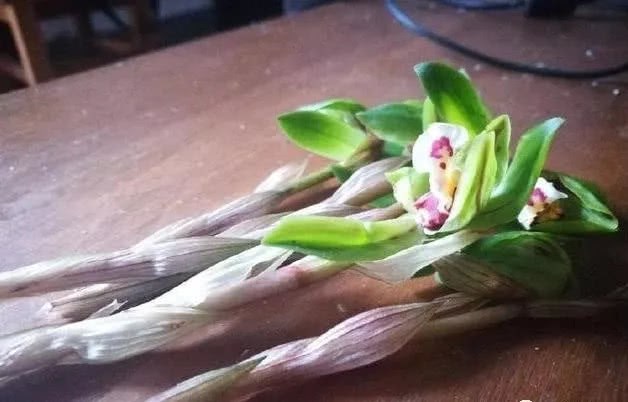
Autumn is the bud-forming period for spring orchids (Cymbidium goeringii), and orchid growers' interest shifts from admiring new shoots to looking forward to flower buds. Generally speaking, spring orchids in the Yangtze River basin form flower buds between the end of August and the end of September, and the buds mostly emerge from the soil in October. Some orchid growers, when talking with Haoshe Nongfu, said that spring orchids are not easy to bud, and even when buds appear, they wither before they can open. What exactly is the reason? Today Haoshe Nongfu will explore this together with everyone.
There are several conditions for spring orchids to form buds. First, the season is always autumn. Why do spring orchids like to form buds in autumn? Because the temperature difference in autumn is large, with high daytime temperatures and very cool nights. Taking Haoshe Nongfu's hometown as an example, the current day-night temperature difference can reach 15 degrees. Such a temperature difference is very beneficial to plant growth; the energy they accumulate during the day through leaf photosynthesis will not be consumed at night. Orchids need a large amount of nutrients to form buds, and plants under this kind of temperature difference can provide what they need.
Orchids also need phosphorus and potassium fertilizer to form buds. If the plant has been fertilized with a bias toward nitrogen and lacks phosphorus and potassium fertilizer, such an orchid plant will not bloom, and too much nitrogen fertilizer will cause the leaves to grow excessively. So Haoshe Nongfu suggests that orchid growers pay attention to increasing the proportion of phosphorus and potassium fertilizer when fertilizing orchids in autumn. Orchids also need controlled moisture to form buds: "water grows shoots, dryness promotes buds." If humidity is not controlled, the orchid will continuously produce new leaf shoots, and new leaf shoots will compete with flower buds for nutrients.
After spring orchid buds emerge from the soil, growers often encounter bud abortion, that is, the buds wither or rot. What causes this? Haoshe Nongfu has reviewed some cases of bud abortion and found that they all share several points in common:
1. Being too protective of the orchid: as soon as the outdoor temperature drops, it is moved back indoors immediately. The orchid does not have enough temperature difference to accumulate energy, so the buds cannot grow normally.
2. Keeping it too shaded, for fear of sunburning the orchid. In fact, orchids are plants that very much need sunlight. Apart from the midday sun in summer, sunlight generally will not sunburn orchids. An orchid lacking light will look listless, which is also not conducive to bud growth, and even buds that have emerged will rot.
3. A common problem for northern growers: because temperatures after autumn in the north are generally very low, it is unrealistic to keep orchids outdoors, and homes all have heating, so this kind of environment very easily causes bud abortion.
For autumn care of spring orchid buds, it is best to do these things: give more sun, keep them outdoors more (except below zero degrees), water less, and keep them away from heating.