-

-
-
Things to watch out for in soilless flower cultivation: learn to recognize the signs of nutrient deficiency
When flowers lack nutrients, they will tell you, so you need to learn to "read their expressions and observe their mood"
-
After the clivia blooms, the seeds can be collected and sown; things to know about introducing edible fungi
After the clivia blooms, the seeds can be collected and sown
-
Things to Note When Using a Humidity Tray for Orchid Growing and Fertilizing Methods for Edible Fungi
Things to Note When Using a Humidity Tray for Orchid Growing
-
Things to Know About Introducing Edible Mushrooms and Key Points for Winter Pest Control
Edible Mushrooms Also Need Pest Control in Winter
-
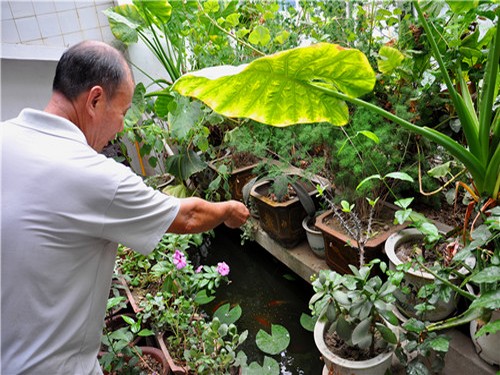
How to grow potted Chinese trumpet creeper (Campsis grandiflora) and things to note
Chinese trumpet creeper likes sunny spots but can also grow in shady environments. It likes a warm, humid climate and has low soil requirements: fertile, moist and well-drained soil is enough. Chinese trumpet creeper is drought-tolerant and waterlogging-tolerant, and can also tolerate saline-alkaline soil; its sprouting and reproductive ability is strong. Chinese trumpet creeper is a climbing plant.
-
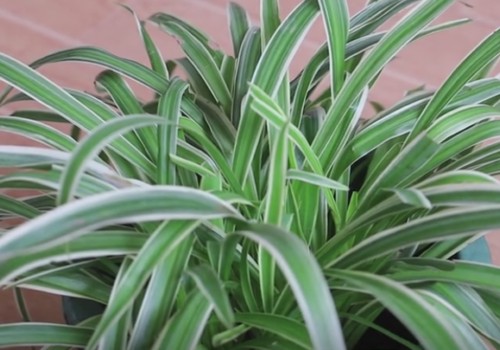
How do you grow spider plants so they send out more runners? Doing these few things well is key
As a top pick among potted green plants, the spider plant is famous for being very easy to keep alive. It is also very suitable as an indoor foliage plant, and it can grow many little spider plants, which is very endearing. But quite a few flower lovers say that their potted spider plants send out runners rather slowly, and for a long time they do not grow little spider plants. So
-
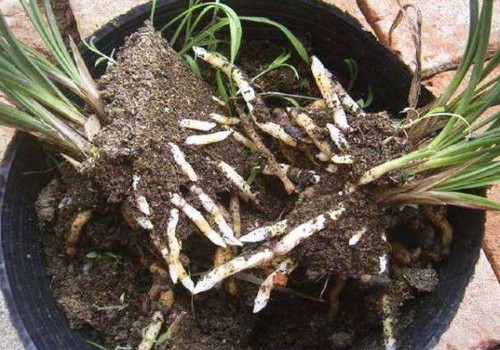
How to prevent root rot in orchids? Doing these few things well is key
Orchid stems and leaves are slender yet strong, and because they can stay evergreen through all four seasons, they are extremely beautiful and therefore highly favored by people. Although orchid roots usually grow rather thick and plump, they are, after all, fleshy roots, so they are relatively prone to rotting or being attacked by pests and diseases. Today
-
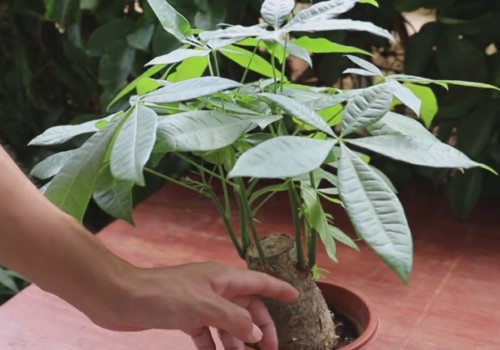
How to prevent root rot in money trees? Doing these few things well is key
The biggest fear when growing a money tree is root rot, because after root rot the plant shows many poor growth symptoms such as yellowing branches and leaves and leaf drop. So how can we ensure a potted money tree goes years without root rot, while also growing thick, sturdy roots and very plump, green leaves that easily fill the pot? Actually
条件筛选