A detailed explanation of the lychee growth process, from flowering to fruiting
The market demand for lychee in our country is very large. Lychee is rich in nutrients and has a very high sugar content, and it is welcomed by many people. Nowadays, many people in our country grow lychee. When growing lychee, we need to understand the growth process of lychee well and adjust management methods according to the growth stages of lychee. So what is the growth process of lychee? Let's take a look together with the editor below!
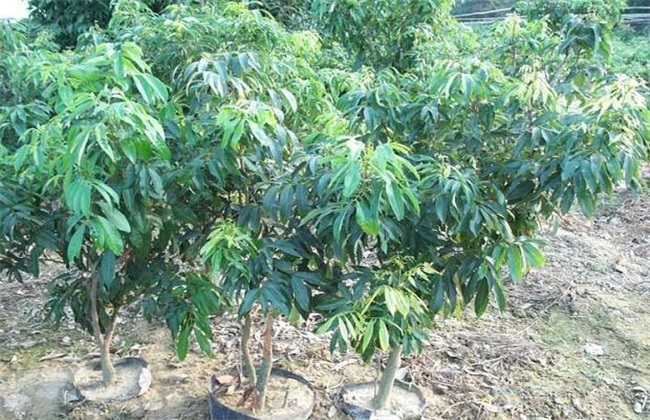
1. The young tree stage of lychee
There are many growth stages of lychee. According to the growth years of lychee, the first is the young tree stage of the lychee tree. The young stage of lychee is generally about 4-5 years after the seedlings are planted. During the young tree stage of lychee, the lychee tree is mainly dominated by vegetative growth. During this period, the lychee tree sends out a large number of branches and shoots, expanding the crown, and preparing for later flowering and fruiting. During this period, we need to do a good job in pruning to cultivate a good tree shape for the lychee tree and enhance tree vigor. Generally, it will not flower or fruit.
2. The adult stage of the lychee tree
The adult stage of the lychee tree mainly begins to shift from vegetative growth to reproductive growth and enters the flowering and fruiting stage. The growth years of the lychee tree are very long. Even if it has grown for dozens or even hundreds of years, it can still flower and fruit normally. Within 5-10 years after planting, the lychee tree is mainly changing its growth direction and gradually shifting to reproductive growth. However, it will still be mainly dominated by the vegetative growth of new shoots and the crown. At this time, we need to control the vegetative growth of the tree body well, improve the accumulation of photosynthetic substances, accelerate the transformation speed from nutrients to reproductive growth, and advance the fruiting time.
Then, after the lychee tree enters the appropriate fruiting tree age, generally starting 8 years after planting, there is usually an appropriate fruiting period of about 17 years. During this period, the crown of the lychee tree has basically taken shape and it can also flower and fruit normally, beginning to trend toward high yield. Then, after passing through the appropriate fruiting period, the lychee tree will enter the full fruiting period. For lychee in the full fruiting period, the expansion speed of the root system and crown decreases significantly. However, the natural flowering rate is relatively high, and it is easy to obtain high yield. If management is improper, the annual yield will be greatly affected, and alternate bearing is likely to occur.
3. The aging stage of the lychee tree
After the lychee tree passes through the high-yield fruiting period, it will gradually enter the aging stage of the tree body. When a lychee tree enters the aging stage, the growth capacity of the root crown and root system will be significantly weakened and begin to shrink naturally. Phenomena such as exposed root groups and injured or dead roots appear, and basically few new roots are produced. The growth capacity of various organs will gradually decline. Although it can still flower and fruit normally, the yield and quality will decrease significantly.
The above is a brief introduction to the growth process of lychee. That is all for today's introduction. This article is for reference only, and I hope it can help everyone!