-

Ganoderma lucidum cultivation methods and timing: environmental temperature and humidity are key
Abstract The cultivation methods of Ganoderma lucidum mainly include the bag cultivation method and the log cultivation method. Bag cultivation method: in the south, inoculation can be done from February to March or from late August to early September each year; in the north, inoculation can be done from March to April. Log cultivation method: the inoculation time is generally from early December each year to late January of the following year.
-
When to sow bitter lettuce? Planting techniques and suitable temperature and humidity
Summary Season: In the south it can be cultivated in all four seasons, and planting from September to November is best. Seedling raising: In summer, sow after low-temperature germination promotion; in winter, use seedbed seedling raising. Seeds: The suitable germination temperature is 15-20°C. Sprouting: Keep the soil moist, avoid too dry or too wet; after the cotyledons unfold, appropriately
-
Gosling Rearing Methods, Temperature and Humidity Requirements, and Precautions
Abstract: 24-26 hours after the goslings hatch, let them drink first before feeding. For newly hatched goslings aged 1-3 days, the indoor temperature should be maintained at 32-34°C; for goslings aged 4-7 days, the indoor temperature should be maintained at 30-32°C; thereafter, lower it by 2-3°C every 7 days. Goslings grow suitably in environmental conditions with a humidity of around 60-65%
-
Scorpion Farming Methods and Technical Points for Summer
Temperature and humidity are both major ecological factors in scorpion farming, but in production practice the coordination between them is even more important. If the relationship between temperature and humidity is not well coordinated, low temperature and low humidity, low temperature and high humidity, high temperature and high humidity, and high temperature and low humidity will often occur, all of which are unfavorable for
-
Four major points of greenhouse watermelon cultivation techniques: air, temperature, soil and air humidity
Watermelon, listed by netizens as one of the "three treasures of summer," shows just how much people love it. Sitting under the air conditioner in summer, playing on a phone and eating iced watermelon is simply too enjoyable for words. Watermelon tastes sweet, comes in many varieties, and has plenty of flesh, with two colors of flesh, red and yellow, the latter having an even finer texture.
-
Latest Methods for Temperature and Humidity Management in Greenhouse Strawberries
Strawberry is a fruit we are all fairly familiar with, and it has a certain market in our country. Nowadays, strawberries are mostly grown in greenhouses, because greenhouse cultivation allows for effective regulation of temperature, humidity and other environmental conditions. This creates a good growing environment for strawberries,
-
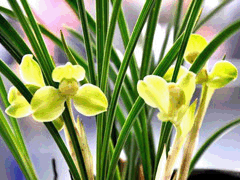
Yifeng: A Preliminary Study on the Relationship Between the Sprouting Rate of Cymbidium goeringii and Temperature and Humidity
Yifeng: A Preliminary Study on the Relationship Between the Sprouting Rate of Cymbidium goeringii and Temperature and Humidity
-
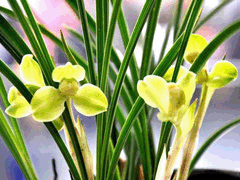
Analysis of the Effects of Temperature and Humidity in Cold Orchid (Cymbidium kanran) Care
The Effects of Temperature and Humidity on Cold Orchid
-

Water management methods for orchids during periods of high temperature and high humidity
Water management for orchids during periods of high temperature and high humidity
-
How to Equip an Orchid Greenhouse with Temperature and Humidity Control Facilities
Equipment for Regulating Temperature and Humidity in an Orchid Greenhouse
条件筛选