-
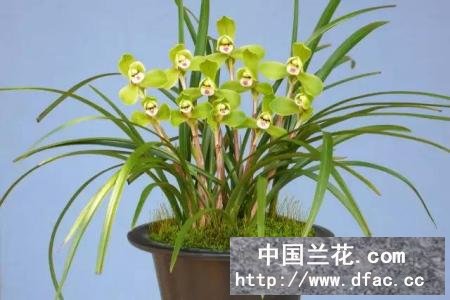
How to do water control for orchids well? Detailed explanation of key technical points
In orchid growing, watering is key. As the saying goes, "watering takes three years of skill." If you grow orchids and water without using your brain and without exploring, then even in thirty years you will not achieve what others achieve in three...
-

-
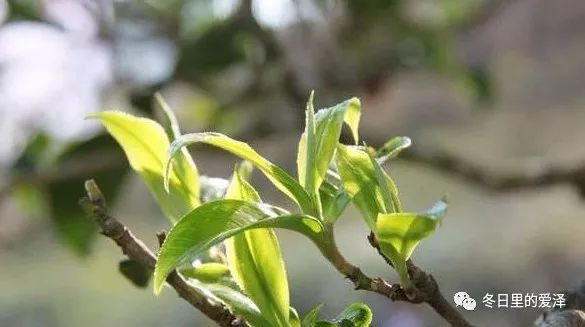
How to implement green pest and disease control in tea gardens? Technical plan for Xishuangbanna Prefecture
Green pest and disease control technology for tea gardens in Xishuangbanna Prefecture. Nowadays, no matter what crop is planted, people emphasize green health, safety and pollution-free production, etc. Today we will talk about green pest and disease control technology for tea in Xishuangbanna Prefecture, and let us look at green...
-
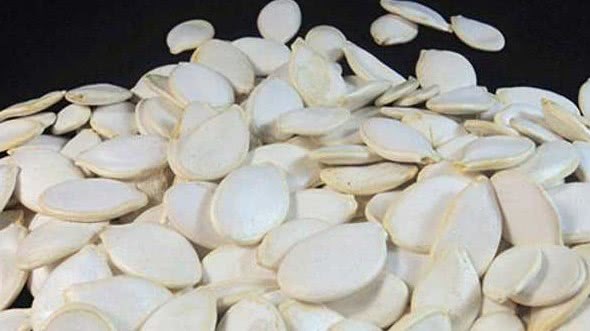
Key Technical Points for Standardized Cultivation of White Pumpkin Seeds
White pumpkin seeds are the seeds of seed pumpkins, rich in protein and fat, with high nutritional value, and are mostly processed into shelled seeds or cooking oil. White pumpkin seeds are cultivated in various parts of China, but the quality varies greatly. In order to increase the planting area of white pumpkin seeds...
-
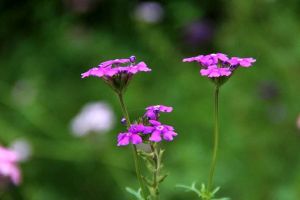
Pest and Disease Control Methods and Technical Key Points for Verbena tenuisecta
Verbena tenuisecta is a flower very much loved by gardening friends. Today I want to introduce to everyone how to handle it when it gets sick. First, you need to identify what disease it has. If it is leaf spot disease, cut off the diseased leaves, spray with medication, and increase the application of P and K fertilizers; if it is gray mold, cut off the diseased flowers together with their leaves and destroy them, then spray with medication; if it is black-legged thrips, you can directly spray with medication to kill them.
-
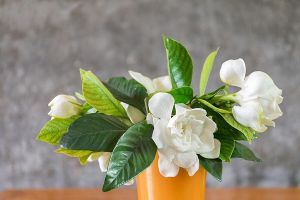
Gardenia Flowering Period Management Methods and Technical Key Points
When the gardenia is in bloom, the whole plant gives a gentle and elegant impression, but if it is not managed properly during the flowering period, it will affect its ornamental value. So what should be done? First is water: it is quite fond of water, and during the flowering period it must not be allowed to lack water, but it also must not be too wet. When watering, be careful not to let water splash onto the flowers. Next is nutrients: once it develops flower buds, it needs supplemental P and K elements, but after flowering, all application of flower fertilizer should be stopped. Finally is sunlight: during flowering, it must be given sufficient light, but at noon it should be shaded.
-
How to cultivate orchids? These technical key points must be mastered
1. Select an orchid-specific pot of appropriate size with breathable round holes. 2. Disinfect the selected pot, the prepared growing medium, and the orchid plants with carbendazim or thiophanate-methyl. 3. Cover the drainage hole at the bottom of the pot with a piece of tile (broken and overlapped) or a special plastic mesh or aluminum mesh. Then use bricks, tiles, or shells to gradually...
-
Monthly Work Technical Guide for Orchid Cultivation
Shen Yuanru's "Orchids" Part 27: Monthly Work for Orchid Cultivation - January. Based on frost and snow conditions in past years, this month marks the last frost and first snow. As strong cold waves continue to invade, this is the coldest period of outdoor temperatures in the year. In the Jiangnan region, except for a very few years when temperatures drop below minus 10°C, the monthly average temperature is mostly around 4°C...
-
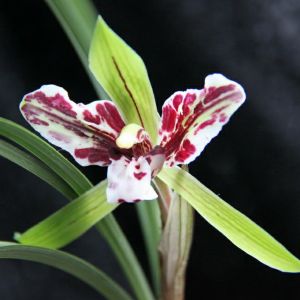
Crop Root Care Methods and Technical Key Points
Hua Hudie is a new flower, a ruidie (staminal-petal butterfly) type that people rather like. But from my observation: many novices like it, while few experienced orchid growers do. Why? Because novices look at the showiness, and Hua Hudie is quite brightly colored, just as people around the world tend to prefer Cymbidium and Phalaenopsis orchids. Experienced growers, however, feel that Hua Hudie has a low degree of butterfly transformation, heavy green moss,...
-
Cultivation and Management Methods and Technical Key Points for Cymbidium tortisepalum
1. Pot selection The traditional cultivation of Cymbidium tortisepalum in the western Yunnan area usually uses a black waist-drum-shaped clay pot. The pot height is 35-45cm, the waist diameter is 30-35cm, and the pot opening is slightly smaller. This kind of pot has a thin texture and good water seepage and air permeability. Cymbidium tortisepalum plants are tall, and their root systems are especially well developed and thick. The root length of well-grown plants can reach 35-40...
条件筛选