Gardenia Flowering Period Management Methods and Technical Key Points
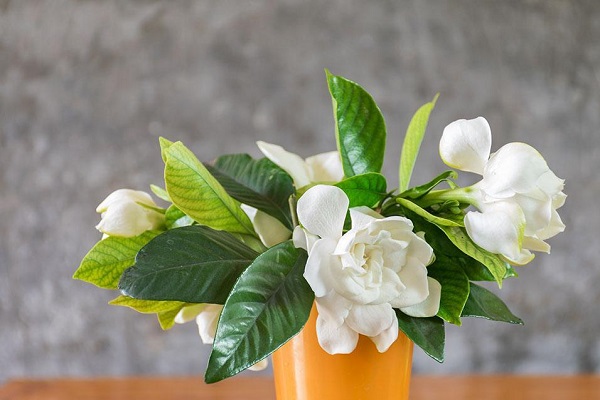
1. Sufficient water
This plant itself likes moist soil and air. This is also true during its flowering period. Its flowering period is from May to July. During this time, the soil moisture should be maintained, but it must not be too moist, and even less should it be kept in a relatively dry state for a long time. Watering should be done according to the specific conditions in the pot. If the soil has already dried out, then it can be watered; if it has not dried out, then there is no need to water. In addition, when watering, be careful not to let water splash onto the flowers, otherwise it will cause them to wither prematurely. Every day, spray some water around the plant to increase the humidity of the environment. Before watering, it is best to first leave the water in the sun for a while.
2. Sufficient nutrients
When the plant develops flower buds, add 1 to 2 applications of potassium dihydrogen phosphate aqueous solution. This can make the flowers larger and can also increase their fragrance. But after the flowers have already opened, or when the temperature rises to 35 degrees, fertilization must be stopped, otherwise it will cause the flowers to wither prematurely. Do not think that flowering consumes a large amount of nutrients and therefore add fertilizer recklessly. This practice is very wrong and will cause undesirable conditions such as excessive vegetative growth and bud drop.
3. Sufficient sunlight
This flower inherently likes light. If it is placed in a place without light for a long time, it will seriously affect flowering. And during the flowering period, there must be even more abundant sunlight. However, the overly intense sunlight around noon should still be properly shaded. If conditions do not allow it, then at least ensure that it is placed in sunlight for 60% of the time each day.