-

How to propagate Dutch aster (Aster novi-belgii) from seed? Key technical points explained in detail
Dutch aster is suitable for indoor ornamental pot cultivation and for arranging flower beds, flower borders, and more. It is even more suitable as a filler flower for flower baskets and cut flower arrangements. If lilies are used as the main material, paired with Dutch aster, kalanchoe, spring feather (Thaumatophyllum bipinnatifidum), and asparagus fern, the composition is very light and lively, and placed on a coffee table or desk, it looks especially fresh and pleasing. If multicolored Dutch aster is used as the main flower for vase arrangements
-
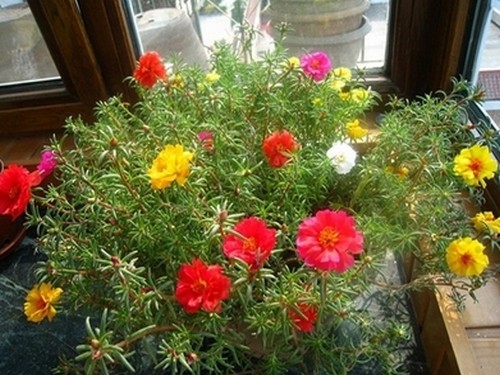
Portulaca grandiflora Propagation and Seedling Methods and Key Technical Points
Portulaca grandiflora is mostly propagated by sowing and cuttings. Sowing is usually done in April, the suitable temperature for seed germination is 21-22°C, seedlings emerge in about 7-10 days, the seedlings grow slowly at first, growth speeds up after entering June, and generally they bloom just over two months after sowing. Cuttings can be taken throughout the growing season
-
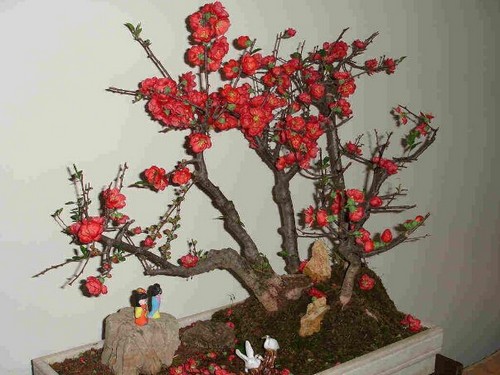
How to prune a Chaenomeles speciosa (flowering quince) bonsai? Detailed technical points
Chaenomeles speciosa has a strong tree vigor, strong sprouting ability, a tree shape that easily becomes disordered, and tolerates pruning. Its flower buds belong to the summer-autumn differentiation type, with July to August being the concentrated flower bud differentiation period. On well-grown two-year-old branches, the axillary buds in the middle and lower parts of the spring shoot often differentiate into flower buds, blooming the following spring and forming flowering spurs.
-
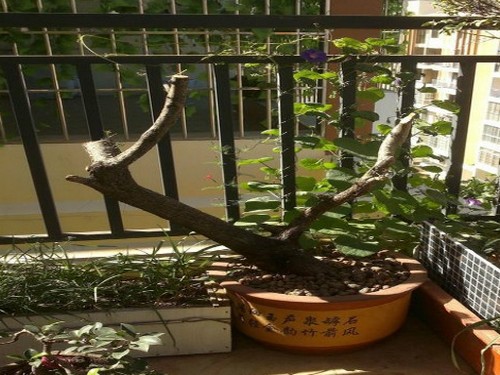
Seed Propagation Methods and Technical Key Points for Black Locust
Black locust is a tree species with relatively strong vitality and reproductive capacity. It can not only be used for landscaping and ornamental purposes and for purifying urban air, but can also be used for afforestation to protect the ecological environment. It is a tree species with relatively high cultivation value. Although black locust has a certain drought resistance, it is not tolerant of waterlogging
-
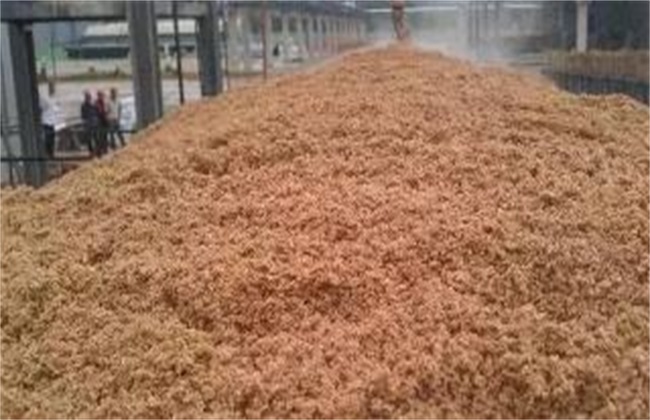
Key Technical Points and Detailed Methods for Feeding Pigs with Distiller's Grains
Techniques for Feeding Pigs with Distiller's Grains
-
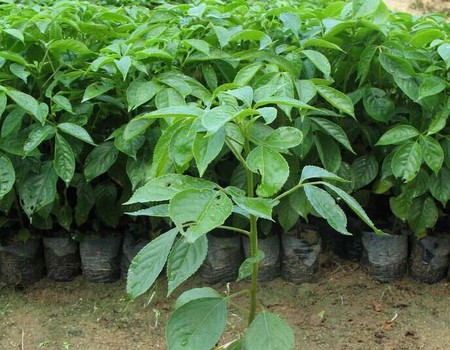
Flamboyant Tree Seed Propagation Methods and Key Technical Points Explained
Flamboyant tree, also known as flamboyant flower and fire tree, belongs to the Fabaceae family, genus Delonix. As an excellent garden ornamental tree and street tree species, the flamboyant tree is widely planted in southern regions. Its branches are elegant and leaves beautiful, with clusters of red flowers that are brilliant and eye-catching, making it beloved by landscaping departments everywhere. For this reason, we conducted observations on the growth patterns of the flamboyant tree
-
How to shape a ginkgo bonsai? Detailed explanation of the technical key points
The ginkgo tree is a precious ornamental tree species, not only widely used in landscaping, but also quite beautiful when made into a bonsai. Pruning is the main technique for shaping a ginkgo bonsai. According to different appreciation requirements, methods such as thinning, heading back, and renewal pruning should be used
-
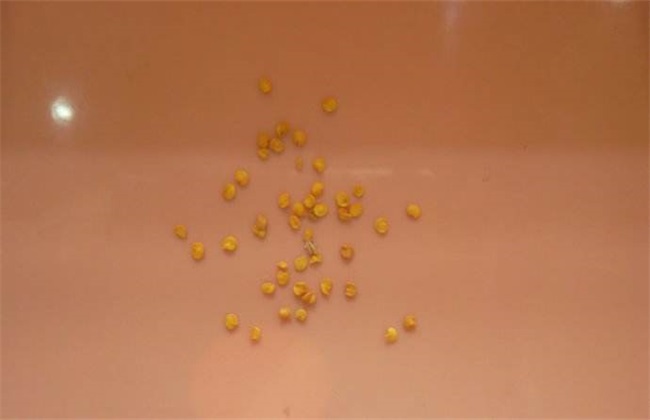
Cultivation methods and key technical points for facing heaven chili
Cultivation methods for facing heaven chili
-
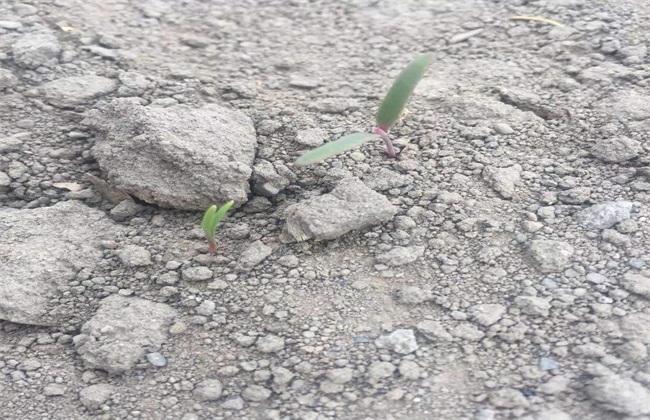
What are the propagation methods for quinoa? A clear explanation of the key technical points in one article
Propagation methods for quinoa
-
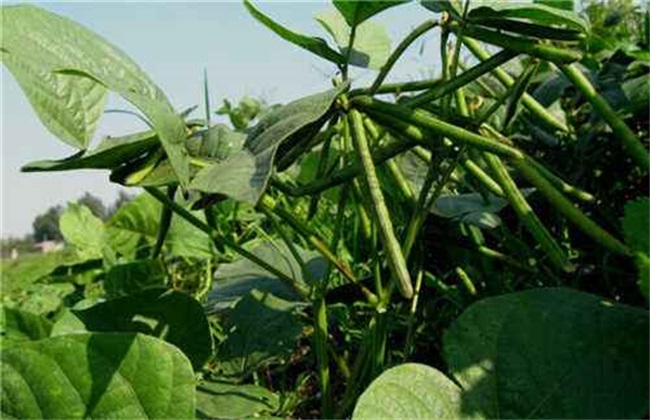
Key Technical Points for Direct-Seeding Mung Bean Cultivation in Summer
Summer Direct-Seeding Techniques for Mung Bean
条件筛选