-
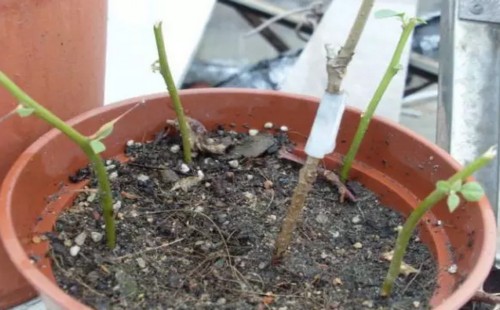
What should be noted when taking cuttings of Bougainvillea?
Potted Bougainvillea has high ornamental value, especially during the flowering period, and to obtain high-quality potted plants, we generally use cuttings to propagate young plants. Although the cutting method and process for Bougainvillea are relatively simple, there are still some precautions that need our attention.
-
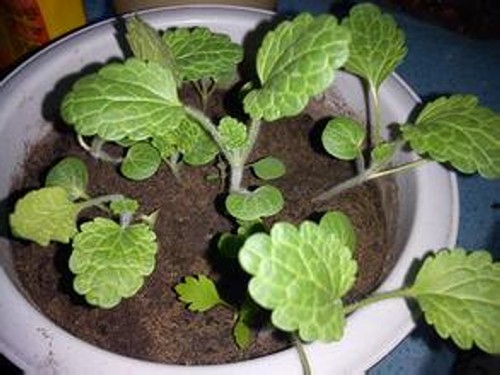
A detailed guide to growing Moluccella laevis, taking you step by step from sowing to care
Moluccella laevis, also known as shellflower or bells of Ireland, is an annual or biennial herbaceous plant in the genus Moluccella of the Lamiaceae family. It is native to western Asia. The plant grows 35100cm tall, with four-angled stems that do not branch. The leaves are opposite, heart-shaped to round, with sparsely toothed margins; the petioles are nearly as long as the leaves. The flowers are white with a lipped corolla; the nutlets are smooth
-

A detailed explanation of dental implant knowledge, taking you to truly understand it
Dental implants are a means of restoring missing teeth. With the development of modern dental technology, more and more people are having dental implant surgery, and many people believe...
-

How to prevent and control freeze damage in tea plants? Taking active measures is key
Freeze damage is a major weather-related disaster affecting tea plants. After tea plants suffer freeze damage, it can range from affecting tea yield and quality in mild cases to causing severe leaf drop or even the death of the entire plant in severe cases. Freeze damage to tea plants can be divided by growth season into overwintering-period freeze damage and sprouting-period freeze damage, with the latter having the greatest impact on the yield and quality of that year's spring tea. Overwintering-period freeze damage prevention: during the growing season, strengthen fertilizer and cultivation management, pay attention to pest and disease prevention, implement a combination of harvesting and nurturing, and promote vigorous growth of tea plants so as to accumulate more organic matter and improve resistance to low temperatures. Autumn and winter
-
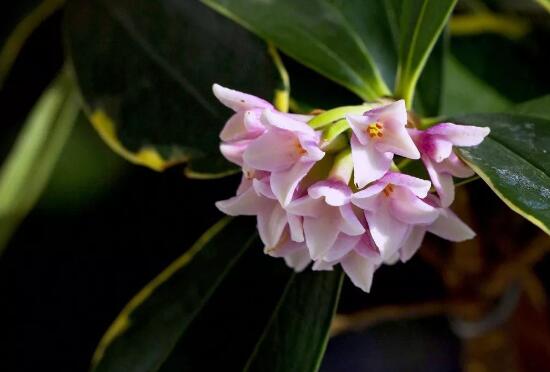
How to propagate winter daphne? The method for rooting cuttings in 40 days by taking cuttings around Qingming
The benefits of winter daphne, as gardeners who have grown it should know, are that it not only has beautiful flowers, but also gives off a captivating fragrance, and can even be used as medicine to treat various illnesses. Such a plant is naturally propagated in large numbers, so how do you propagate winter daphne? The joy of growing flowers lies in doing it yourself.
-
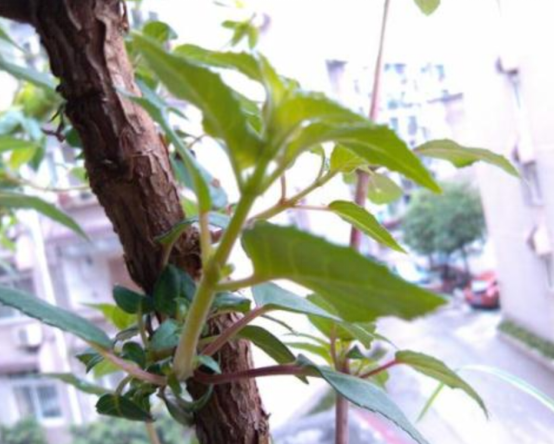
Detailed steps for taking fuchsia cuttings, even beginners can learn
1. Cutting time. Fuchsia has extremely strong survival ability and can be propagated from cuttings in all four seasons, but spring is best, because spring is the season of the most vigorous growth for fuchsia, and the temperature is neither cold nor hot, so the survival rate from cuttings is also the highest. Winter is the least suitable time for cuttings, and failure is very easy.
-
Crabapple bonsai pictures to admire, multiple styles are simply breathtaking
Chinese name: Crabapple bonsai Genus: Rosaceae Malus / Chaenomeles. Crabapple flowers are a material for making bonsai. Crabapple is the general and common name for various plants of the genus Malus and several plants of the genus Chaenomeles. The representative plants, crabapple flower and Chaenomeles sinensis (Chinese quince), are both shrubs or small trees of the Rosaceae family, and are famous ornamental tree species in China, commonly cultivated in various places.
条件筛选