How to propagate winter daphne? The method for rooting cuttings in 40 days by taking cuttings around Qingming
The benefits of winter daphne, as gardeners who have grown it should know, are that it not only has beautiful flowers, but also gives off a captivating fragrance, and can even be used as medicine to treat various illnesses. Such a plant is naturally propagated in large numbers, so how do you propagate winter daphne? The joy of growing flowers lies in doing it yourself. Below, the editor will introduce a propagation method for winter daphne. Let's take a look together!
I. How to propagate winter daphne: cuttings
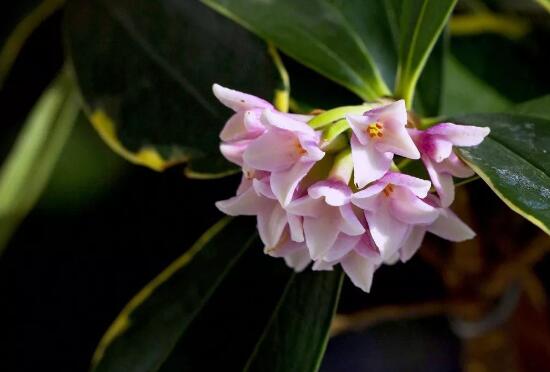
When it comes to propagating winter daphne, there are many methods: sowing, layering, grafting, and cuttings are all possible, but the first three have high propagation requirements and slower results, so they are not suitable for widespread use. Gardeners mostly use cuttings. Cuttings means selecting a section of winter daphne branch as a cutting, inserting it into a cutting bed, and once it grows to a certain height it can be divided and planted into pots.
II. The cutting method for winter daphne
1. Cutting time
To achieve a high survival rate after cutting winter daphne, you must first choose a good time. According to the growth habits of winter daphne, it is suitable to do this around Qingming and before Lixia, and it can also be done in autumn. The specific time can be chosen on a bright sunny day.
2. Cutting selection
In the cutting method for winter daphne, the selection of cuttings is especially important. If taking cuttings from April to June, you should select vigorous top young shoots of the current year from potted winter daphne as cuttings; if taking cuttings from July to September, you should use robust semi-lignified branches of the current year as cuttings.
Cutting treatment: cuttings are generally 5-7 cm long. The lower leaves should be removed, and the top should preferably retain 2-3 leaves. After selecting the cuttings, tie them into bundles and soak them in a 50-100 mg/L NAA solution for one day.
3. Cutting substrate
For the winter daphne cutting bed, it is best to use loose, well-drained acidic sandy mountain soil or burned soil.
4. Starting the cuttings
Once the above preparatory work is done, the winter daphne cutting method can officially begin. Insert the treated cuttings into the prepared substrate to a depth of 1/2 to 1/3 of their total length.
5. Care after cutting
After cutting winter daphne, water appropriately, keeping the substrate moisture content at around 20%, and move it to a place with more than 70% shade. Keep the cutting bed temperature at 25-30°C. After doing this, roots will form in about 40 days, and afterward apply diluted liquid fertilizer once every 10-15 days. When the seedlings reach 10-15 cm in height, they can be divided and planted into pots, and then cared for normally according to winter daphne cultivation methods.
Overall, cutting winter daphne is not difficult, but during transplanting everyone should pay attention to two points: first, if transplanting in summer, it should be done in the early morning or evening or in cool weather; second, the seedlings should carry more native soil, and the branches should be pruned, with appropriate shading, to make survival easier. That is all the editor has to introduce about winter daphne propagation methods. We hope it will be helpful to everyone.
Winter daphne Daphne odora Thunb. Winter daphne illustrated guide: how to grow winter daphne / how to propagate winter daphne
Winter daphne profileWinter daphne Daphne odora Thunb.
Cultivation methods and precautions for winter daphne Introduction to winter daphne
Winter daphne was called Lujia in ancient times, and is also known as Shuixiang, Penglaizi, Fengliushu, Mao Ruixiang, Qianlixiang, and Shanmenghua. It is an evergreen small shrub plant in the Thymelaeaceae family, genus Daphne. It is native to the area south of the Yangtze River basin in China and Japan. It has medicinal value. Winter daphne is native to China and Japan and is a traditional famous flower of China. Winter daphne blooms in early spring and has a rich fragrance. Its variety Jinbian Ruixiang is an excellent among winter daphne, hence the saying, "For peonies, national beauty and heavenly fragrance; for winter daphne, golden-edged is best."
The winter daphne plant is 1.5-2 m tall, with slender, smooth, hairless branches. Leaves are simple and alternate, the crown is nearly spherical, and the leaves are long elliptical, 5-8 cm long, entire, deep green and glossy. Dark green, thick, and shiny. Flowers are clustered at the branch tips; the capitulum has a peduncle, the perianth is tubular, split into four at the upper end, flower diameter 1.5 cm, white, or purple or yellow, with a strong fragrance, earning names such as "flower fragrance thief" and "flower thief." If placed together with other flowers, the other flowers seem to lose their fragrance.
The flowering period of winter daphne is February to March.
Morphological characteristics of winter daphne
Winter daphne is an evergreen upright shrub; branches are thick and strong, usually dichotomously branched, branchlets nearly cylindrical, purplish red or purplish brown, hairless. Leaves alternate, papery, oblong or obovate-elliptic, 7-13 cm long, 2.5-5 cm wide, apex obtuse-acute, base cuneate, margin entire, green above, pale green below, hairless on both sides, lateral veins 7-13 pairs, clearly raised on both sides along with the midrib; petiole thick and strong, 4-10 mm long, sparsely covered with very few fine hairs or hairless.
The outside of the winter daphne flower is pale purplish red, the inside is flesh-red, hairless; several to 12 flowers form a terminal capitulum; bracts lanceolate or ovate-lanceolate, 5-8 mm long, 2-3 mm wide, hairless, veins conspicuously raised; calyx tube tubular, 6-10 mm long, hairless, lobes 4, cordate-ovate or ovate-lanceolate, base cordate, equal to or longer than the calyx tube; stamens 8, in 2 whorls, the lower whorl stamens inserted above the middle of the calyx tube, the upper whorl stamens have anthers 1/2 protruding from the throat of the calyx tube, filaments 0.7 mm long, anthers oblong, 2 mm long; ovary oblong, hairless, apex obtuse, style short, stigma capitate. Fruit red.
The flowering period of winter daphne is March to May, and the fruiting period is July to August.
Ecological habits of winter daphne
Winter daphne prefers semi-shade and ventilated environments, fears exposure to strong sun, and is not tolerant of prolonged drought. It likes fertile, moist, well-drained slightly acidic loam, has strong sprouting ability, and tolerates pruning.
Winter daphne likes warmth, loves ventilation, needs half-dry and half-moist conditions, and avoids too much water; it likes neutral to acidic soil, loves loose loam, should be planted in shallow soil, and avoids deep planting; it likes scattered light, loves long light exposure, needs half-shade and half-sun, and avoids strong light; it likes nitrogen, phosphorus, and potassium, loves base fertilizer, needs light fertilizer applied frequently, and avoids fertilizer touching the flowers. For potted winter daphne, the potting soil should preferably be fertile, loose, humus-rich acidic leaf mold, mixed with an appropriate amount of river sand and decomposed cake fertilizer.
The roots of winter daphne are fleshy, so in usual care and management special attention must be paid to controlling watering. If watered too much and the potting soil remains wet for a long time, root rot is likely. After rain, any accumulated water in the pot must be poured out promptly.
Although winter daphne likes semi-shade, in winter and spring it should be placed in an environment with sunlight. During the growing period, if light is sufficient and fertilizer effects are suitable, the branches can be plump and the leaves dark, with bright flowers and strong fragrance. In summer it should be placed in a cool, well-ventilated place, and during hot weather water should be sprayed to lower the temperature. Winter daphne prefers fertilizer, so during the growing season apply dilute liquid fertilizer about once every 10 days. Before and after flowering, apply a thin cake fertilizer solution once each. After Frost's Descent, move it indoors to a sunny place, keep the room temperature at around 5°C, and control watering; keep the potting soil moisture content at around 45% so it can overwinter safely.
In addition, winter daphne branches grow in clusters and have strong sprouting ability and tolerate pruning, so pruning must be done after flowering.
Cultivation techniques for winter daphne: key cultivation points
Planting
In the south, winter daphne can be planted in the ground in spring and autumn. Generally, mixed planting with deciduous shrubs can protect it from direct sunlight in summer while allowing it to receive sufficient sunlight in winter. When planting, compost or barnyard manure can be applied in the hole as base fertilizer, but not too much. The pot should also be changed once every 2-3 years; repotting can be done indoors in March. The potting soil should be slightly acidic, and hoof pieces should be placed at the bottom of the pot as base fertilizer.
Fertilizing
During growth, 1-2 topdressings can be applied. In winter, fertilizer can be applied in trenches around the plant; do not apply human excrement or urine.
Watering
Water according to the principle of watering when dry and stopping when wet; in summer, also spray water on the leaves to lower the temperature.
Temperature and light
For potted winter daphne, summer care is especially critical. The flowerpot should be placed in a cool, well-ventilated place, protected from rain, direct sunlight, and hot wind. Winter daphne is not cold-tolerant, so before winter it must be moved indoors and placed in a sunny spot, with room temperature kept above 8°C.
Shaping and pruning
Winter daphne has strong sprouting ability and tolerates pruning. In summer, be sure to prune away leggy branches and leaves.
Bonsai making
Material selection and cultivation measures
[Artificial propagation]: Winter daphne is mostly propagated by cuttings and layering, and can also be propagated by water cuttings, division, and sowing. Cuttings can be taken in all four seasons, but early March to late June is the best time for cuttings. For spring cuttings, select one-year-old thick branches as cuttings, about 5-10 cm long. One day before cutting the branches, a sharp knife can be used to make a ring cut about 0.1 cm at the branching point to promote healing and rooting. For those ring-cut at the branching point, cut them off at the right time and trim the cut smooth; the upper part of the cutting should retain 2-4 leaves; for those not ring-cut at the branching point, if there are several divisions they can be cut and inserted separately. Insert to a depth of about 1/3 or 1/2, not too deep. For home cuttings, a cutting pot can be used; for large-scale cuttings, a seedbed must be used. The seedbed soil should preferably be loose, fertile, well-drained slightly acidic soil. After cutting, a protective shed must be built to prevent sun and rain (bamboo strips can be arched into a 50-60 cm high frame and covered with plastic film). When the temperature is too high, one corner of the film shed must be opened for ventilation, and moisture must be controlled, not too wet. Generally, spring cuttings root in about 30 days, and after about 2 months they can be divided and transplanted. If cutting in summer and autumn, the cuttings must be selected from semi-lignified new branches of the current year, and thick branches should be chosen, about 8 cm long, with a heel on the branch. After cutting, keep the seedbed soil moist, and pay attention to insulation when the temperature drops. Generally, they can also root in about 40 days, and after the weather warms the following spring they can be transplanted for cultivation.
[Layering propagation]: Usually the air layering method can be used. Air layering is best done from May to June. First select a suitable branch, determine the layering site, use the notching method to make one or two horizontal cuts or a ring cut at the layered site, with the cut reaching the xylem, then wrap the cut site with a plastic bag or a half-split bamboo tube, tie the lower end tightly, apply growth hormone to the wound, then fill in prepared culture soil, and tie the upper end of the bag tightly. Keep the soil in the bag moist, and fix the layered branch well to avoid breaking. Generally, roots form in about 40-50 days, and after about 2 months it can be cut from the mother branch and potted for cultivation. Propagating winter daphne by water cuttings is simple and easy, and the survival rate is also relatively high.
Potting process
[Pot selection]: For winter daphne, a slightly deeper round pot or square pot is suitable; oval or rectangular pots are also acceptable. The pot material is best purple clay pottery. The pot color can be chosen as sunflower yellow or light gray to set off the green leaves and white flowers, producing a contrasting effect.
[Soil]: Winter daphne likes to grow in fertile, loose, well-drained sandy loam, requiring slightly acidic soil with a pH value between 6 and 6.5. For potting, leaf mold or sun-dried, weathered garden soil mixed with an appropriate amount of rice husk ash or sandy soil can be used.
[Planting]: Potting is best done in April in spring. At this time the climate is mild and humid, and the temperature difference between day and night is small, which is beneficial for winter daphne to establish in the pot and grow. Planting in autumn is also acceptable. When transplanting, it must carry more native soil, and the branches should be properly pruned.
Shaping techniques
[Processing]: Winter daphne bonsai should preferably be trained with metal wire binding combined with pruning. However, care must be taken to remove the metal wire in time to avoid wire embedding, which affects appearance and growth. Processing and shaping should be done during the dormant period, and can also be done after flowering.
[Tree shape]: The tree shape of winter daphne bonsai should preferably be made into a natural large-tree form, with branches upright, elegant, and spreading, and attention should be paid to appropriate spacing so as to promote elegant branches and abundant flowers, rich color and fragrance, and enhance the ornamental effect.
Maintenance and management
[Placement location]: Winter daphne bonsai should preferably be placed in a warm, humid, half-shaded and half-sunny location. In summer it should avoid exposure to sunlight, and in winter it should preferably be placed under a south-facing window with light and air circulation.
[Watering]: Winter daphne is not tolerant of moisture; usually the potting soil should be kept on the dry side and must not accumulate water. In summer during high temperatures, water twice a day, morning and evening. In spring and autumn, watering should be reduced accordingly, but in autumn during the flower bud stage, be careful that the potting soil does not become too dry. On clear, dry days, water can often be sprayed on the leaves so that the branches and leaves remain moist, which is good for growth. In the rainy season, the pot can be moved under the eaves or a window to avoid rain.
[Fertilizing]: In winter, sufficient base fertilizer should be applied. In spring, apply 2-3 times of decomposed cake fertilizer water; the fertilizer water should not be too concentrated. In summer during the dog days, stop applying to avoid burning the root system. After autumn begins, apply thin fertilizer frequently until the flower buds open. In spring, apply fertilizer water mainly based on nitrogen and potassium; after autumn, fertilizing should mainly be phosphorus-based. After the flower buds form, potassium dihydrogen phosphate at a concentration of 0.1-0.2% can be sprayed on the branches and leaves for foliar feeding, but the fertilizer water must be sprayed on the back of the leaves to improve fertilizer efficiency and promote abundant flowers and lush leaves. Winter daphne should avoid human excrement and urine fertilizer.
[Pruning]: Winter daphne is mostly pruned after flowering. Generally, branches that have flowered can be cut short to encourage more branching and increase the number of flowers the following year. Remove leggy branches, crossing branches, and overlapping branches, and also promptly remove branches that affect appearance, so as to maintain a certain tree shape.
[Repotting]: It should preferably be done once every 2-3 years, best after flowering in spring, and also possible in autumn. When repotting, it must carry more old soil; the root system should not be disturbed too much, and some overly long fibrous roots can be appropriately trimmed. Sufficient base fertilizer must be placed at the bottom of the pot. [7]
Cultivation methods for winter daphne: propagation
Winter daphne is mainly propagated by cuttings, and can also be propagated by layering, grafting, or sowing. Cuttings are mostly taken around Qingming and before Lixia, and can also be taken in autumn. Cut 8-10 cm of thick top branches, retain 2-3 leaves, soak in rooting promoter, then insert into a sand bed to a depth of 1/2 to 1/3 of the total length, then shade immediately; they root in about 40 days. When taking winter daphne cuttings, people often split the lower end of the cutting and insert a stone the size of a grain of rice to increase the contact surface between the cutting and the substrate and facilitate rooting. When taking cuttings at the Beginning of Autumn, the cutting bed can be covered with film to increase temperature.
For ground-planted winter daphne, transplanting requires a soil ball and should be done in spring or autumn. Apply base fertilizer before frost, then topdress 1-2 times afterward, and apply one more flower-promoting fertilizer before winter begins. For potted winter daphne, first choose a cultivation substrate that both retains water and drains water, often pond mud. Because winter daphne likes fertilizer, it should be topdressed at any time, but human excrement and urine should not be used. The flowerpot should avoid direct sunlight, and in summer it must be shaded.
Management
Propagation can be done by cuttings in spring, summer, and autumn. Spring cuttings are taken from late February to late March, selecting one-year-old thick branches about 10 cm long, removing the lower leaves and retaining 2-3 leaves, then inserting them into the seedbed; summer cuttings are taken from mid-June to mid-July; autumn cuttings are taken from late August to late September, all selecting current-year branches. For summer and autumn cuttings, cut robust current-year branches; the base of the cutting should preferably have an internode, which is more conducive to rooting. Insert into a river sand pot to about 2/3 depth, shade after insertion, and keep moist but not too wet; in 45-60 days they will root. If the base of the cutting is dipped in woody plant rooting powder, it is even more conducive to rooting.
Air layering propagation should preferably be carried out in March-April when the plant sprouts new buds. First select 1-2 year old robust branches, perform ring-barking about 1-2 cm wide, then wrap the cut with plastic sheeting, fill it with soil, tie the lower end tightly, and tie the upper end of the plastic sheeting tightly as well, but leave a small hole for ventilation and watering, keeping the soil in the bag moist. Generally after more than 2 months roots will form. After autumn, cut it from the mother plant and pot it or plant it elsewhere.
It likes a warm environment, fears scorching sun, likes shade, and fears cold. In summer it should be shaded and protected from rain and strong wind; in winter place it indoors in a sunny, wind-protected spot and maintain a room temperature above 8°C. Keep the leaf surface clean, and keep the potting soil from being too dry or too wet; do not let it freeze, and do not let there be coal smoke or cooking fumes indoors. It likes loose, fertile, well-drained acidic soil (pH 6 to 6.5), and avoids alkaline soil. Mountain soil or garden soil mixed with 40% peat soil, leaf mold, pine needle soil, and an appropriate amount of coal ball ash, rice husk ash, urban waste, etc. can be used as the culture soil.
When cultivating, choose a half-shaded and half-sunny site with deep topsoil and moisture. To avoid direct sunlight while still getting sunlight in winter, the method of mixed planting with deciduous trees and shrubs is often used. Transplanting can be done in both spring and autumn, but transplanting during the spring flowering period or the plum rain period is preferable. Adult trees do not tolerate transplanting; when transplanting, be sure to carry as much native soil as possible and also prune heavily.
Management after planting
Open-field cultivation is relatively extensive; water only when the weather is too dry; before overwintering, apply some decomposed barnyard manure around the plant clump. For potted winter daphne, keep the potting soil half-dry and half-moist, and apply fertilizer once each in spring and autumn. In spring during the bud break and shoot growth period, use a 30% decomposed mixed liquid fertilizer of soybean cake and chicken manure; in autumn in late September, the fertilizer concentration should be light. Fertilizing should be done on a sunny day, preferably before 10 a.m. After 5 p.m. on the day of fertilizing, spray water once on the leaf surface. The water cannot be newly drawn tap water; it is best if it has been exposed to sunlight, or water stored indoors for one day, and the water temperature must not be lower than the indoor temperature. Do not splash fertilizer liquid on the leaf surface; if it is splashed on the leaf surface, immediately rinse it off with water from a watering can. Fertilizer should mainly be nitrogen fertilizer and potassium fertilizer, that is, often a mixture of cake fertilizer and fishy fertilizer. But it must be fully fermented fertilizer liquid, and a small amount of black alum water should also be added.
Winter daphne fertilizer must not be concentrated; it should be light and thin. Note that fertilizer should not be applied when the potting soil is too wet or the temperature is too high or too low. Starting in early summer, potted winter daphne should be placed under tree shade or in a shade shed to avoid strong light. The pot should not be placed directly on the ground, so that the flower's fragrance does not attract ants and earthworms. Winter daphne tolerates pruning relatively well. Generally, before budding, densely growing small branches can be pruned away, leaving a certain amount of space to facilitate ventilation and light penetration. Winter daphne should be shaped and pruned after flowering: cut short the branches that have flowered, and remove leggy branches, overlapping branches, overly dense branches, crossing branches, and other branches that affect the beauty of the tree shape, so as to maintain an elegant form. Winter daphne should be repotted and have its soil changed once every 2 to 3 years, generally after the flowers fade, and also possible in autumn. When repotting, remove 2/3 of the old soil, appropriately trim away some overly long fibrous roots, and along with repotting, appropriately raise the roots.
Before Qingming at the end of March, winter daphne can be moved out of the room, but it must be protected from strong wind and heavy rain so that the newly sprouted tender buds are not damaged. By the end of April, gradually shorten the light time. From mid-June to mid-September it can be without light all day. This is because by summer winter daphne basically stops growing and enters a semi-dormant state. During this period, prevent exposure to heavy rain, and strictly prohibit fertilizing.
It is also necessary to create a cool and ventilated environment for it and reduce the amount of watering. After winter daphne passes the summer, from late September to early October it can see some morning sunlight, preferably 2 to 3 hours, and afterward the light time can be gradually extended. By the end of October it can receive all-day light. According to different local climate conditions, in October or early November winter daphne should be moved indoors, and after being brought indoors it should be placed in a position with long light hours. In mid-November and early December and late December, apply a thin fertilizer solution once each. Because the flower buds of winter daphne grow slowly, fertilizer should not be applied too frequently, too much, or too concentrated, but it also cannot be omitted entirely.
Key maintenance points
Placement location
Winter daphne bonsai should preferably be placed in a warm, humid, half-shaded and half-sunny location. In summer it should avoid exposure to sunlight, and in winter it should preferably be placed under a south-facing window with light and air circulation.
Watering
Winter daphne is not tolerant of moisture; usually the potting soil should be kept on the dry side and must not accumulate water. In summer during high temperatures, water twice a day, morning and evening. In spring and autumn, watering should be reduced accordingly, but in autumn during the flower bud stage, be careful that the potting soil does not become too dry. On clear, dry days, water can often be sprayed on the leaves so that the branches and leaves remain moist, which is good for growth. In the rainy season, the pot can be moved under the eaves or a window to avoid rain.
Fertilizing
In winter, sufficient base fertilizer should be applied. In spring, apply 2-3 times of decomposed cake fertilizer water; the fertilizer water should not be too concentrated. In summer during the dog days, stop applying to avoid burning the root system. After autumn begins, apply thin fertilizer frequently until the flower buds open. In spring, apply fertilizer water mainly based on nitrogen and potassium; after autumn, fertilizing should mainly be phosphorus-based. After the flower buds form, potassium dihydrogen phosphate at a concentration of 0.1-0.2% can be sprayed on the branches and leaves for foliar feeding, but the fertilizer water must be sprayed on the back of the leaves to improve fertilizer efficiency and promote abundant flowers and lush leaves. Winter daphne should avoid human excrement and urine fertilizer.
Pruning
Winter daphne is mostly pruned after flowering. Generally, branches that have flowered can be cut short to encourage more branching and increase the number of flowers the following year. Remove leggy branches, crossing branches, and overlapping branches, and also promptly remove branches that affect appearance, so as to maintain a certain tree shape.
Repotting
It should preferably be done once every 2-3 years, best after flowering in spring, and also possible in autumn. When repotting, it must carry more old soil; the root system should not be disturbed too much, and some overly long fibrous roots can be appropriately trimmed. Sufficient base fertilizer must be placed at the bottom of the pot.
Sunlight: likes semi-shade, avoids direct sunlight.
Temperature: afraid of high temperature and heat; growth stops when the temperature exceeds 25°C; not cold-tolerant, so in northern China it should be potted and moved indoors for winter.
Soil: avoids saline-alkaline soil; suitable for growing in fertile, moist, well-drained acidic soil.
Moisture: afraid of rain, fears waterlogging.
Propagation methods of winter daphne
Winter daphne is generally propagated by cuttings and air layering, among which cuttings are the main method, and cuttings can be taken in spring, summer, and autumn. Spring cuttings are done in February-March; before the plant sprouts, select 1-year-old robust branches, cut them into sections about 10 cm each, and retain 2-3 leaves at the upper end of the branch for later use. Summer cuttings and autumn cuttings are done in June-July and August-September respectively, selecting robust current-year branches as cuttings. The cutting bed uses river sand or vermiculite; insert the branch to a depth of 1/3-1/2. After insertion, water thoroughly, then enclose with plastic film as an arched shed, observe frequently, and keep the cutting bed soil moist, not too dry or too wet. Summer cuttings need attention to shading, and autumn cuttings need attention to cold and freeze protection. Generally, they root in 1-2 months, then are transplanted into pots.
Winter daphne is mainly propagated by cuttings, and can also be propagated by layering, grafting, or sowing. Cuttings are mostly taken around Qingming and before Lixia, and can also be taken in autumn. Cut 8-10 cm of thick top branches, retain 2-3 leaves, soak in rooting promoter, then insert into a sand bed to a depth of 1/2 to 1/3 of the total length, then shade immediately; they root in about 40 days. When taking winter daphne cuttings, people often split the lower end of the cutting and insert a stone the size of a grain of rice to increase the contact surface between the cutting and the substrate and facilitate rooting. When taking cuttings at the Beginning of Autumn, the cutting bed can be covered with film to increase temperature. For ground-planted winter daphne, transplanting requires a soil ball and should be done in spring or autumn. Apply base fertilizer before frost, then topdress 1-2 times afterward, and apply one more flower-promoting fertilizer before winter begins. For potted winter daphne, first choose a cultivation substrate that both retains water and drains water, often pond mud. Because winter daphne likes fertilizer, it should be topdressed at any time, but human excrement and urine should not be used. The flowerpot should avoid direct sunlight, and in summer it must be shaded.
Cutting propagation
Golden-edged winter daphne likes sun but fears scorching sun, tolerates dryness and avoids wet soaking, and is suitable for planting in pot soil made of sun-exposed pond mud and humus. By controlling light, temperature, and moisture, it can be ensured to bloom during the Spring Festival.
Golden-edged winter daphne does not set seed after flowering, so it is mainly propagated by cuttings, which can be done in spring, summer, and autumn, with the highest survival rate in summer cuttings. Select semi-lignified current-year branches for cuttings; the cut should be smooth, and scissors or blades should be sterilized at high temperature with an alcohol lamp or lighter. Cut the branch into 8 cm lengths, retain 4-6 leaves, soak the inserted portion in special rooting agent, then dip it in carbendazim powder, and insert 3/5 of the plant into the culture material. The culture material uses rice husk ash burned until carbonized but not turned to ash, extinguished by pouring cold water, then scalded with boiling water or treated with potassium permanganate solution to remove alkali and sterilize. Cover with film for 15 days to retain moisture; generally roots form in 30 days, and transplanting into pots is done at 50 days. It is best to apply fermented and decomposed human excrement or cake fertilizer water by isolating air, applying small amounts many times, and appropriately increasing phosphorus and potassium fertilizer. Combine pruning, shaping, and pest elimination to make golden-edged winter daphne upright and elegant. By the Spring Festival of that year it can produce waves of strong fragrance and brilliantly colored flowers, and after the second year it can grow into a large ornamental bonsai with a graceful posture.
Water cuttings
Water cuttings are generally carried out in summer, when new branches tend to mature, making it a good season for water cuttings. The water cutting method roots quickly and has a high survival rate (almost 100%), and can reduce the number of water sprays. The specific method is: take current-year branches 8-12 cm long. On the day before cutting the branch, it is best to use a sharp knife to make a ring cut 1-2 mm at the branching point (do not use scissors), as this can accelerate healing and rooting. After ring-cutting at the branching point, trim the wound smooth, remove the lower half of the leaves on the branch, retain 3-4 leaves at the upper part, and cut off the rest. Then insert it into a prepared wide-mouth bottle. Fill the bottle with about 3/4 water and add 2-3 drops of vinegar. About 1/3 of the cutting should be in water, held upright and fixed. Cover the bottle mouth with gauze and tie it tightly. After insertion, place it on an indoor windowsill. When the water decreases, add water to the original level. After about 5 days, spray water on the leaf surface 1-2 times, change the water once a week, and roots will form within one month. Transplant into pots promptly.
Bud cuttings
Bud cuttings are carried out before sprouting in spring. Select plump, robust current-year branches from the middle and upper part of the crown as cuttings, retain one leaf at the upper part, and there should be an obvious bud point at the leaf axil; cuttings with one leaf and one bud per section are best. When taking the cutting, use a sharp knife, start the cut from above the axillary bud, cut obliquely, and shape it into a horse-ear form. Be careful not to damage the axillary bud, so as to facilitate rooting and sprouting. Use pine needle soil plus 30% fine sand as the cutting substrate, which makes it easy to insert and fix short cuttings. Note that before cutting, the pine needle soil and fine sand substrate must be placed in the sun to be disinfected by exposure. When cutting, insert 1/2 into the soil, press firmly after insertion, sprinkle a little water, keep moist, and roots and survival can be achieved in about 40 days. After new branches grow, transplant into pots in the spring of the following year.
Propagation management
Propagation can be done by cuttings in spring, summer, and autumn. Spring cuttings are taken from late February to late March, selecting one-year-old thick branches about 10 cm long, removing the lower leaves and retaining 2-3 leaves, then inserting them into the seedbed; summer cuttings are taken from mid-June to mid-July; autumn cuttings are taken from late August to late September, all selecting current-year branches. For summer and autumn cuttings, cut robust current-year branches; the base of the cutting should preferably have an internode, which is more conducive to rooting. Insert into a river sand pot to about 2/3 depth, shade after insertion, and keep moist but not too wet; in 45-60 days they will root. If the base of the cutting is dipped in woody plant rooting powder, it is even more conducive to rooting.
Air layering propagation should preferably be carried out in March-April when the plant sprouts new buds. First select 1-2 year old robust branches, perform ring-barking about 1-2 cm wide, then wrap the cut with plastic sheeting, fill it with soil, tie the lower end tightly, and tie the upper end of the plastic sheeting tightly as well, but leave a small hole for ventilation and watering, keeping the soil in the bag moist. Generally after more than 2 months roots will form. After autumn, cut it from the mother plant and pot it or plant it elsewhere.
It likes a warm environment, fears scorching sun, likes shade, and fears cold. In summer it should be shaded and protected from rain and strong wind; in winter place it indoors in a sunny, wind-protected spot and maintain a room temperature above 8°C. Keep the leaf surface clean, and keep the potting soil from being too dry or too wet; do not let it freeze, and do not let there be coal smoke or cooking fumes indoors. It likes loose, fertile, well-drained acidic soil (pH 6 to 6.5), and avoids alkaline soil. Mountain soil or garden soil mixed with 40% peat soil, leaf mold, pine needle soil, and an appropriate amount of coal ball ash, rice husk ash, urban waste, etc. can be used as the culture soil. When cultivating, choose a half-shaded and half-sunny site with deep topsoil and moisture. To avoid direct sunlight while still getting sunlight in winter, the method of mixed planting with deciduous trees and shrubs is often used. Transplanting can be done in both spring and autumn, but transplanting during the spring flowering period or the plum rain period is preferable. Adult trees do not tolerate transplanting; when transplanting, be sure to carry as much native soil as possible and also prune heavily.
Management after planting
Open-field cultivation is relatively extensive; water only when the weather is too dry; before overwintering, apply some decomposed barnyard manure around the plant clump. For potted winter daphne, keep the potting soil half-dry and half-moist, and apply fertilizer once each in spring and autumn. In spring during the bud break and shoot growth period, use a 30% decomposed mixed liquid fertilizer of soybean cake and chicken manure; in autumn in late September, the fertilizer concentration should be light. Fertilizing should be done on a sunny day, preferably before 10 a.m. After 5 p.m. on the day of fertilizing, spray water once on the leaf surface. The water cannot be newly drawn tap water; it is best if it has been exposed to sunlight, or water stored indoors for one day, and the water temperature must not be lower than the indoor temperature. Do not splash fertilizer liquid on the leaf surface; if it is splashed on the leaf surface, immediately rinse it off with water from a watering can. Fertilizer should mainly be nitrogen fertilizer and potassium fertilizer, that is, often a mixture of cake fertilizer and fishy fertilizer. But it must be fully fermented fertilizer liquid, and a small amount of black alum water should also be added. Winter daphne fertilizer must not be concentrated; it should be light and thin. Note that fertilizer should not be applied when the potting soil is too wet or the temperature is too high or too low.
Starting in early summer, potted winter daphne should be placed under tree shade or in a shade shed to avoid strong light. The pot should not be placed directly on the ground, so that the flower's fragrance does not attract ants and earthworms. Winter daphne tolerates pruning relatively well. Generally, before budding, densely growing small branches can be pruned away, leaving a certain amount of space to facilitate ventilation and light penetration. Winter daphne should be shaped and pruned after flowering: cut short the branches that have flowered, and remove leggy branches, overlapping branches, overly dense branches, crossing branches, and other branches that affect the beauty of the tree shape, so as to maintain an elegant form. Winter daphne should be repotted and have its soil changed once every 2 to 3 years, generally after the flowers fade, and also possible in autumn. When repotting, remove 2/3 of the old soil, appropriately trim away some overly long fibrous roots, and along with repotting, appropriately raise the roots.
Before Qingming at the end of March, winter daphne can be moved out of the room, but it must be protected from strong wind and heavy rain so that the newly sprouted tender buds are not damaged. By the end of April, gradually shorten the light time. From mid-June to mid-September it can be without light all day. This is because by summer winter daphne basically stops growing and enters a semi-dormant state. During this period, prevent exposure to heavy rain, and strictly prohibit fertilizing. It is also necessary to create a cool and ventilated environment for it and reduce the amount of watering. After winter daphne passes the summer, from late September to early October it can see some morning sunlight, preferably 2 to 3 hours, and afterward the light time can be gradually extended. By the end of October it can receive all-day light. According to different local climate conditions, in October or early November winter daphne should be moved indoors, and after being brought indoors it should be placed in a position with long light hours. In mid-November and early December and late December, apply a thin fertilizer solution once each. Because the flower buds of winter daphne grow slowly, fertilizer should not be applied too frequently, too much, or too concentrated, but it also cannot be omitted entirely.
Golden-edged winter daphne has poor sexual reproductive ability and is mostly propagated by vegetative organs. Therefore, seedlings are in short supply and expensive. Vegetative propagation of golden-edged winter daphne can be carried out all year round, usually by cuttings, grafting, air layering, and other methods. Below are introductions to water cutting and bud cutting propagation methods.
Disease control of winter daphne
In summer during dry, hot weather, winter daphne is susceptible to damage from red spiders, aphids, and scale insects, and can be sprayed with 1000-1200 times dilution of omethoate emulsifiable concentrate. The roots of winter daphne are sweet and easily harbor earthworms. Too many earthworms will coil around the winter daphne roots and affect the plant's absorption of water and nutrients.
The plant can be dug out, the earthworms removed, and then replanted. The main disease is mosaic disease caused by a virus. After infection, colored spots and deformities appear on the leaf surface of the plant, leading to poor flowering and stunted growth. If this viral infection is found, the plant should be dug out with its roots and destroyed.
Winter daphne has few pests and diseases. When the potting soil is too wet or undecomposed organic fertilizer is applied, it is very easy to cause root rot. Every 10 to 15 days, spray once with 600 times dilution of 12% copper green emulsifiable concentrate, or 800 times dilution of 50% carbendazim, or 1000 times dilution of 70% thiophanate-methyl and other fungicides. The roots of winter daphne are fleshy and sweet, and are easily harmed by ants and earthworms, so attention should be paid to prevention and control.
Winter daphne has strong disease resistance, with occasional damage from aphids and red spiders, which can be controlled by spraying 1200 times dilution of 80% dichlorvos or 0.5 degree Baume lime sulfur mixture. The root system of winter daphne is sweet and easily attracts earthworms, so when repotting, earthworms in the potting soil can be picked out completely. Usually the flowerpot should not be placed directly on bare ground, to avoid earthworms entering from the bottom of the pot.
Infected plants show colored spots and deformities on the leaf surface, along with poor flowering and rotten heart. Control method: before the high-temperature and high-humidity season arrives, spray Bordeaux mixture 2-3 times and place in a cool spot. If rotten heart is found, promptly cut off the branches, leaves, and flowers and burn them to prevent spread. In particular, golden-edged winter daphne is delicate and difficult to grow, fearing humidity and low-pressure weather, so cultivation should choose a high, cool place and strengthen protection.
Rotten heart and rotten root phenomenon
The occurrence of rotten heart and rotten root in winter daphne cultivation is mainly caused by improper management. Winter daphne adapts to a warm climate but is not tolerant of strong light and likes semi-shade; its roots are fleshy, tolerant of dryness and averse to wetness, and mosaic disease is likely in high-temperature and high-humidity seasons, which can be prevented by spraying Bordeaux mixture 2-3 times before the high-temperature and high-humidity season arrives. During the growing period, note not to apply heavy fertilizer or water heavily, and keep the potting soil in a semi-moist state. In summer, avoid windstorms, rain, and sun showers. If suddenly hit by wind and rain, it will immediately wilt and die. When such conditions are approaching, move it indoors in advance to take shelter; if it has already been hit by wind and rain, promptly use a knife to make a longitudinal cut 1-1.5 cm long on a thick branch from the cortex to the xylem, so that excess water and gas in the plant body can be released, facilitating normal growth. If the plant's leaves are found to be drooping, completely lacking luster, and showing fine wrinkles, it indicates that the roots have begun to rot. If it has just started, it can still be rescued: dig out the seedling, wash the roots with clean water, cut off the rotten roots, then move it into a new pot, cover with plastic film, and place in a cool spot. If after two weeks the leaves stand upright, it has been saved.
Winter precautions
During the day, winter daphne should be placed in a sunny spot to receive light, and at night it should be moved to a place not lower than 5°C. In addition, avoid potting soil that is too wet, avoid applying concentrated fertilizer or raw fertilizer, and avoid rain. Usually observe the leaves of winter daphne: if the leaves stand upright and upward, it indicates that fertilizer and water are normal; if the leaves droop, then the fertilizer used was too concentrated, too raw, or too frequent, or watering was too much or too frequent. Find out the cause and take corresponding measures. Too much watering is easy to correct. If the fertilizer use was improper, continuously water thoroughly to let the fertilizer drain out of the pot, then place it in a ventilated spot so the potting soil dries quickly. If the roots are rotten, repotting is needed: cut off the rotten roots, wash them clean with fungicide, then plant in sandy soil to let it grow new roots. The upper branches and leaves should also be pruned accordingly. The potting soil should mainly be neutral, slightly acidic sandy soil, and should also be mixed with 40% leaf mold, pine needle soil, peat soil, or rice husk ash. Base fertilizer should not be applied to the potting soil; liquid fertilizer should be topdressed in a timely manner. The best liquid fertilizer is a mixture of soybean water (grind or boil soybeans thoroughly, and ferment for at least 1 year. Soybean fertilizer is mild in nature, while animal-based fertilizers are more irritating) and potassium dihydrogen phosphate solution (a highly efficient quick-acting phosphorus-potassium fertilizer, dilute the crystal granules with 1000 times water).
Pest and disease control
Daphne has very few pests and diseases. When the potting soil is too wet or unrotted organic fertilizer is applied, root rot is very easily triggered. A fungicide such as 12% copper green emulsifiable concentrate at 600 times dilution, or 50% carbendazim at 800 times dilution, or 70% thiophanate-methyl at 1000 times dilution should be sprayed once every 10 to 15 days. Daphne has strong disease resistance; occasionally aphids and red spider mites cause damage, and these can be controlled by spraying 80% dichlorvos at 1200 times dilution or lime sulfur mixture at 0.5 degrees Baume. The daphne root system is sweet and easily attracts earthworms, so when repotting, all earthworms in the potting soil can be picked out. Ordinarily the flower pot should not be placed on bare earth, to prevent earthworms from entering through the bottom of the pot.
Leaf drop control
There are three main causes of daphne leaf drop:
First, in the height of summer, not only is the weather hot, but there is also frequent heavy rain, torrential rain and thunderstorms. Thunderstorms in particular come suddenly and with great intensity, causing temperatures to drop sharply and very easily damaging the daphne's fine capillary roots.
Second, after rain clears, water accumulates in the pot, and the plant is in an environment of being baked above and steamed below, which impedes root respiration and easily causes root rot.
Third, excessive fertilization exceeds the plant's actual needs, causing toxicity and inhibiting plant growth. Or applying heavy fertilizer that has not been fermented and rotted causes fertilizer damage to the roots.
When daphne develops problems, they are hard to detect at first; while its leathery leaves are still bright and green, the plant can suddenly drop all its leaves. For a plant that has already lost its leaves, it should promptly be removed from the flower pot, rinsed clean with clear water, and all damaged and rotted roots cut off completely. Then replant it in the flower pot using medium-grain river sand, and place it in a well-ventilated, shaded spot. Frequently spray the plant and the flower pot with a fine-nozzle watering can or sprayer, and keep the surrounding environment humid. After about a month, small, rather unspread leaves will sprout from the branches and trunk. At this point the plant can be moved to conditions of scattered light, where it will carry out weaker photosynthesis, produce various organic substances for its own metabolism, and be prompted to resume normal growth. Once the diseased plant has sprouted new roots, replant it again in loose, well-drained soil with a pH of 5.5-6.5.
Daphne variety classification
White-flowered daphne, flowers pure white; red-flowered daphne, flowers red; purple-flowered daphne, flowers purple; yellow-flowered daphne, flowers yellow; golden-edged daphne, leaf margins golden yellow, flower buds red, opening white; hairy daphne, flowers white, the outside of the perianth densely covered with grayish-yellow silky pubescence; rose daphne, petals white inside and light red outside; concave-leaved daphne, leaf margins recurved, apex blunt with a small notch.
Golden-edged daphne is the finest among daphnes, and there has long been a saying: "The peony is the nation's beauty and heavenly fragrance, but the golden-edged daphne is the best of daphne flowers."
Daphne distribution range
Daphne is native to China and Japan, and is a traditional famous flower of China. It is distributed in the provinces and regions south of the Yangtze River basin, and is also found in Japan. Ganzhou City, Jiangxi Province, has designated it as its "city flower."
Daphne place of origin: China's Yangtze River basin, Japan. Within China it is mainly distributed in Sichuan, Hunan, Guangdong, Guangxi, Guizhou and other provinces.
Daphne uses and purposes, ornamental value
It is most suitable for planting in forest clearings, along forest-edge roadsides, on hillside terraces and on the shady side of rockeries; scattered among rocks, its charm is further enhanced. Japanese gardens also greatly favor daphne, often pruning it into spherical shapes and planting it in front of pines and cypresses for accent.
Daphne has high ornamental value; though its flowers are small, they cluster into masses, and the floral fragrance is fresh, delicate and elegant. The daphne root is sweet and salty, non-toxic, and chiefly treats acute throat wind; the stem bark fiber is a good raw material for papermaking.
Flower appreciation
Daphne has a graceful tree form, a rounded crown, supple branches and thick leaves, with dancing branches and trunk, abundant flowers and a delicate fragrance, symbolizing auspiciousness. It is best appreciated at its flowering period in early spring in the second month. If earlier flowering is required, the watering water temperature should be raised 1 month before flowering, which can advance flowering by half a month; withholding water during the full-bloom period can extend the flowering period.
Daphne is a traditional famous flower of China, and ancient poetry contains many words of praise for it. The Song Dynasty poet Wang Shipeng wrote in his poem "Daphne Flower": "Truly the auspicious one among flowers, only in this dynasty did its fame first become known."
Economic value
Most species of Thymelaeaceae have well-developed phloem fibers that are fine, soft and strong, making good raw materials for making high-grade paper and artificial cotton; Daphne, Wikstroemia, Edgeworthia and others are all famous ornamental garden trees and shrubs; many species can be used medicinally, such as the wood of Aquilaria, which can be used as incense, and its resin, which is a precious medicinal material, though they generally all have slight toxicity; a few seeds can be pressed for oil, and the flowers can yield aromatic oil.
Daphne's dietary therapy or medicinal value
The medical information and health dietary therapy information on Huahunwang is for reference only and cannot serve as a basis for diagnosis or medical treatment. Any health problem should be consulted with professional medical personnel, and treatment of any disease should follow a doctor's advice.
Ultimate flower-protecting mission: love yourself, and start from reality, strictly following a doctor's advice. Toward illness, do not be careless, do not delay, do not give up hope; face it bravely, warm the silent world with love, and care for the flower field within your heart with your heart.
Medicinal value
According to the compilation in the "Dictionary of Traditional Chinese Medicine," the root, stem, leaves and flowers of daphne can all be used medicinally. It is sweet in nature and non-toxic, and has the functions of clearing heat and relieving heat, reducing inflammation and swelling, and invigorating blood and removing stasis. In folk practice, fresh leaves are commonly pounded to treat sore and swollen throat, toothache, blood boils and hot furuncles, and the flowers are steeped in wine and applied to unnamed swellings and various skin diseases.
[Aliases]: Xuedonghua, Xuehuapi, Duixuekai, Xuedikaihua, Xuedonghua, Jinyaodai, Tieniupi, Shanmianpi, Nuangufeng, Hongzongguan
[Source]: The plant Daphne odora Thunb. of the genus Daphne in the family Thymelaeaceae, using the root, bark, leaves and flowers as medicine. It can be collected throughout the year, and used dried in the sun or fresh.
This product also contains a large amount of umbelliferone.
[Medicinal properties]: When daphnin is given orally to rabbits at 30-50 mg/kg, it can reduce blood coagulability, with the strongest effect on the 2nd to 3rd day, lasting 1-3 days.
As time is prolonged, the blood's tolerance to heparin decreases, and the activity of factors II, VII and X declines.
Thromboelastography also shows prolongation of the reaction time (τ) and clot formation (k).
This effect can be antagonized by vitamin K.
Daphnin can also promote the excretion of uric acid in the body.
The bark of the congeneric plant Daphne mezereum, especially the fresh bark (called white daphne bark), contains daphne resin, which is a strong blistering agent; internal use can cause vomiting, bloody stools, etc., and absorbed poisoning can cause elevated body temperature, excitement, rapid pulse, difficulty breathing, and finally death from collapse.
[Nature, flavor and meridian entry]: Pungent, sweet, warm.
[Functions and indications]: Dispels wind and removes dampness, invigorates blood and relieves pain. Used for rheumatoid arthritis, sciatica, pharyngitis, toothache, early-stage breast cancer, and traumatic injuries.
[Usage and dosage]: 2-4 qian.
[Excerpt]: "National Compendium of Chinese Herbal Medicines"
Pharmacological effects
When daphnin is given orally to rabbits at 30-50 mg/kg, it can reduce blood coagulability, with the strongest effect on the 2nd to 3rd day, lasting 1-3 days. As time is prolonged, the blood's tolerance to heparin decreases, and the activity of factors II, VII and X declines. Thromboelastography also shows prolongation of the reaction time (τ) and clot formation (k). This effect can be antagonized by vitamin K.
Daphnin can also promote the excretion of uric acid in the body. The bark of the congeneric plant Daphne mezereum, especially the fresh bark (called white daphne bark), contains daphne resin, which is a strong blistering agent; internal use can cause vomiting, bloody stools, etc., and absorbed poisoning can cause elevated body temperature, excitement, rapid pulse, difficulty breathing, and finally death from collapse.
Nature and flavor: Jiangxi "Herbal Manual": "Sweet and salty in taste."
Functions and indications
Treats sore and swollen throat, toothache, and rheumatic pain.
① "Yaoxing Kao": "Clears and benefits the head and eyes; for toothache it is suitable to hold in the mouth."
② "Gangmu Shiyi": "Rare pox, treats early-stage breast rock."
Usage and dosage
Internal use: decocted in water, 1-2 qian. External use: pounded and applied, or decocted in water for gargling.
Cautions: Jiangxi "Herbal Manual": "This product has anesthetic properties; internal use should be cautious."
Selected formulas: ① To treat sore and swollen throat: fresh white daphne flowers and roots 4 qian. Place in a bowl, pound into a paste, add boiling water, grind out the juice and take it.
② To treat toothache: white daphne flowers or root bark 2 qian. Decoct in water, crack in two eggs (shelled and boiled whole), wait until the eggs are hot, and eat the eggs and soup. Or pound fresh daphne flowers into a paste and hold at the painful area.
③ To treat early-stage breast rock: fresh daphne flowers, pounded into a paste, add a little egg white and pound evenly and apply, changing once a day. (Formulas ① and below are from "Jiangxi Folk Herbal Medicines")
④ To treat rheumatic pain: daphne flowers 2 qian, cassia twig 3 qian. Decoct in water and take. Also use daphne bark and leaves 4 to 8 liang, decoct in water and wash the affected area. (Jiangxi "Herbal Manual")
Clinical application
Collect fresh Xuedonghua, dry and grind into powder, and fill into capsules, 0.4 g each; separately use potassium iodide, also filled into capsules, 0.6 g each (filled at the time of taking). Administration method: 2 Xuedonghua capsules and 3 potassium iodide capsules as 1 dose, taken in 3 portions. That is, on the 1st night take 1 Xuedonghua capsule, on the 2nd night take 2 potassium iodide capsules, and on the 3rd night take 1 Xuedonghua capsule and 1 potassium iodide capsule each. Taking 2 consecutive doses is one course of treatment. If one course is ineffective, stop the medicine; for those with a long course of illness, two courses may be taken. 93 cases were treated: 21 cured, 44 improved, 28 ineffective. Some patients after taking the medicine had reactions such as dizziness, bitter taste in the mouth, and stomach discomfort, which disappeared on their own after about 2-4 hours.
Medicinal uses
According to the compilation in the "Dictionary of Traditional Chinese Medicine," the root, stem, leaves and flowers of daphne can all be used medicinally. It is sweet in nature and non-toxic, and has the functions of clearing heat and relieving heat, reducing inflammation and swelling, and invigorating blood and removing stasis. In folk practice, fresh leaves are commonly pounded to "treat sore and swollen throat, toothache, blood boils and hot furuncles," and the flowers are steeped in wine and applied to unnamed swellings and various skin diseases.
[Aliases] Xuedonghua, Xuehuapi, Duixuekai, Xuedikaihua, Xuedonghua, Jinyaodai, Tieniupi, Shanmianpi, Nuangufeng, Hongzongguan
[Source] The plant Daphne odora Thunb. of the genus Daphne in the family Thymelaeaceae, using the root, bark, leaves and flowers as medicine. It can be collected throughout the year, and used dried in the sun or fresh.
[Nature, flavor and meridian entry] Pungent, sweet, warm.
[Functions and indications] Dispels wind and removes dampness, invigorates blood and relieves pain. Used for rheumatoid arthritis, sciatica, pharyngitis, toothache, early-stage breast cancer, and traumatic injuries.
[Usage and dosage] 2-4 qian.
[Excerpt] "National Compendium of Chinese Herbal Medicines"
Warning: Every part of this plant is highly toxic, and accidental ingestion in excess can even endanger life. Therefore, when used medicinally, a doctor's advice must be strictly followed, and animals and children must be strictly prevented from ingesting it by mistake.
Common medicinal formulas
Besides being ornamental, daphne also has high medicinal value. The daphne root, bark and flowers can all be used medicinally. Sweet and salty in nature and flavor, it can invigorate blood and transform stasis, relieve spasms, stop pain, dispel wind and remove dampness, and treats acute throat wind, numbness of hands and feet, chilblains and burns.
Rheumatic pain: flowers 6 g, cassia twig 9 g, decocted in water and taken; also use bark and leaves 4 to 8 liang, decocted in water for external washing of the affected area.
Sciatica: bark 9 g decocted in water and taken. Twice a day, taken for several consecutive days.
Sore and swollen throat: flowers or roots 12 g, pounded into a paste, add boiling water and take.
Toothache: flowers or roots 6 g, eggs 2, decocted together, eat the eggs and soup. For external use, several flowers, pounded into a paste, held at the painful tooth area.
Traumatic injuries: bark 50 g, soaked in boys' urine for 24 hours, dried in the sun, then ground with raw Aconitum kusnezoffii 3 g and natural copper 3 g into a fine powder; take 3 g each time twice a day, taken with boiling water.
Vaginal bleeding during pregnancy, postpartum dizziness: stem and leaves 12 g, Saxifraga stolonifera 50 g, decocted in water and taken.
Stomach duct pain: root 250 g, flowers 50 g, ground into powder, 3 g each time, taken with boiling water, once a day.
Venomous snake bite: grind the root with sorghum liquor into a thick juice, and apply it around the wound and to the swollen area. Apply again when the medicine dries.
Daphne's garden uses, garden uses
It is most suitable for planting in forest clearings, along forest-edge roadsides, on hillside terraces and on the shady side of rockeries; scattered among rocks, its charm is further enhanced. Japanese gardens also greatly favor daphne, often pruning it into spherical shapes and planting it in front of pines and cypresses for accent. Daphne has high ornamental value; though its flowers are small, they cluster into masses, and the floral fragrance is fresh, delicate and elegant. The daphne root is sweet and salty, non-toxic, and chiefly treats acute throat wind; the stem bark fiber is a good raw material for papermaking.
Ornamental value
It is most suitable for planting in forest clearings, along forest-edge roadsides, on hillside terraces and on the shady side of rockeries; scattered among rocks, its charm is further enhanced. Japanese gardens also greatly favor daphne, often pruning it into spherical shapes and planting it in front of pines and cypresses for accent.
Daphne has high ornamental value; though its flowers are small, they cluster into masses, and the floral fragrance is fresh, delicate and elegant. The daphne root is sweet and salty, non-toxic, and chiefly treats acute throat wind; the stem bark fiber is a good raw material for papermaking.
Bonsai creation
(1) Botanical knowledge
Belongs to the family Thymelaeaceae, genus Daphne. Evergreen shrub, stem smooth. Leaves alternate, long elliptical, mostly clustered at the branch tips, entire, dark green and glossy. Flowers from March to May, capitulum terminal, corolla yellow-white to light purple, lilac-like, with a strong fragrance. The daphne branches and trunk are dancing, with supple branches and thick leaves, and a graceful, elegant posture.
(2) Material selection and cultivation measures
Artificial propagation: Daphne propagation mostly uses cuttings and layering, and water cuttings, division and sowing can also be used. Cuttings can be taken in all four seasons, but early March to late June is the best time for cuttings. For spring cuttings, one-year-old thick and strong branches must be selected as cuttings, about 5-10 cm long; one day before cutting the branches, a sharp knife can be used to make a ring cut at 0.1 cm at the branching point to promote healing and rooting. For those ring-cut at the branching point, cut them off at the right time and trim the cut smooth, and 2-4 leaves should be retained on the upper part of the cutting; for those not ring-cut at the branching point, if there are several divisions they can be cut and inserted separately. The insertion depth is about 1B3 or 1B2, and it should not be too deep. For home cuttings, a cutting pot can be used; for large-area cuttings, a seedling bed must be used, and the seedling bed soil should preferably be loose, fertile, well-drained, slightly acidic soil. After insertion, a protective shed must be set up to guard against sunlight and rain (bamboo strips can be arched into a 50-60 cm high frame and covered with plastic film). When the temperature is too high, a corner of the film shed must be opened for ventilation, and attention should be paid to controlling moisture; it should not be too wet. Generally, spring cuttings can root in about 30 days, and can be divided and transplanted in about 2 months. If cuttings are taken in summer and autumn, the cuttings must be selected from half-lignified new branches of the current year, and thick and strong branches should be chosen, about 8 cm long, with a heel on the branch. After insertion, the seedling bed soil must be kept moist, and attention should be paid to keeping warm when the temperature drops; generally they can also root in about 40 days, and are transplanted for cultivation after the next spring warms up.
Layering propagation usually can use the air layering method. Air layering is best carried out in May-June. First select a suitable branch, determine the air-layering site, and use the notching method to make one or two horizontal cuts or a ring girdle at the pressed site, with the cut reaching deep into the xylem; then wrap the cut site with a plastic bag or a half bamboo tube, tie the lower end tightly, apply growth hormone at the wound, then fill in prepared culture soil, and tie the upper end of the bag tightly. Keep the soil in the bag moist, and fix the air-layered branch well to avoid breaking. Generally it can root in about 40-50 days, and after about 2 months it can be cut from the mother branch and potted for cultivation. Propagating daphne by the water cutting method is simple and easy, and the survival rate is also relatively high.
(3) Potting process
Pot selection: Daphne should use a slightly deep round pot or square pot; oval or rectangular pots can also be used. As for the texture of the pot, purple clay pottery pots are best. The pot color can be chosen as sunflower yellow or light gray, to set off the green leaves and white flowers and produce a contrasting effect.
Soil: Daphne likes to grow in fertile, loose, well-drained sandy loam, requiring slightly acidic soil with a pH between 6 and 6.5. For potting, leaf mold soil or sun-dried, weathered garden soil mixed with an appropriate amount of rice husk ash or sandy soil can be used.
Planting: It is suitable to pot and plant in April in spring. At this time the climate is mild and humid, and the temperature difference between day and night is small, which is conducive to daphne adapting to the pot and growing. Autumn planting is also possible; when transplanting, more original soil must be kept with the roots, and the branches should be properly pruned.
(4) Styling techniques
Processing: Daphne bonsai should use metal wire for bending and binding, combined with pruning for shaping. But care must be taken to remove the metal wire in time, to avoid wire embedding, which affects appearance and growth. Processing and shaping should be done during the dormant period, and can also be done after flowering.
Tree shape: The tree shape of daphne bonsai should be made into a natural large-tree form, with branches and trunk upright, elegant and spreading, and attention should be paid to appropriate density so as to favor elegant branches and abundant flowers, rich color and fragrance, and enhance the ornamental effect.
Daphne's national flower and city flower
Daphne is the city flower of Ganzhou City, Jiangxi Province.
Daphne's cultural background, poetry and prose
The Song Dynasty "Qingyi Lu" records: "The daphne flower of Mount Lu: it began with a monk who was sleeping on a large rock in the daytime and in a dream smelled an intensely strong floral fragrance; when he awoke he sought and found it, and therefore named it Shuixiang (Sleeping Fragrance). People everywhere marveled at it, calling it an auspicious sign among flowers, and so it was named Ruixiang (Auspicious Fragrance)."
Other names: Shexiang ("Qunfang Pu"), Penglaihua ("Huajing"), Xuehua, Duoxianghua ("Guangdong Xinyu"), Yemengxiang, Shanmengxiang ("Guizhou Herbal Medicines"), Xuedikaihua, Hongzongguan, Xuedonghua (Jiangxi "Herbal Manual").
Legend
According to legend, in order to complete the monumental pharmacopoeia "Compendium of Materia Medica," Li Shizhen came to Mount Lu to gather medicinal herbs and stayed at Donglin Temple. One day, a young monk with a red and swollen right cheek, enduring severe toothache, was murmuring sutras, when the old monk took a dried medicinal herb and had him hold it in his mouth, whereupon the swelling subsided and the pain stopped. Li Shizhen was astonished and hurriedly asked the old monk for guidance. It turned out that this miraculous medicinal herb was the flower of an evergreen small shrub growing in Jinxiu Valley. In order to find this flower, Li Shizhen trekked in Jinxiu Valley for three days and three nights. On the third night, extremely exhausted, Li Shizhen closed his eyes for a brief rest, and in a hazy state a strong fragrance rushed to his nose.
Two brilliantly dancing colored butterflies circled him and called softly: "Imperial Doctor Li, our elder sister invites you." Li Shizhen looked up, and the colored butterflies suddenly transformed into two little girls wearing butterfly skirts, who lifted him up and flew into the air. He saw that on a perilous cliff among the clouds, a graceful and charming immortal maiden was repeatedly beckoning to him. Li Shizhen was greatly amazed, and was just about to ask the immortal maiden about the whereabouts of this flower. The immortal maiden glanced back with a smile, lightly shook her emerald sleeves, and transformed into a dazzlingly radiant flower. Li Shizhen was wild with joy, and stepped forward hurriedly to take the flower, but unexpectedly slipped underfoot and fell headlong into a deep ravine of ten thousand zhang. Li Shizhen, drenched in cold sweat, gave a loud shout and woke from the dream, only to see that among the crevices of the cliff he was leaning on, a clump of blooming flowers was bathed in moonlight, flowing with color and exceedingly lovely.
Li Shizhen then named it "Shuixiang." Later the name Shuixiang spread in all directions, people competed to introduce and plant it, and regarded it as an omen of auspiciousness, so it was renamed "Ruixiang." Li Shizhen believed that daphne not only clears and benefits the head and eyes and relieves fire pain, but can also treat acute throat wind, sore and swollen throat, toothache, and rheumatic pain.
Daphne's flower language
Daphne's flower language: auspiciousness, good fortune.
Daphne is a traditional famous flower of our country, and also a world-famous flower. Daphne is renowned throughout the world for its four excellences of "color, fragrance, posture and charm," leaving behind the chant "The peony is the nation's beauty and heavenly fragrance, but the golden-edged daphne is the best of daphne flowers."
Daphne pictures
Daphne cultivation methods and precautions
Chinese scientific name: RuixiangLatin scientific name: Daphne odora ThunbOther names: Shuixiang, Penglaizi, Fengliushu, Maoruixiang, Qianlixiang, ShanmenghuaKingdom: PlantaePhylum: AngiospermsClass: DicotyledonsSubclass: ArchichlamydeaeOrder: MyrtalesFamily: ThymelaeaceaeGenus: DaphneSpecies: DaphneDistribution range: distributed in the provinces and regions south of the Yangtze River basin, and also found in Japan.Var. variegata (Form)Daphne odora, also known as: Shuixiang, Lujia, Fengliushu, Penglaihua, Qianlixiang, Ruilan, Shendinghua, Penglaizi, Duopixiang. Latin name: Daphne odora Thunb. An evergreen erect shrub of the family Thymelaeaceae, genus Daphne; branches stout, usually dichotomously branched, branchlets nearly cylindrical, purplish-red or purplish-brown, glabrous. Leaves alternate, papery, oblong or obovate-elliptic, apex obtuse-acute, base cuneate, margin entire, green above, pale green beneath, glabrous on both surfaces, lateral veins 7-13 pairs, conspicuously raised on both surfaces together with the midrib; petiole stout, anthers oblong, ovary oblong, glabrous, apex obtuse, style short, stigma capitate. Fruit red. Flowering period March-May, fruiting period July-August. Image taken from the Chinese Plant Image Database.1. Morphological Characteristics
Evergreen erect shrub; branches stout, usually dichotomously branched, branchlets nearly cylindrical, purplish-red or purplish-brown, glabrous. Leaves alternate, papery, oblong or obovate-elliptic, 7-13 cm long, 2.5-5 cm wide, apex obtuse-acute, base cuneate, margin entire, green above, pale green beneath, glabrous on both surfaces, lateral veins 7-13 pairs, conspicuously raised on both surfaces together with the midrib; petiole stout, 4-10 mm long, sparsely covered with very few minute pubescent hairs or glabrous.Flowers pale purplish-red outside, flesh-red inside, glabrous, several to 12 forming a terminal capitate inflorescence; bracts lanceolate or ovate-lanceolate, 5-8 mm long, 2-3 mm wide, glabrous, veins conspicuously raised; calyx tube tubular, 6-10 mm long, glabrous, lobes 4, cordate-ovate or ovate-lanceolate, base cordate, equal to or exceeding the calyx tube; stamens 8, in 2 whorls, the lower whorl inserted above the middle of the calyx tube, the upper whorl with anthers 1/2 exserted from the throat of the calyx tube, filaments 0.7 mm long, anthers oblong, 2 mm long; ovary oblong, glabrous, apex obtuse, style short, stigma capitate. Fruit red. Flowering period March-May, fruiting period July-August.
2. Growth Habits
It prefers semi-shade and well-ventilated environments, fears exposure to blazing sun, and is not tolerant of drought or waterlogging. It prefers fertile, moist, well-drained, slightly acidic loam, has strong sprouting ability, and is tolerant of pruning.3. Geographical Distribution
Distributed in China and the Indochinese Peninsula; in Japan it is only cultivated. We examined a large number of specimens from major herbaria in China and found no wild plants; they are only cultivated in some parks or gardens. From this it appears that this species is a cultivated species, widely cultivated in both China and Japan, and rarely found wild.4. Taxonomy
Daphne odora, also known as: Shuixiang, Lujia, Fengliushu, Penglaihua, Qianlixiang, Ruilan, Shendinghua, Penglaizi, Duopixiang. Latin name: Daphne odora Thunb. Angiospermae; Dicotyledoneae; Myrtales; Thymelaeaceae; Daphne; Daphne odora.5. Species Under the Genus
Daphne odora(Guo Tuotuo's Book on Tree Planting) Shuixiang, Lujia, Fengliushu (Qunfangpu), Penglaihua (Huajing), Qianlixiang, Ruilan (Henry's Chinese Seed Plant Catalogue), Shendinghua, Penglaizi, Duopixiang (New Materia Medica Compendium)Daphne odora Thunb. Fl. Jap. 159. 1784; Sims in Curtis′s Bot. Mag. 38: t. 1587. 1813; Keiss. in Bot. Jahrb. 25: 89. 1898; Matsum. et Hayata, Pl. Formos. 354. 1906; Rehd. in Sarg. Pl. Wils. 2: 545. 1916; H. Winkl. in Fedde, Repert. Sp. Nov. Beih. 12: 441. 1922; Kanehira, Formos. Trees, ed. Rev. 482. 1936. ——D. triflora Lour. Pl. Cochinch. 1: 236. 1790. ——D. japonica Thunb. in Mus. Acad. Upsal. 13: 106. 1792. ——D. mazeli Carr. in Rev. Hort. 1872: 392. t. 1872. ——D. odora Thunb. var. mazeli (Carr.) Hemsl. in Gardeniana 14: 442. t. 1878.
Daphne odora(Original Form) Plate 67: 1-5
f. odora.
Daphne odora var. variegata(Form) (Chinese Tree Taxonomy)
f. marginata Makino in Bot. Mag. Tokyo 23: 69. 1909; Hamaya in Bull. Tokyo. Univ. Forests. 55: 69. 1959.
Leaf margins pale yellow, center green.
Cultivated in all major cities of China. Also cultivated in Japanese gardens. Apart from being ornamental, the roots of this form can be used medicinally; the stem bark fiber can be used as a papermaking raw material.
Varieties
White-flowered Daphne odora, flowers pure white;
Red-flowered Daphne odora, flowers red;
Purple-flowered Daphne odora, flowers purple;
Yellow-flowered Daphne odora, flowers yellow;
Daphne odora var. variegata, leaf margins golden yellow, flower buds red, opening white; Hairy Daphne odora, flowers white, the outside of the perianth densely covered with grayish-yellow silky pubescence; Daphne odora var. variegata is the finest among Daphne odora, hence the saying "The peony is the national beauty and heavenly fragrance, but the golden-edged Daphne odora is the best of all";
Rose Daphne odora, petals white inside, pale red outside;
Concave-leaved Daphne odora, leaf margins recurved, apex obtuse with a small notch.
6. Cultivation Techniques
Planting Methods
Daphne odora is mainly propagated bycuttings, and can also be propagated bylayering, graftingorsowing. Cuttings are mostly taken before Qingming and Lixia, or in autumn. Cut stout top branches 8-10 cm long, keep 2-3 leaves, soak in a rooting promoter, then insert into a sand bed to a depth of 1/2 to 1/3 of the total length, then shade immediately; roots form in about 40 days. When taking cuttings of Daphne odora, folk practice often involves splitting the lower end of the cutting and inserting a grain-sized pebble to increase the contact surface between the cutting and the substrate, promoting rooting. When taking cuttings at Liqiu, the cutting bed can be covered with film to increase temperature. For field-planted Daphne odora, transplanting requires a soil ball and should be done in spring or autumn; apply base fertilizer before frost, then top-dress 1-2 times, and apply one more flower-promoting fertilizer before winter. For potted Daphne odora, first choose a growing medium that both retains water and drains well, mostly pond mud. Since Daphne odora loves fertilizer, top-dress at any time, but do not use human feces and urine. The flowerpot should avoid direct sunlight, and shading is essential in summer.Cutting Propagation
Daphne odora var. variegata likes sunlight but fears blazing sun, tolerates dryness but not waterlogging; it is best planted in sun-exposed pond mud and humus as potting soil. Flowering at Spring Festival can be ensured by controlling light, temperature, and water.
Daphne odora var. variegata flowers but does not set seed, and is mainly propagated by cuttings, which can be done in spring, summer, and autumn, with summer cuttings having the highest survival rate. Select semi-lignified branches of the current year for cuttings, with smooth cuts; sterilize scissors or blades with an alcohol lamp or lighter at high temperature, cut branches into 8 cm lengths, retain 4-6 leaves, soak the inserted portion in a special rooting agent, then dip in carbendazim powder, and insert 3/5 of the plant into the growing medium. The growing medium is rice husk ash burned to carbonization but not to ash, extinguished by pouring cold water, then scalded with boiling water or treated with potassium permanganate solution to remove alkali and sterilize. Cover with film for 15 days to retain moisture; roots generally form in 30 days, and transplanting to pots occurs at 50 days. It is best to apply fermented, decomposed human feces and urine or cake fertilizer water, applying small amounts frequently, with appropriate additional phosphorus and potassium fertilizer. Combine pruning and shaping with pest control to make Daphne odora var. variegata upright and elegant. By the Spring Festival of that year, it can produce intensely fragrant, brilliantly colored flowers, and after the second year it can grow into a large, beautifully shaped ornamental bonsai.
Field Management
Propagation can be done by cuttings in spring, summer, and autumn. Spring cuttings from late February to late March use stout annual branches about 10 cm long, with lower leaves removed and 2-3 leaves retained, then inserted into the seedbed; summer cuttings from mid-June to mid-July; autumn cuttings from late August to late September, all using current-year branches. For summer and autumn cuttings, cut robust current-year branches, preferably with a node at the base of the cutting, which is more conducive to rooting. Insert into a river sand pot to about 2/3 depth, shade after insertion, keep moist but not overly wet; roots form in 45-60 days. If the base of the cutting is dipped in woody plant rooting powder, it is even more conducive to rooting.Air layering propagation is best done in March-April when the plant sprouts new buds. First select robust 1-2 year old branches, perform a ring-barking treatment 1-2 cm wide, then wrap the cut with plastic sheeting, fill with soil, tie the lower end tightly, and tie the upper end of the plastic tightly as well, but leave a small hole for ventilation and watering, keeping the soil in the bag moist; roots generally form after about 2 months. After autumn, cut from the mother plant and pot up or plant elsewhere.
It prefers a warm environment, fears blazing sun, likes shade, and fears cold. In summer, shade it and protect it from rain and strong wind; in winter, place it indoors in a sunny, wind-sheltered spot, maintaining a room temperature above 8°C. Keep the leaf surface clean and keep the potting soil from being too dry or too wet; do not let it freeze, and do not let indoor coal smoke or cooking fumes reach it. It prefers loose, fertile, well-drained acidic soil (pH 6 to 6.5), and alkaline soil should be avoided; use mountain soil or garden soil mixed with 40% peat soil, leaf mold, pine needle soil, and an appropriate amount of coal cinder ash, rice husk ash, urban waste, etc. as the growing medium. When planting, choose a semi-shaded, semi-sunny site with deep topsoil and moist conditions. To avoid direct sunlight while still getting sunlight in winter, it is often interplanted with deciduous trees and shrubs. Transplanting can be done in both spring and autumn, but it is best during the spring flowering period or the plum rain season. Mature trees do not tolerate transplanting; when transplanting, be sure to keep as much original soil as possible and also prune heavily.
For post-planting management, open-field cultivation is relatively extensive; water only when the weather is too dry; before overwintering, apply some decomposed barnyard manure around the base of the plant cluster. For potted Daphne odora, keep the potting soil half-dry and half-moist, and apply fertilizer once each in spring and autumn. In spring, during the bud-sprouting and shoot-growing period, use a 30% decomposed mixed liquid fertilizer of soybean cake and chicken manure; in autumn, in late September, the fertilizer concentration should be light. Fertilizing should be done on a sunny day, preferably before 10 a.m. After 5 p.m. on the day of fertilizing, spray the leaf surface with water once. The water should not be newly drawn tap water; it is best to use water that has been exposed to sunlight or stored indoors for a day, and the water temperature must not be lower than the indoor temperature. Do not spill fertilizer liquid on the leaves; if spilled, immediately rinse it off with a watering can. Fertilizer should be mainly nitrogen and potassium fertilizer, that is, commonly a mixture of cake fertilizer and fishy fertilizer. But it must be fully fermented fertilizer liquid, and a small amount of black alum water should be added. Daphne odora should not be fertilized heavily; it should be light. Note that fertilization should not be done when the potting soil is too wet or the temperature is too high or too low. From early summer, potted Daphne odora should be placed under tree shade or in a shade shed to avoid strong light. The pot should not be placed directly on the ground, lest the flower's fragrance attract ants and earthworms. Daphne odora is fairly tolerant of pruning; generally before sprouting, dense small branches can be pruned away, leaving certain gaps to facilitate ventilation and light penetration. Daphne odora should be shaped and pruned after flowering, shortening branches that have flowered, and removing water sprouts, overlapping branches, overly dense branches, crossing branches, and other branches that affect the beauty of the tree shape, to maintain a graceful form. Daphne odora should be repotted and soil-changed every 2 to 3 years, generally after flowers fade, or in autumn. When repotting, remove 2/3 of the old soil, appropriately trim away some overly long fibrous roots, and combine repotting with appropriate root raising.
Before Qingming at the end of March, Daphne odora can be moved outside, but it must be protected from strong wind and heavy rain so that the newly sprouted tender buds are not damaged. By the end of April, gradually shorten the light exposure time. From mid-June to mid-September, it can be without light all day. This is because in summer Daphne odora basically stops growing and enters a semi-dormant state. During this period, prevent exposure to torrential rain, and strictly prohibit fertilization. Also create a cool, well-ventilated environment and reduce watering. After Daphne odora passes the summer, from late September to early October it can get some morning sunlight, 2 to 3 hours is good, and afterward the light exposure time can be gradually extended; by the end of October it can receive full-day sunlight. According to different local climate conditions, Daphne odora should be moved indoors in October or early November, and after being moved indoors, place it in a position with long light exposure. In mid-November and early and late December, apply a thin fertilizer liquid once each time. Because the flower buds of Daphne odora grow slowly, fertilizer should not be applied too frequently, too much, or too concentrated, but it also cannot be omitted entirely.
Daphne odora var. variegata has poor sexual reproductive ability and is mostly propagated by vegetative organs; therefore, seedlings are in short supply and expensive. Vegetative propagation of Daphne odora var. variegata can be done all year round, usually by cuttings, grafting, air layering, etc. Below are introductions to water cuttings and bud cuttings.
Water Cuttings.Water cuttings are generally done in summer, when new branches tend to mature, making it a good season for water cuttings. The water cutting method roots quickly and has a high survival rate (almost 100%), and can reduce the number of water sprays. The specific method is: take current-year branches 8-12 cm long. The day before cutting, it is best to use a sharp knife to cut a ring at 1-2 mm from the branching point (do not use scissors), which can accelerate healing and rooting. After ring-cutting at the branching point, smooth the wound, remove the lower half of the leaves, retain 3-4 leaves at the top, and cut off the rest. Then insert into a prepared wide-mouthed bottle. Fill the bottle with about 3/4 water and add 2-3 drops of vinegar. The cutting should be about 1/3 in the water, held upright and fixed. Cover the bottle mouth with gauze and tie it tightly. After insertion, place it on an indoor windowsill, and when the water decreases, add water to the original level. After about 5 days, spray the leaf surface with water 1-2 times, change the water once a week, and roots will form within a month. Transplant to pots promptly.
Bud Cuttings.Bud cuttings are done before spring sprouting; select plump, robust current-year branches from the middle and upper part of the crown, retain one leaf at the top, with an obvious bud point at the leaf axil, and use a cutting with one leaf and one bud as the best. When taking the cutting, use a sharp knife, cut downward from above the axillary bud, cut obliquely, and shape it into a horseshoe form, taking care not to damage the axillary bud, to promote rooting and sprouting. Use pine needle soil plus 30% fine sand as the cutting substrate, which facilitates the insertion and fixing of short cuttings. Note that before cutting, the pine needle soil and fine sand substrate must be placed under the sun to expose and disinfect. When inserting, insert 1/2 into the soil, press firmly after insertion, sprinkle a little water, keep moist, and roots and survival will occur in about 40 days. After new branches grow, transplant to pots in the following spring.
Bonsai Making
Material Selection and Cultivation Measures[Artificial Propagation]: Daphne odora is mostly propagated by cuttings and layering, and can also be propagated by water cuttings, division, and sowing. Cuttings can be taken all year round, but early March to late June is the best time for cuttings. For spring cuttings, select stout annual branches as cuttings, about 5-10 cm long; the day before cutting, use a sharp knife to ring-cut at 0.1 cm from the branching point to promote healing and rooting. For those ring-cut at the branching point, cut them off at the right time and smooth the cut, retaining 2-4 leaves at the upper part of the cutting; for those not ring-cut at the branching point, if there are several divisions they can be cut and inserted separately. The insertion depth is about 1/3 or 1/2, and it should not be too deep. For home cuttings, a cutting pot can be used; for large-scale cuttings, a seedbed must be used, and the seedbed soil should preferably be loose, fertile, well-drained, slightly acidic soil. After insertion, a protective shed must be built to prevent sun and rain (bamboo strips can be arched into a 50-60 cm high frame and covered with plastic film). When the temperature is too high, a corner of the film shed must be opened for ventilation, and attention must be paid to controlling moisture; it should not be too wet. Generally, spring cuttings root in about 30 days and can be divided and transplanted in about 2 months. If cutting in summer and autumn, the cuttings must be selected from semi-lignified new branches of the current year, choosing stout branches about 8 cm long with a heel. After insertion, keep the seedbed soil moist, and pay attention to heat preservation when the temperature drops; generally roots also form in about 40 days, and transplanting and cultivation occur after the following spring warms up.
[Layering Propagation]: Usually the air layering method can be used. Air layering is best done in May-June. First select suitable branches, determine the layering position, use the notching method to make one or two horizontal cuts or ring-bark the selected position, with the cut reaching the xylem, then wrap the cut position with a plastic bag or a half-split bamboo tube, tie the lower end tightly, apply growth hormone to the wound, then fill in the prepared growing soil, and tie the upper end of the bag tightly. Keep the soil in the bag moist, and fix the layered branch well to avoid breaking. Generally roots form in about 40-50 days, and after about 2 months it can be cut from the mother branch and potted for cultivation. Propagating Daphne odora by water cuttings is simple and easy, and the survival rate is also relatively high.
Potting Process[Pot Selection]: For Daphne odora, a slightly deep round pot or square pot is suitable, and oval or rectangular pots can also be used. The pot material is best purple clay pottery. The pot color can be sunflower yellow or light gray, to set off the green leaves and white flowers, producing a contrasting effect.
[Soil]: Daphne odora likes to grow in fertile, loose, well-drained sandy loam, requiring slightly acidic soil with a pH between 6 and 6.5. For potting, leaf mold or sun-dried, weathered garden soil mixed with an appropriate amount of rice husk ash or sandy soil is suitable.
[Planting]: Potting is best done in April in spring. At this time the climate is mild and humid, with a small temperature difference between day and night, which is conducive to Daphne odora settling into the pot and growing. Autumn planting is also possible; when transplanting, more original soil must be kept, and the branches should be appropriately pruned.
Shaping Techniques
[Processing]: Daphne odora bonsai should be trained with metal wire, combined with pruning for shaping. But care must be taken to remove the metal wire in time, so as not to cause wire embedding, which affects appearance and growth. Processing and shaping should be done during the dormant period, or after flowering.
[Tree Shape]: The tree shape of Daphne odora bonsai should be made into a natural large-tree form, with branches and trunk upright, elegant, and spreading, and attention should be paid to appropriate density, so as to favor elegant branches and abundant flowers, rich color and fragrance, and enhance the ornamental effect.
Maintenance and Management
[Placement Location]: Daphne odora bonsai should be placed in a warm, humid, semi-shaded, semi-sunny location. In summer, avoid exposure to sunlight; in winter, it is best placed under a south-facing window with light and air circulation.
[Watering]: Daphne odora is not tolerant of wetness; ordinarily the potting soil should be kept on the dry side, and water should not accumulate. In summer high temperatures, water twice a day in the morning and evening; in spring and autumn, watering should be reduced accordingly, but during the autumn bud-forming period, note that the potting soil must not be too dry. When the weather is clear and dry, spray the leaf surface with water frequently, so that the branches and leaves are often moist, which is conducive to growth; in the rainy season, the pot can be moved under the eaves or windowsill to avoid rain.
[Fertilizing]: In winter, apply sufficient base fertilizer. In spring, apply 2-3 times decomposed cake fertilizer water; the fertilizer water should not be concentrated. In summer during the dog days, stop applying to avoid burning the root system. After autumn begins, apply thin fertilizer frequently until the flower buds open. In spring, apply fertilizer water mainly of nitrogen and potassium; after autumn, fertilizing should be mainly phosphorus; after flower buds form, a 0.1-0.2% concentration of potassium dihydrogen phosphate can be sprayed on branches and leaves for foliar feeding, but the fertilizer water must be sprayed on the back of the leaves to improve fertilizer efficiency and promote abundant flowers and lush leaves. Daphne odora should not use human feces and urine fertilizer.
[Pruning]: Daphne odora pruning is mostly done after flowering; generally branches that have flowered can be shortened to promote more branching and increase the number of flowers the following year. Remove water sprouts, crossing branches, and overlapping branches, and also promptly remove branches that affect appearance, to maintain a certain tree shape.
[Repotting]: It should be done every 2-3 years, preferably after spring flowering, or in autumn. When repotting, more old soil must be kept; the root system should not be disturbed much, and some overly long fibrous roots can be appropriately trimmed. Sufficient base fertilizer must be placed at the bottom of the pot.Winter Care
During the day, place Daphne odora in a sunny spot to receive light, and at night move it to a place not lower than 5°C. In addition, avoid potting soil that is too wet, avoid concentrated fertilizer and raw fertilizer, and avoid rain. Ordinarily observe the leaves of Daphne odora: if the leaves are upright and pointing upward, it indicates that fertilizer and water are normal; if the leaves droop, then the fertilizer used was too concentrated, too raw, or too frequent, or watering was too much or too frequent, and the cause must be identified and corresponding measures taken. If watering was too much, it is easy to correct; if fertilizer was used improperly, continuously water thoroughly to let the fertilizer drain from the pot, then place it in a ventilated spot to let the potting soil dry quickly. If the roots have rotted, repotting is needed, cutting off the rotten roots, washing them clean with a fungicide, then planting in sandy soil to let it grow new roots. The upper branches and leaves should also be pruned accordingly.
The potting soil should be mainly neutral, slightly acidic sandy soil, and should also be mixed with 40% leaf mold, pine needle soil, peat soil, or rice husk ash. Base fertilizer should not be applied to the potting soil; liquid fertilizer should be top-dressed in a timely manner. The liquid fertilizer is best applied as a mixture of soybean water (grind or boil soybeans, and ferment for at least 1 year. Soybean fertilizer is mild in nature, while animal-based fertilizers are more irritating) and potassium dihydrogen phosphate solution (a highly efficient, quick-acting phosphorus-potassium fertilizer, diluting the crystal granules with 1000 times water).
Pest and Disease Control
Daphne odora has relatively strong disease resistance; occasionally aphids and red spider mites cause damage, which can be controlled by spraying 80% dichlorvos 1200 times solution or 0.5 degree Baumé lime sulfur mixture. The root system of Daphne odora has a sweet taste and easily attracts earthworms, so when repotting, the earthworms in the potting soil can be picked out completely; ordinarily the flowerpot should not be placed directly on bare ground, to avoid earthworms entering from the bottom of the pot.Infected plants show color spots and deformities on the leaf surface, along with poor flowering and a rotten-heart phenomenon. Control method: before the high-temperature, high-humidity season arrives, spray Bordeaux mixture 2-3 times, and place in a cool spot; if rotten heart is found, promptly cut off the branches, leaves, and flowers, and burn them to prevent spread. In particular, Daphne odora var. variegata is delicate and difficult to grow, fearing humid, low-pressure weather; cultivation should choose a high, well-ventilated location and strengthen protection.
There are three main causes of leaf drop in Daphne odora.
First, in midsummer, not only is the weather hot, but there are also many heavy rains, torrential rains, and thunderstorms; especially thunderstorms, which come suddenly and with great intensity, causing temperatures to drop sharply, very easily damaging the capillary roots of Daphne odora;
Second, after rain comes clear weather, water accumulates in the pot, and the plant is in an environment of being baked above and steamed below, which hinders root respiration and easily causes root rot;
Third, excessive fertilization exceeds the plant's actual needs, causing toxicity and inhibiting plant growth. Or applying heavy fertilizer that has not been fermented and decomposed causes fertilizer damage to the root system.
When Daphne odora develops problems, it is difficult to detect at first; while its leathery leaves are still bright and green, the leaves may suddenly all drop off. For plants that have already lost their leaves, promptly remove them from the flowerpot, rinse clean with clear water, cut off all damaged and rotten roots, then replant in medium-grained river sand in a flowerpot, and place in a well-ventilated, shaded spot. Frequently spray the plant and flowerpot with a fine-nozzle watering can or sprayer, and keep the surrounding environment humid. After more than a month, small, not very spreading leaves will sprout from the branches and trunk; at this point the plant can be moved to scattered-light conditions, and the plant will carry out weaker photosynthesis, producing various organic substances for the plant's own metabolism, promoting the plant's return to normal growth. After the diseased plant has sprouted new roots, transplant it again into loose, well-drained soil with a pH of 5.5-6.5.
Rotten Heart and Rotten Roots
The occurrence of rotten heart and rotten roots in Daphne odora cultivation is mainly caused by improper management. Daphne odora adapts to a warm climate but is not tolerant of strong light and prefers semi-shade; its roots are fleshy, tolerant of dryness and averse to wetness, and in high-temperature, high-humidity seasons it is prone to mosaic disease, which can be prevented by spraying Bordeaux mixture 2-3 times before the high-temperature, high-humidity season arrives. During the growth period, note not to apply heavy fertilizer or water heavily, and keep the potting soil in a semi-moist state. In summer, avoid windstorms, rain, and sun showers; if suddenly hit by wind and rain, it will immediately wilt and die. When such conditions are about to occur, move it indoors in advance to take shelter; if it has already been hit by wind and rain, promptly use a knife to make a longitudinal cut 1-1.5 cm long on a stout branch from the cortex to the xylem, so that excess water and gas in the plant body can be released, facilitating normal growth. If the plant's leaves are found to be drooping, completely lacking luster, and showing fine wrinkles, it indicates that the roots have begun to rot. If it is only the initial stage, it can still be saved: dig out the seedling, wash the roots clean with clear water, cut off the rotten roots, then move it into a new pot, cover with plastic film, and place in a cool spot; if after two weeks the leaves are upright, it has been saved.
7. Main Values
Medicinal Value
According to the compilation in the "Dictionary of Traditional Chinese Medicine", the roots, stems, leaves, and flowers of Daphne odora can all be used as medicine. It is sweet in nature and non-toxic, with the functions of clearing heat and relieving summer heat, reducing inflammation and swelling, and promoting blood circulation and removing blood stasis. Folk practice commonly uses fresh leaves pounded into a paste to treat sore throat, toothache, blood boils, and heat carbuncles, and uses the flowers soaked in wine to apply to unnamed swelling and toxins and various skin diseases.[Aliases]: Xuedonghua, Xuehuapi, Duixuekai, Xuedikaihua, Xuedonghua, Jinyaodai, Tieniupi, Shanmianpi, Nuangufeng, Hongzongguan
[Source]: Daphne odora Thunb., a plant of the genus Daphne in the family Thymelaeaceae, with roots, bark, leaves, and flowers used as medicine. Can be collected all year round, sun-dried or used fresh.
This product also contains a large amount of umbelliferone.
[Pharmacological Properties]: When white daphnin is given orally to rabbits at 30-50 mg/kg, it can reduce blood coagulability, with the strongest effect on days 2-3, lasting 1-3 days.
As time extends, blood tolerance to heparin decreases, and the activity of factors II, VII, and X declines.
Thromboelastography also shows prolongation of reaction time (τ) and clot formation (k).
This effect can be antagonized by vitamin K.
White daphnin can also promote the excretion of uric acid in the body.
The bark of the related plant Daphne mezereum, especially the fresh bark (known as white daphne bark), contains white daphne resin, which is a strong blistering agent; internal use can cause vomiting, bloody stools, etc., and absorbed poisoning can cause elevated body temperature, excitement, rapid pulse, difficulty breathing, and finally death from collapse.
[Nature, Flavor, and Meridian Tropism]: Pungent, sweet, warm.
[Functions and Indications]: Dispels wind and removes dampness, promotes blood circulation and relieves pain. Used for rheumatoid arthritis, sciatica, pharyngitis, toothache, early-stage breast cancer, and traumatic injuries.
[Dosage and Administration]: 2-4 qian.
[Excerpt]: "National Compilation of Chinese Herbal Medicines"
Ornamental Value
Landscape UsesDaphne odora is most suitable for planting in forest clearings, along forest edges and roadsides, on hillside terraces, and on the shady side of rockeries; if scattered among rocks, its charm is further enhanced. Japanese gardens also greatly favor Daphne odora, often pruning it into spherical shapes and planting it in front of pines and cypresses as an accent. Daphne odora has high ornamental value; although its flowers are small, they cluster into masses, and the floral fragrance is fresh and elegant. The root of Daphne odora is sweet and salty, non-toxic, and mainly treats acute throat wind; the stem bark fiber is a good raw material for papermaking.
Flower Ornamental
Daphne odora has a graceful tree form, a rounded crown, soft branches and thick leaves, dancing branches and trunk, abundant and fragrant flowers, and symbolizes auspiciousness; it is best viewed during the early spring flowering period in February. If earlier flowering is desired, increase the watering temperature 1 month before flowering, which can advance flowering by half a month; withholding water during the full-bloom period can extend the flowering period.
Daphne odora is a traditional famous flower of China, and ancient poetry contains many verses praising it. The Song dynasty poet Wang Shipeng wrote in his poem "Daphne odora Flower": "Truly it is the auspicious one among flowers, only in this dynasty did its name first become known."