-

Another Chinese habit that stumps foreigners: people say it's even harder than the Asian squat
We all know that every country has different customs, and there are also some habits that differ from those of other countries. For example, we Chinese eat with chopsticks, while Western countries often use knives and...
-
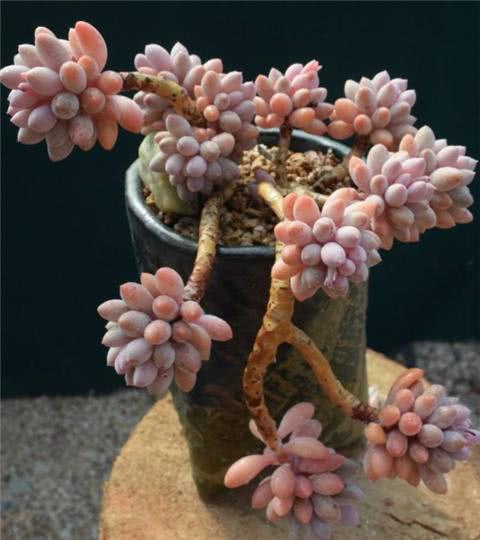
Only 2 tricks are needed to grow succulents into old stumps, and once they reach their prime they look stunning
All succulents can be grown into attractive old stumps, mainly those in the Crassulaceae family. To grow succulents into old stumps you have to start from small seedlings; to achieve an old stump, meet their growth needs and learn how to water, fertilize and provide light. The soil should also be chosen...
-
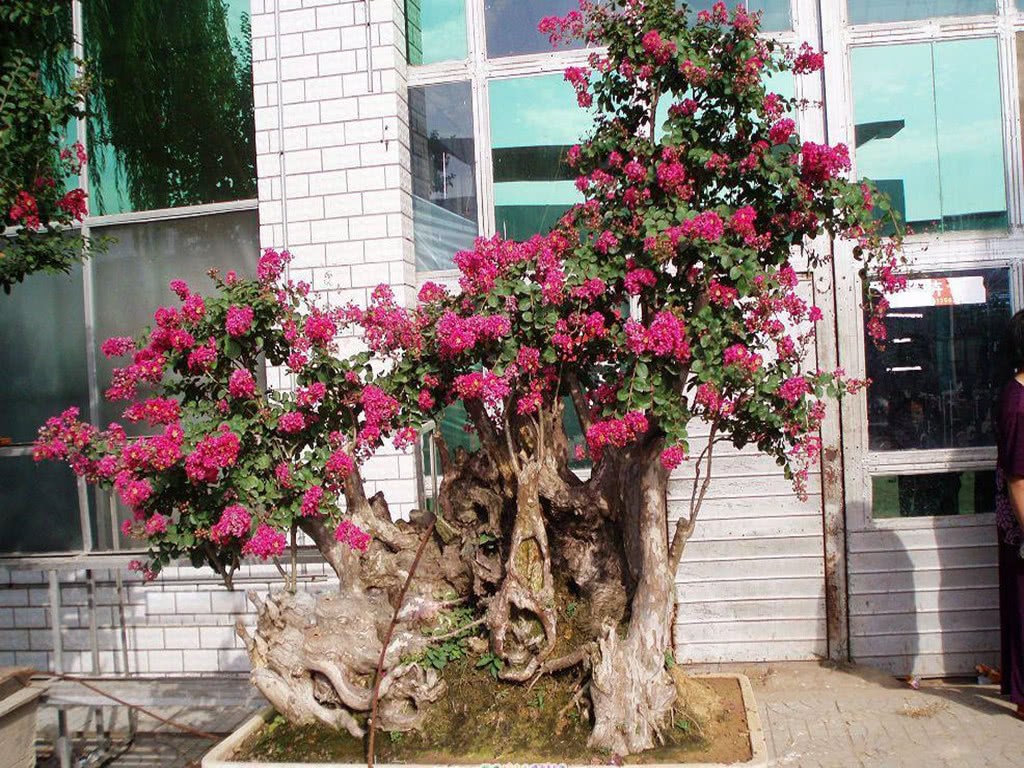
The uncle who grows bonsai stumps has a quirky habit: he gets up in the middle of the night to scratch the tree stump. Auntie asks whether he is sleepwalking or playing tricks on her.
Uncle has developed a quirky habit from growing stumps: he gets up in the middle of the night to scratch the tree stump. Auntie says: Are you sleepwalking or deliberately playing tricks on me? Uncle is a hardworking rural man who is quite good at what he does. He lives only about 500 m from my house, and I often visit his...
-
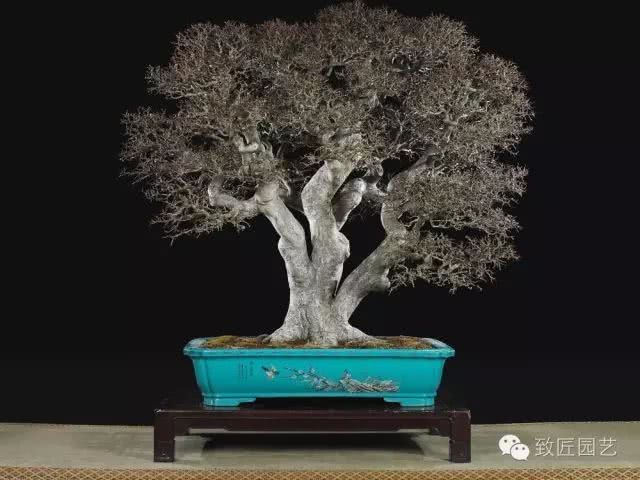
What are the methods for collecting and cultivating elm stumps?
How are elm stumps collected and cultivated? Elm is a conventional tree species for stump bonsai in China, with a wide distribution of growing areas, and it is suitable for making various forms of bonsai. Elm is a deciduous tree species, with small leaves, many buds, and dense branches, and strong sprouting ability of branches and buds; the wood is tough, ...
-

How to Create and Care for Osteomeles Bonsai from Mountain-Collected Stumps
According to what this editor has learned, there are thousands upon thousands of bonsai plant varieties, so how do you choose? What kind of bonsai looks good? Today this editor will tell everyone about the methods for creating Osteomeles bonsai.
-

Practical Tips for Selecting Bonsai Tree Stumps in Winter
1. Types of tree stumps. From a cultivation standpoint, they should tolerate pruning and be easy to wire; from an aesthetic standpoint, the stump's appearance should meet conditions such as small leaves, curved branches, abundant flowers and bright fruit. Common evergreen types include: Ilex aquifolium (bird-lime holly), Quercus acutissima (sawtooth oak), Syzygium buxifolium (boxleaf syzygium), Elaeagnus pungens (thorny elaeagnus), Mahonia fortunei (Chinese mahonia), Nandina domestica (heavenly bamboo), Pyracantha fortuneana (Chinese firethorn), etc.; common deciduous types include: Euonymus alatus (winged euonymus), Adina rubella (Chinese buttonbush), Sageretia thea (Chinese sweet plum), Lagerstroemia indica (crape myrtle), Acer buergerianum (trident maple), Ligustrum quihoui (waxyleaf privet), Ulmus parvifolia (Chinese elm), Wisteria sinensis (Chinese wisteria), etc. Deciduous types can be purchased in both winter and spring. 2. Vitality of the tree stump. ① Scrape the rough outer bark of the trunk; if the inner layer is greenish and fine water droplets seep out, it is a fresh stump;
-
How to preserve tree stumps for bonsai against rot? These practical methods are a must-know
A fine bonsai work can only be completed after 5-8 years of careful management, but during the care process, how to prevent dead branches from continuing to rot is the most worrying thing. The most common way to preserve tree stumps against rot is to coat them with lime-sulfur mixture (a mixture of lime and sulfur). The preparation method of lime-sulfur mixture: one part quicklime powder, 2 parts sulfur powder, 10 parts water, boiled and prepared. One point to emphasize is boiling! That is, boil it in a pot and then use it, because sulfur powder generally does not dissolve in water. Tree stumps can be treated during both the growing season and the dormant season; in winter it is mainly for prevention, and the effect is very good.
-
Supplementary zinc fertilization in rice paddies can effectively prevent "sitting stumps"
After rice seedlings are transplanted, they may be slow to grow, fail to turn green, or fail to tiller and even shrink after turning green, which farmers generally call "sitting stumps." Fields with "sitting stumps" mostly occur in low-lying, damp areas and in cold, waterlogged, or poor fields, but they sometimes also occur in fertile fields. There are many causes of this phenomenon, and zinc deficiency is one very important cause. The symptoms of zinc deficiency "sitting stumps" in rice are: the leaf tips of the basal leaves of the rice plant dry up, and yellow-brown to reddish-brown irregular patches appear in the middle section of the leaves; and these gradually spread from the old leaves
-
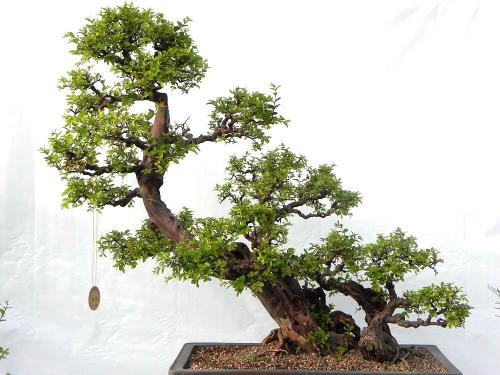
How to choose bonsai tree stumps? Detailed winter selection tips
Look at the type of tree stump. For wild stumps suitable for making bonsai, from a cultivation standpoint, they should tolerate pruning and be easy to wire; from an aesthetic standpoint, their appearance should basically satisfy the conditions of small leaves, curved branches, abundant flowers and bright fruit.
-
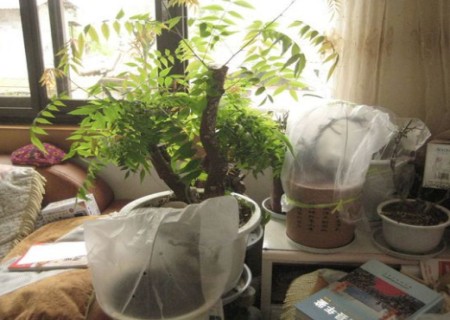
How to cultivate old Pistacia weinmannifolia stumps? A detailed guide to the planting method
When it comes to Pistacia weinmannifolia, people from Wenshan are all too familiar with it, but this familiarity is only a matter of awareness; a comprehensive and in-depth understanding and study of Pistacia weinmannifolia has not been popularized among the general public. In recent years, with the development of the social economy, the development and utilization of Pistacia weinmannifolia has greatly advanced
条件筛选