-

In eel farming, gill nephritis must be strictly prevented.
Gill nephritis is a disease that causes great harm to eels. The epidemic period of this disease is relatively long, beginning in December and lasting until May of the following year. Small-sized eel fingerlings can have a mortality rate of over 50% when affected by this disease during the overwintering period. Larger eels develop the disease somewhat later than small-sized fingerlings, generally between February and March. If the disease is severe in autumn, the harm from gill nephritis in winter will be greater. When water temperatures begin to rise in February and March, secondary infections such as water mold disease, red fin disease, and red spot disease are likely to occur. Ponds whose water contains salt generally do not develop this disease, that is,
-
How to classify and manage cotton during the flowering and boll stage? Jinnan District Agriculture and Forestry Bureau reminds cotton farmers
The period from when 50% of cotton plants flower to when 50% of cotton plants mature and open their bolls is called the flowering and boll stage. Cotton in Tianjin generally enters the flowering and boll stage in early July and finishes at the end of August. This period is the key period that determines cotton yield, and cotton farmers are urged to pay attention to the growth trend of cotton in the field and adjust technical management measures at any time. According to Gao Qingming and others of the Cotton Research Institute of the Hebei Academy of Agriculture and Forestry Sciences, based on morphological indicators such as cotton plant growth during the flowering and boll stage, cotton fields are classified into 4 grades: excessive vegetative growth, robust, ordinary, and weak. The main indicators of the 4 grades are as follows: ①
-
How to manage cotton during the flowering and boll-setting stage? Jinnan District Agriculture and Forestry Bureau reminds cotton farmers to master the techniques
The flowering and boll-setting stage of cotton in Tianjin generally begins in early July and ends at the end of August, lasting 55 days. According to surveys, most of the cotton fields in our district have entered the flowering and boll-setting stage. Field management during the flowering and boll-setting stage is very important. This period is when cotton grows and develops most vigorously, and it is a period of intricate and complex contradictions among vegetative growth and reproductive growth, individuals and populations, and the cotton crop and the environment, so it is the period that determines yield. Cotton field management during this period should focus on doing the following key tasks well: 1. Increase potassium fertilizer application. Increasing
-
Be on strict guard against physiological diseases in edible mushroom cultivation
Wild mushroom: caused by high nitrogen, high moisture and high temperature in the substrate. Control methods: reduce the nitrogen content of the substrate and raise the pH value of the substrate to 8-9. Green mold: caused by a too low pH value, poor ventilation of the substrate bags, and excessive bag temperature leading to a stuffy stack. Control methods: raise the pH value to 8-9, strengthen microporous aeration to promote mycelial growth, and prevent stuffy stacks from high humidity. Dead mushrooms: shortly after pinning, large numbers of small mushroom pins sometimes shrink, turn yellow and even die. This is mainly because the temperature of the substrate bags in the mushroom stack is too high and the heat from mycelial metabolism cannot
-
Research and Analysis of High-Efficiency Lotus Root Cultivation Models: A Case Study of Lotus Fields in Caidian District
Lotus root is one of the pillar agricultural industries of Caidian District, Wuhan City. In 2006, the planting area was 10,000 hectares, the total output was 200,000 t, and the total output value was 320 million yuan, accounting for 18.2% of the district's total agricultural output value. In order to improve the economic benefits of lotus fields, Caidian District promoted several high-efficiency lotus field cultivation models and achieved good results. In 2006, the promoted area of the models in the district reached 7,730 hectares, accounting for 77.3% of the district's lotus root planting area. The main models promoted and applied in recent years are introduced below.
-
How to scientifically restrict-feed young chickens? Master these technical points
Under normal circumstances, young chickens should be given restricted feeding. In restricted feeding, some chicken raisers believe that the less the chickens eat the better, and the poorer the feed quality the better; therefore, they provide young chickens with a single feed, with no regularity, no plan, and no standard, and manage them carelessly. In fact, this practice misunderstands the original meaning of restricted feeding. The purpose of restricted feeding is to control the chicken's weight gain, prevent the chicken from reaching sexual maturity too early (laying too early), maintain the standard laying start time and body weight, slightly inhibit its growth, and prevent the chicken from increasing body
-

Golden Mullet Roe Competition Results Announced, Chiayi Strictly Selected Winners Revealed
To establish a top-tier mullet roe image, the Chiayi County Government has annually guided the Chiayi County Aquaculture Production Area Development Association since 2010 to hold the "Chiayi Strictly Selected Golden Mullet Roe" selection. This year's evaluation results were announced on December 19. Xiami World Co., Ltd....
-
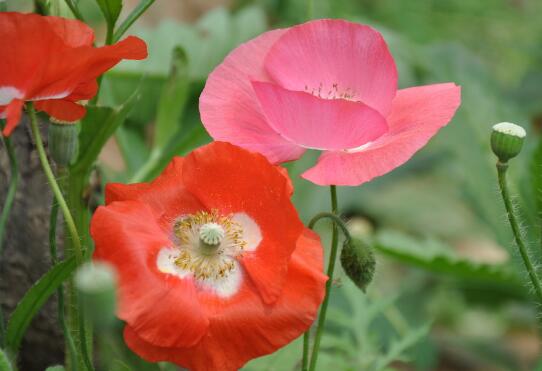
How to water corn poppies? Water frequently in summer, restrict water in winter and avoid waterlogging
The corn poppy is a flowering plant with very high ornamental value, and many people in various regions of China grow it. However, it is not easy to grow it well, and there are many points we need to pay attention to, among which daily watering is the most important. As for how to water corn poppies? What points need attention
-
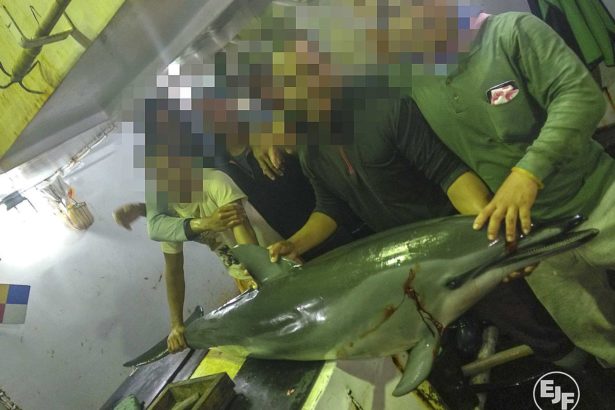
EJF exposes bloody massacre by Taiwanese fishing vessels! Killing dolphins to catch sharks, cutting off shark fins and discarding the bodies, calls for stricter regulation
EJF exposes bloody massacre by Taiwanese fishing vessels! Killing dolphins to catch sharks, cutting off shark fins and discarding the bodies, calls for stricter regulation
-
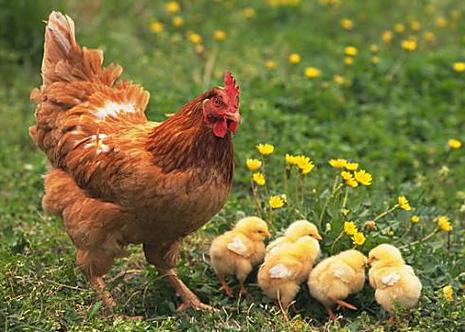
Key Points and Practical Tips for Restricted Feeding of Breeding Chickens
Key Points of Restricted Feeding for Breeding Chickens, Tips for Restricted Feeding of Breeding Chickens
条件筛选