-
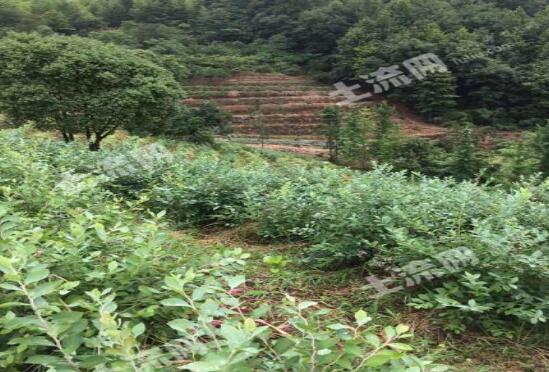
How large is the land area of Wucheng District and Jindong District in Jinhua City, and what plants are profitable to grow?
Jinhua is a prefecture-level city under the jurisdiction of Zhejiang Province, bordering Taizhou to the east, Lishui to the south, Quzhou to the west, and Shaoxing and Hangzhou to the north. Its territory comprises 2 municipal districts, Wucheng District and Jindong District, 4 county-level cities, Lanxi City, Yiwu City, Dongyang City and Yongkang City, and 3 counties, Wuyi County, Pujiang County and Pan'an County.
-
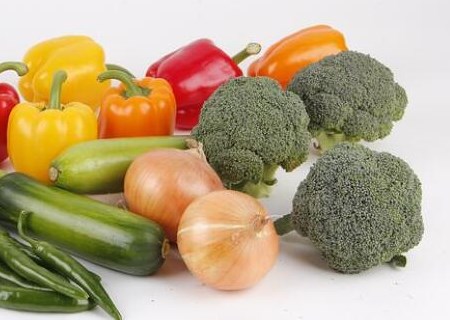
Broccoli Pest and Disease Control Methods, Characteristics, and Dietary Restrictions
To ensure the production of high-quality broccoli, forecasting and monitoring of pests and diseases should be strengthened. With a focus on prevention first, do you know how to control pests and diseases in broccoli during cultivation? What characteristics does it have? What should it not be eaten with? How to control pests and diseases in broccoli, 1. Downy mildew ① Symptom manifestation
-

Rationalized Layout of Improved Tea Cultivars in Liandu District
Liandu District of Lishui City is located in the heart of southwestern Zhejiang, in the middle reaches of the Ou River. The area is embraced by green mountains and clear waters, with extremely rich ecological resources. It is a national ecological demonstration zone with a forest coverage rate of over 80%, and is known as "Green Liandu." Liandu District has four distinct seasons and a mild climate, belonging to the mid-subtropical monsoon climate zone. The soil is mainly red-yellow soil and lithological soil, with a pH value mostly between 4.5 and 6.5, which is very suitable for tea cultivation, and the tea produced is of excellent quality. 1. Overview of tea production and improved tea cultivar structure in Liandu District
-
How to classify and manage cotton during the flowering and boll stage? Jinnan District Agriculture and Forestry Bureau reminds cotton farmers
The period from when 50% of cotton plants flower to when 50% of cotton plants mature and open their bolls is called the flowering and boll stage. Cotton in Tianjin generally enters the flowering and boll stage in early July and finishes at the end of August. This period is the key period that determines cotton yield, and cotton farmers are urged to pay attention to the growth trend of cotton in the field and adjust technical management measures at any time. According to Gao Qingming and others of the Cotton Research Institute of the Hebei Academy of Agriculture and Forestry Sciences, based on morphological indicators such as cotton plant growth during the flowering and boll stage, cotton fields are classified into 4 grades: excessive vegetative growth, robust, ordinary, and weak. The main indicators of the 4 grades are as follows: ①
-
How to manage cotton during the flowering and boll-setting stage? Jinnan District Agriculture and Forestry Bureau reminds cotton farmers to master the techniques
The flowering and boll-setting stage of cotton in Tianjin generally begins in early July and ends at the end of August, lasting 55 days. According to surveys, most of the cotton fields in our district have entered the flowering and boll-setting stage. Field management during the flowering and boll-setting stage is very important. This period is when cotton grows and develops most vigorously, and it is a period of intricate and complex contradictions among vegetative growth and reproductive growth, individuals and populations, and the cotton crop and the environment, so it is the period that determines yield. Cotton field management during this period should focus on doing the following key tasks well: 1. Increase potassium fertilizer application. Increasing
-
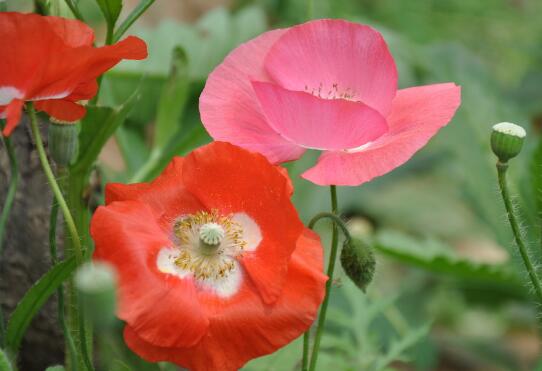
How to water corn poppies? Water frequently in summer, restrict water in winter and avoid waterlogging
The corn poppy is a flowering plant with very high ornamental value, and many people in various regions of China grow it. However, it is not easy to grow it well, and there are many points we need to pay attention to, among which daily watering is the most important. As for how to water corn poppies? What points need attention
-
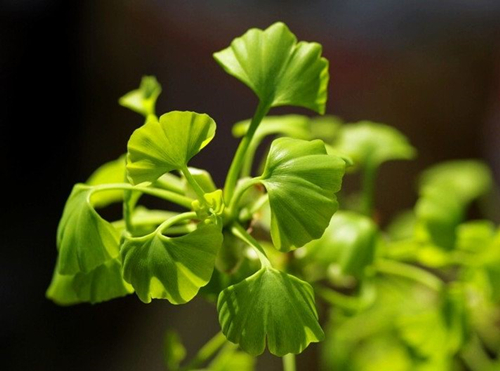
Ginkgo diseases restrict income growth: control methods for two diseases
Ginkgo income growth limited by diseases: control methods for two ginkgo diseases
-
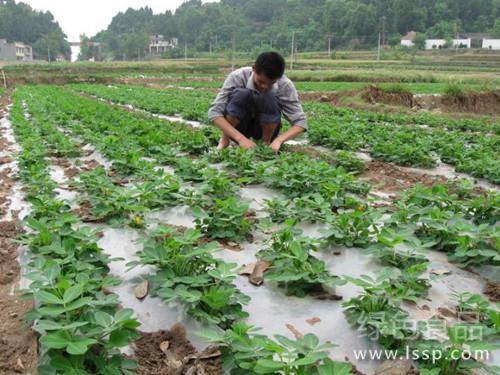
Method for promoting rapid growth of peanuts through clearing the seedlings, root-restricting to strengthen seedlings, pressing rings, and spreading soil and fertilizer
Method for promoting rapid growth of peanuts through clearing the seedlings, root-restricting to strengthen seedlings, pressing rings, and spreading soil and fertilizer
-
What are the benefits, uses, and dietary restrictions of Cordyceps flower?
Do not wash it, because the part of Cordyceps flower with dietary therapeutic effects is the fungal spore powder on its fruiting body, so washing will cause the spore powder to be lost and thereby reduce its efficacy. However, if people are worried that the Cordyceps flower is not clean enough, it can also be rinsed briefly, but simply soaking it in clean water for a short while is enough.
-
Learning to grow flowers helps landless farmers in Qindu District, Xianyang City start businesses and get rich
Growing flowers and growing vegetables is actually about the same - more care, frequent fertilizing, sun and water given as needed, and effort will definitely bring rewards! With pots of green plants and flowers arranged, the villagers squatted or stood, listening to an old man share his wisdom on flowers and plants. In Chenyang Subdistrict Office, Qindu District
条件筛选