-

How to Grow Stevia? A Detailed Guide to the Latest Cultivation Methods
Stevia is a perennial herbaceous plant in the Asteraceae family. Its value in use is relatively high, and it can be used in four main areas: food, medicine, feed, and fertilizer. Stevia is a plant introduced into China from Japan. At present, it is mainly cultivated in Beijing, Anhui, Hebei,
-
What are the precautions for growing stevia? A detailed explanation of the latest key points
Stevia is a high-quality sweetener raw material, and it has been cultivated in our country for more than 30 years. Nowadays it is widely used for extraction as an additive. Traces of it can be found in many sweet foods or medicines. So what should be noted when growing stevia
-
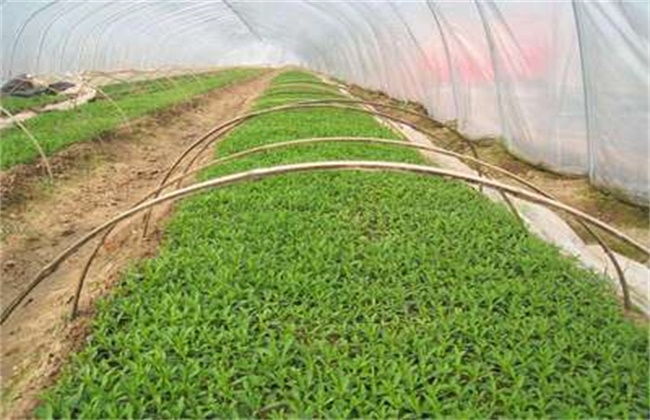
What causes dead seedlings in stevia? A detailed guide to prevention and control methods
Causes of dead seedlings in stevia and prevention and control methods
-
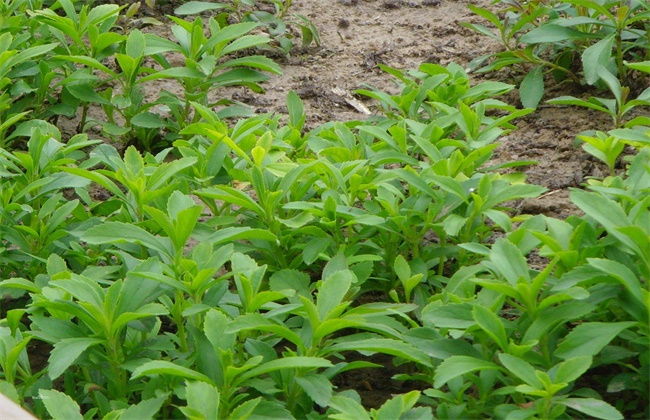
Detailed Explanation of the Key Points of Stevia Seedling Cultivation Techniques
Stevia Seedling Cultivation Techniques
-
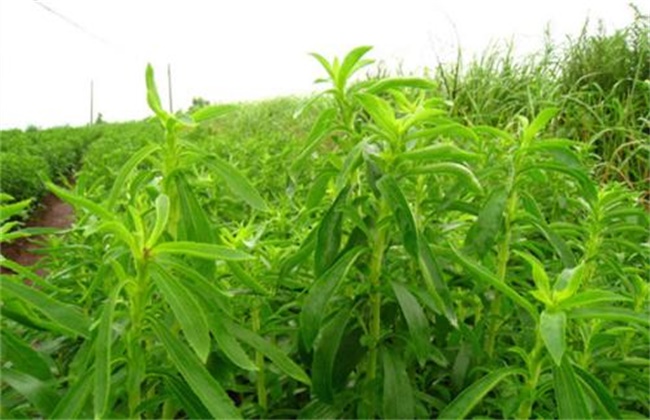
Key Points of Stevia Transplanting Techniques and Field Management Methods
Stevia Transplanting and Field Management
-
What are the key cultivation techniques for stevia?
Stevia is the dried leaf of the aster family plant stevia (Stevia rebanianum Bertoni). Also known as sweet chrysanthemum, sugar grass, sweet grass. The whole stevia plant has a sweet taste, with the leaves being the sweetest. Stevia has the effect of raising blood sugar, lowering blood pressure, and promoting metabolism. Made into health bars or food additives, it can treat diabetes, obesity, regulate stomach acid, restore nerve fatigue, prevent dental caries in children, etc. Stevia originates from the subtropical regions of South America. It was successfully introduced in China in 1977 and is now cultivated in more than 20 provinces and cities.
-

-

-
Harmless production technology for early spring potato-stevia-autumn cabbage
This spring has seen more low-temperature and low-light days, which favors the occurrence of cabbage sclerotinia rot. Vegetable growers are urged to take control measures early to reduce the damage. 1. Symptoms and characteristics: After seedlings are infected, water-soaked light brown lesions appear on the leaves, with indistinct edges, and the diseased tissue soft-rots, causing damping-off. When plants are infected during the head-forming stage, on the stem bases near the ground...
条件筛选