-
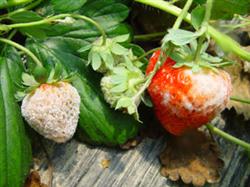
Pollution-Free Standards and Production Technical Regulations for Strawberries
In early October, powdery mildew had already appeared sporadically at the seedling stage of greenhouse strawberries, with the disease occurring earlier, its severity increasing, and the affected area expanding year by year, seriously affecting the yield, quality and food safety of strawberries. Growers should strengthen field management of strawberries, scientifically select control agents, and use integrated control measures to control greenhouse straw...
-
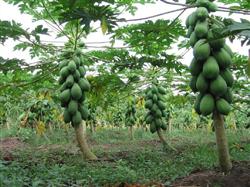
Key Points of Standardized High-Yield Cultivation Techniques for Papaya
The papaya fruit is oval-shaped, with lignified flesh, and is resistant to storage, capable of being stored naturally for 5-6 months. The fruit skin is smooth and waxy, golden-yellow and shiny; clean and attractive, with a rich and unique fragrance. When placed indoors, the aroma fills the air and lingers for a long time. Because the seeds of Yizhou papaya have a layer of mucilage on the surface, the seedling emergence rate is low, currently...
-
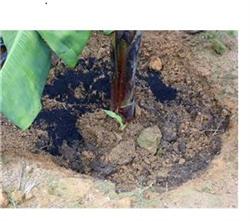
Detailed Explanation of Pollution-Free Standardized Cultivation Techniques for Bananas
The nutrient requirements of bananas generally increase as the leaf stage advances. The growth and development during the 18-40 leaf stage of bananas plays a decisive role in the yield and quality of bananas, so this period is an important fertilization period for bananas. This period can be further divided into two heavy fertilization periods: the mid-to-late vegetative growth stage and the flower bud differentiation stage. Most of the...
-

Detailed Explanation of Jujube Grading Standards: How to Grade Jujubes
Jujube fruit grading should be based on the quality and intended use of the jujubes, so as to meet the needs of different uses. Standards vary somewhat among different cultivars. Generally, jujube fruit grading can be divided into the following 4 grades. Special grade: fruit weight more than 20% greater than the average for the cultivar, and the fruits are relatively uniform, with thick flesh and unwrinkled surface, pure color with no uneven coloration, no moldy or mushy rotten fruits, and mechanically damaged fruits and diseased/insect-damaged fruits less than 3%, with a moisture content less than 25%. Grade 1: single fruit should reach the average fruit weight or slightly above, fruits uniform,
-
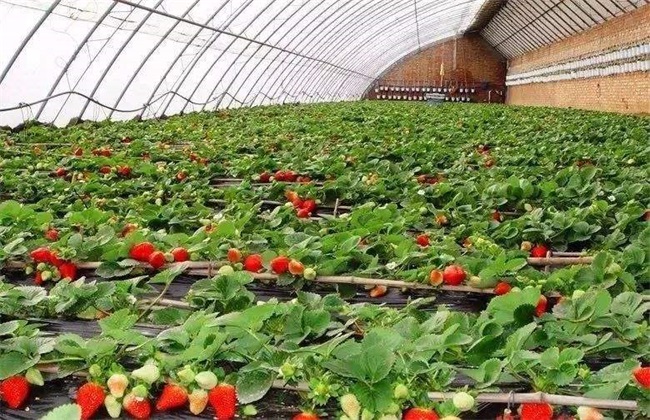
What are the production standards for pollution-free strawberries?
Production standards for pollution-free strawberries
条件筛选