-

What are the aliases of the dragon spruce (Picea asperata), a tree species endemic to China, and at what elevation is it suitable for planting?
The dragon spruce is a tree species endemic to China. Its trunk is straight with few knots, and its wood has a straight, evenly distributed grain and a very fine structure, making it very easy to work with. Therefore, it is widely used for timber in construction, aircraft, musical instruments, furniture, boxes and crates, veneer, and raw materials for the fiber industry.
-
How to grow a European spruce bonsai? Care methods and points to note
The European spruce has a beautiful tree shape; a mature large tree has a spire-shaped crown, dense branches, bright green needles and yellow-green new foliage, making it an elegant garden tree species. So, how do you grow a European spruce bonsai? 1. Potting soil The European spruce has rather lush branches and leaves, so a larger bonsai pot should be chosen. The potting soil
-
How much does a spruce sapling cost? Detailed explanation of planting density per mu and techniques
Spruce saplings are the seedlings of spruce, with strong drought resistance, and are the preferred tree species for landscaping. So how much does one sell for? How many can be planted per mu? What are the planting techniques? From a nursery base in Hebei, we learned that prices vary for different specifications of saplings, for example
-
A Detailed Guide to the Latest Cultivation Methods for Blue Spruce Stonecrop
Blue Spruce Stonecrop, also known as Sedum hispanicum, is a perennial herbaceous plant in the genus Sedum of the family Crassulaceae. It is widely distributed from southern Europe to Central Asia. Because of its good drought tolerance, it can grow in places with little soil, and is especially suitable for accenting rock bonsai or being planted directly on rocks. It can also be grown in small pots.
-
A Complete Guide to Selecting and Propagating Spruce Seeds
People living in rural areas often see all kinds of trees, and the spruce is a fairly common one. It purifies the air, conserves soil and water, and can also be used to make artworks or as an ornamental garden plant. So how do you select spruce seeds?
-
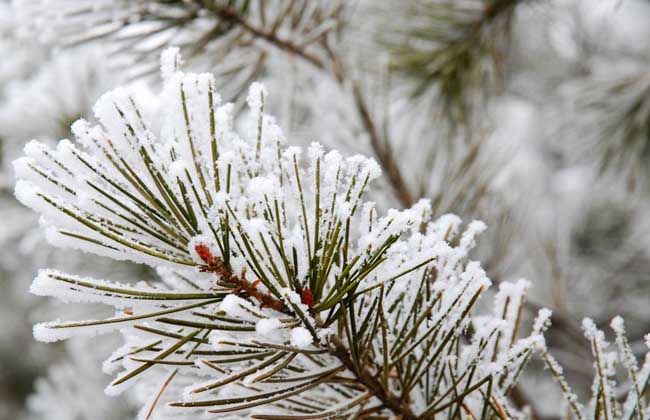
What is the difference between cedar and spruce? A quick guide to telling them apart
The difference between cedar and spruce
-
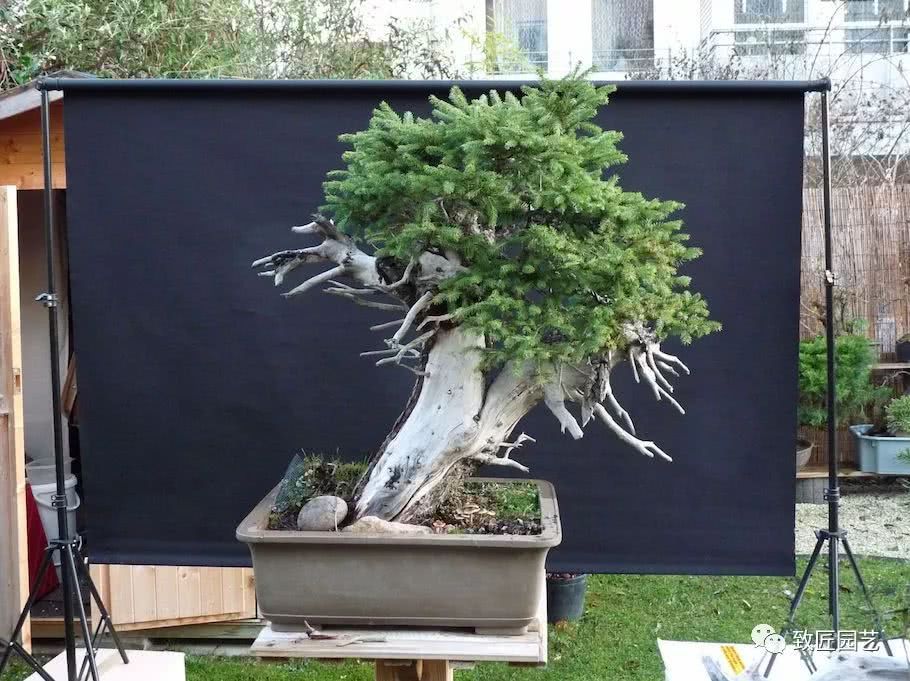
Spruce
Great content Did you like this article? Share it right away so more people can know about it! This site is rich in content, broad and profound...
-
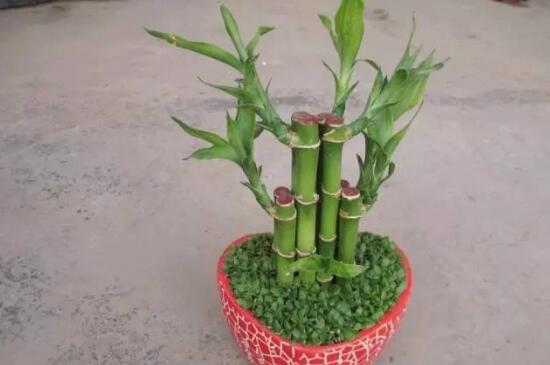
How to propagate the tiger's tail spruce? A spring cutting method that roots in half a month
Everyone is surely familiar with the tiger's tail spruce (Dracaena sanderiana); it often appears in water-grown form in living rooms, offices and other places, with excellent ornamental value. But is one pot of tiger's tail spruce too monotonous? It's time to get a few more, but rather than buying them, it's better to propagate them yourself. So how do you propagate the tiger's tail spruce?
-
Detailed Explanation of the Cultivation Techniques for Qinghai Spruce Seed Production Stands
Qinghai spruce (Picea crassifolia) is the main native tree species in the Qilian Mountain area, with a long history of cultivation, wide distribution and large area, and is one of the main afforestation tree species in Tianzhu and indeed the entire Northwest region. The main advantages of this tree species are cold resistance, drought resistance, tolerance of barren soil and strong resistance, and it can withstand extreme low temperatures of -30°C; it is a lateral-root tree species with good soil-fixing performance and a strong ability to conserve water sources and maintain soil and water, making it an excellent water-conservation tree species; it is evergreen in winter and summer with a graceful crown shape, and is also a main tree species for urban, courtyard, park and roadside greening; its trunk is straight and full, and its wood is soft and rich in
-
Detailed Explanation of Qinghai Spruce Sowing and Seedling Cultivation Techniques
Qinghai spruce, of the genus Picea in the pine family (Pinaceae), is an evergreen tall tree. First-year twigs are pale greenish-yellow at first, later turning pinkish-yellow or pinkish-brown, more or less hairy; leaves are four-angled linear, slightly curved or straight, 1.2-3.5 cm long, 2-3 mm wide, with obtuse tips or blunt pointed tips, rhombic in cross-section, with stomatal lines on all four sides; flowers are unisexual, monoecious; cones are conical, cylindrical or oblong-cylindrical, pendulous, 7-11 cm long, 2-3.5 cm in diameter; seeds about 3.5 mm long, wings about 1.3 cm long, young cones purplish-red.
条件筛选