-

2018 Technical Guidance on Spring Wheat Management for the Whole City of Zibo, Shandong
To ensure the smooth progress of spring wheat field management and a bumper wheat harvest, the Zibo Municipal Government of Shandong issued a notice on the 2018 technical guidance on spring wheat management for the whole city. Among these, the flag-leaf stage has high temperatures and strong transpiration, and is most sensitive to water, making it the critical period for wheat water demand.
-
Occurrence and Control Methods of Rust Disease in Small Spring Crops: Barley, Wheat, and Broad Bean
Rust disease is a type of plant disease caused by parasitic rust fungi. It is widely distributed and highly destructive, and is most commonly seen in cereal crops, leguminous plants, and pears. The rust diseases of many crops are worldwide in scope, and some have the characteristic of large-region epidemics, with yield losses often counted in tens of thousands of tons.
-
Occurrence of Spring Frost Damage in Wheat and Remedial Measures
Every year in February and March of spring, cold air frequently breaks out and moves southward in the north, with a large temperature drop during the process, and wheat that has jointed too early often suffers frost damage. At this time, for seedlings growing too vigorously, the method of pressing should be adopted to inhibit growth; for weak seedlings, reasonable topdressing should be applied to promote weak ones into strong ones
-
Four protections to do well in spring field management of wheat
To ensure high and stable wheat yields, after the beginning of spring, four protections should be emphasized in wheat management. First, prevent waterlogging damage. After the beginning of spring there is generally more rain, and if drainage is poor and soil moisture is too high, waterlogging damage is very likely to occur. Ditches should be cleared and drainage carried out in time, and plant ash should be spread between the rows to loosen
-
To manage spring care of late-sown wheat well, it should be carried out according to its characteristics.
Every year there are always some wheat fields sown relatively late. The characteristics of late-sown wheat: First, the tillering period is short. Because sowing is late and emergence is late, there is no tillering period before winter, and the spring tillering period is generally less than 20 days, so the number of tillers per plant is small, and the tillering roots are also few, which is the main reason for slow growth in spring.
-
Spring field management for winter wheat: remember these eight key points
Spring is the critical period that determines the number of spikes per mu, the number of grains per spike and grain weight in wheat. Strengthening spring field management according to seedling conditions is the key to achieving high wheat yields. In terms of management, the eight key points of pressing, raking, clearing, topdressing, watering, controlling, preventing and protecting should be implemented as priorities. Pressing: namely early
-
Late spring cold snap strikes: how to protect vegetables, wheat and fruit trees?
Late spring cold snap is a weather phenomenon in which temperatures in early spring are lower than the same period in normal years, and crops often suffer frost damage as a result. This kind of dramatic turn in the weather is very unfavorable to agricultural production. If preventive measures are not taken in time, crops can easily be frozen. So, vegetables, wheat, fruit trees
-
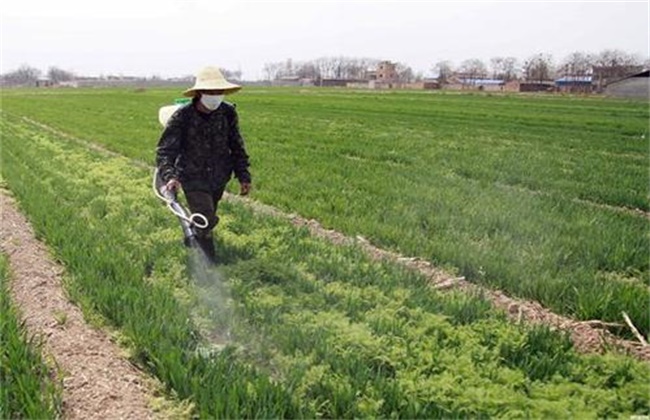
When is the best time for spring weed control in wheat?
The best time for spring weed control in wheat
-
-
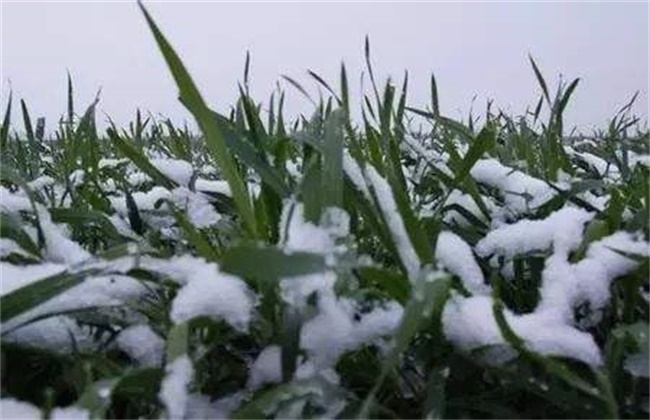
How to prevent late spring cold damage in wheat? These methods you need to master
Methods to prevent late spring cold damage in wheat
条件筛选