-
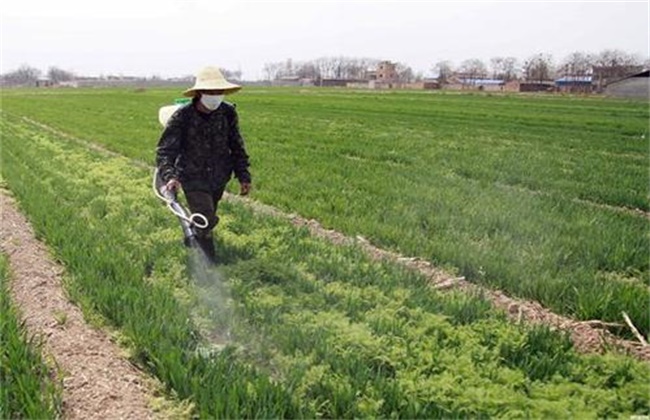
When is the best time for spring weed control in wheat?
The best time for spring weed control in wheat
-
Key Techniques for Winter and Spring Control of Wheat Red Spider Mites
Seven parts planting, three parts management: improving sowing quality is the key to a grain harvest. At present, spring wheat in our province is about to enter the sowing period. How well the sowing stage is handled and sowing quality improved has a bearing on the overall success of the spring wheat harvest for the whole year. 1. Selecting improved varieties. To achieve a bumper wheat harvest, soil is the foundation, fertilizer is the nutrition, and water is the lifeblood, ...
-
Key Technical Points for Spring Field Management of Dryland Wheat
I. Causes of Wheat Seedling Death in Winter and Spring 1. Internal causes refer to the ability of the wheat plant itself to resist cold and drought. Using varieties with poor cold resistance easily leads to seedling death. In individual cases, wheat seedlings sown too early that have reached the two-glume stage of spike differentiation before winter have weakened cold tolerance and often suffer severe seedling death when exposed to freezing injury. Some late and weak seedlings, having accumulated...
-
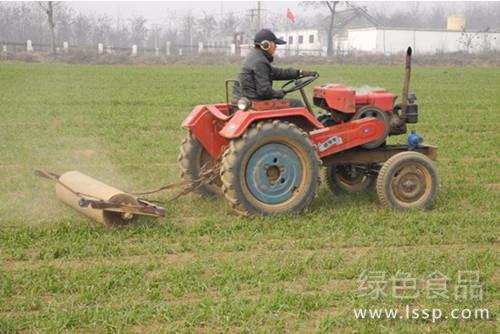
Early spring wheat rolling has many benefits: preserving soil moisture, raising temperature, and resisting drought
Preserving soil moisture, raising temperature and resisting drought: the many benefits of early spring wheat rolling
-

Spring field management techniques for weak-gluten wheat, a must-read for farmers in the lower reaches of the Yangtze River
Spring field management techniques for weak-gluten wheat in the lower reaches of the Yangtze River
-
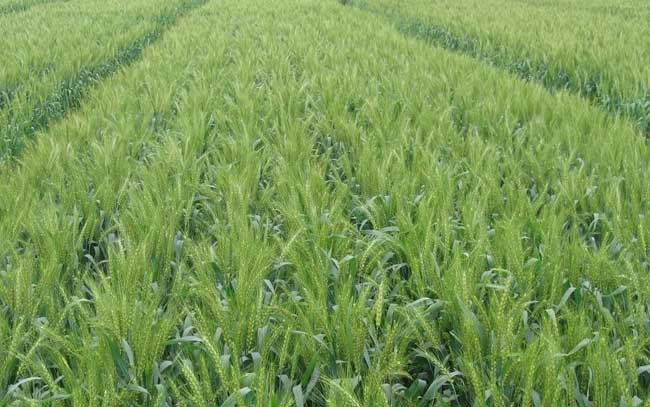
The Occurrence of Spring Frost Damage in Wheat and How to Remedy It
The Occurrence of Spring Frost Damage in Wheat and How to Remedy It
-
-
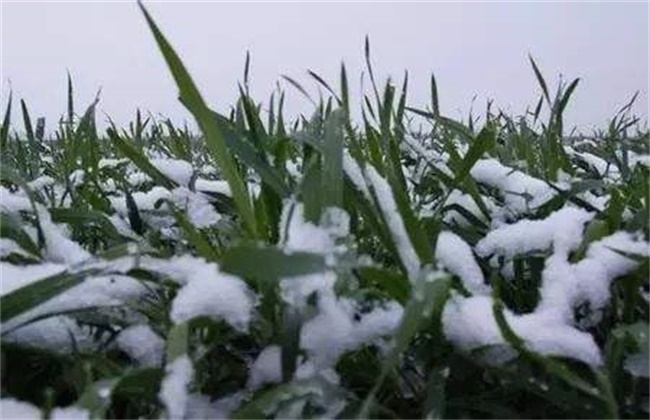
How to prevent late spring cold damage in wheat? These methods you need to master
Methods to prevent late spring cold damage in wheat
-
Key Technical Points for Early Spring Field Management of Late-Sown Wheat
Because last year's wheat sowing period around the "National Day" (October 1) encountered heavy rainfall, wheat farmers did not sow until after the Cold Dew solar term, resulting in late wheat; in addition, the rainfall at that time also delayed the growth of wheat sown at the normal time, which also formed late wheat. As a result, more than half of the 1.1 million mu of wheat sown in this city last year was late wheat. The growth characteristics of late wheat differ from those of ordinary wheat, so the early spring management techniques are also different. Late wheat generally refers to wheat sown after the Cold Dew solar term. Its growth characteristics differ from those of wheat sown at the appropriate time, mainly shown as: overwintering seedlings
-
Detailed Explanation of Early Spring Management Techniques for Late-Sown Wheat
Because the wheat sowing period around "National Day" last year encountered heavy rainfall, wheat farmers did not sow until after the Cold Dew solar term, forming late-sown wheat; in addition, the rainfall at that time also delayed the growth of wheat sown at the normal time, also forming late-sown wheat. Of the 1.1 million mu of wheat sown in this city last year, more than half was late-sown wheat. The growth characteristics of late-sown wheat differ from ordinary wheat, so early spring management techniques are also different. Late-sown wheat generally refers to wheat sown after the Cold Dew solar term. Its growth characteristics differ from wheat sown at the appropriate time.
条件筛选