-
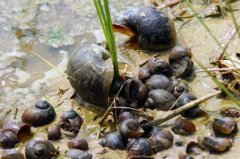
Is the apple snail a pest? Its harms and how to kill its eggs
Apple snails often appear in rice paddies, but the apple snail is a pest, and it can harm the growth of rice, so how do you control it? Would you like to learn about more scientific control methods? Let's take a look below. Because apple snails reproduce very quickly, in Taiwan, China they have almost
-
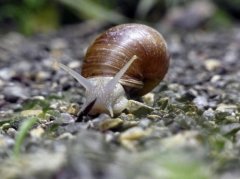
Control methods for the grape flat snail, practical tips for pest and disease prevention and control
Control of the flat snail in vineyards: Grapes also have many pests and diseases. Today let us first learn about snail control. The vineyard flat snail is an important pest of grapes, and traditional control methods are not very effective. Using the PET bottle method to control the flat snail can achieve 95-100%
-
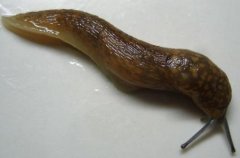
Which plants are mainly harmed by slugs and snails? Detailed explanation of prevention and management methods
Slugs, this kind of pest, do you know about them? Which plants do these pests mainly parasitize, and what harm do they cause? Let's find out together! Host plants: Regarding crops: beans, lettuce, cabbage, Chinese cabbage, tomatoes and many other garden plants
-

How Do Black Devil Snails Reproduce? A Detailed Guide to Their Breeding Method
The black devil snail, also known as the military cap snail, closely resembles the abalone snail in form, except that its shell is jet black and its tail end protrudes a little more. So, how do black devil snails reproduce? 1. How do black devil snails reproduce? Black devil snails reproduce by laying eggs. They are dioecious, meaning males and females are separate, and they mate to fertilize. Shortly after mating, they lay eggs. In freshwater they only lay eggs without hatching; they can only hatch in "brackish water."
-
Which pesticides are effective for killing snails
Snails refer to all terrestrial species of the class Gastropoda. In the West, no distinction is generally made between aquatic snails and terrestrial snails, while in Chinese, snail only refers to terrestrial species; in the broad sense, snails also include the giant shield slug. Snails feed mainly on green plants, and in gardening they feed on flowers,
-
How to Raise Babylonia areolata: Farming Techniques for Babylonia areolata
Abstract Site: Choose a place with clear seawater, a short water intake distance, convenient drainage, high salinity, low water temperature in summer, little impact from typhoons, and relatively flat ground. Water source: Keep salinity between 25‰-35‰, pH between 7.8-8.5, and the maximum temperature must not exceed
-
White Jade Snail Farming Methods and Feeding Key Points
There are many kinds of snails. Today, the editor will lead everyone to get to know the so-called White Jade Snail. The White Jade Snail, which also has another name called the brown cloud agate snail, belongs to the agate snail mollusks. The White Jade Snail reproduces very quickly, and can reproduce quickly all year round
-
Loach and river snail polyculture techniques: What feed do river snails eat?
Loach and river snails are two must-eat delicacies in summer. In rural areas, many river snails and loaches are wild. Because once summer arrives, farmers' fields will have many wild loaches and river snails, and at this time people will go out on summer nights to catch a
-
How to Raise River Snails? Master the Breeding Techniques and Precautions
River snails are one of the most common dishes in everyone's daily life. Various cooking methods make river snails taste excellent and they are deeply loved by everyone. At the same time, this has also led many farming friends to follow the trend. But is the breeding risk of river snails high, and how can river snails be raised well?
-
Pomacea canaliculata Pest and Disease Control Methods and Key Technical Points
Pomacea canaliculata, a mollusk of the genus Pomacea in the family Ampullariidae, looks extremely similar to Pomacea canaliculata, with a large body, broad feeding habits, strong adaptability, fast growth and reproduction, and high yield. Morphological characteristics of Pomacea canaliculata: large body, each 100-150 g, the largest individual can reach more than 250 g. It is known as the giant Pomacea canaliculata. The shell of Pomacea canaliculata is thin and the meat is abundant; the edible portion accounts for 48% of the snail's body weight, making it both a delicious dish and a high-protein feed. Pomacea canaliculata is similar to Pomacea canaliculata, but there are differences in shape, color, and size. The shell color of Pomacea canaliculata is lighter than that of ordinary Pomacea canaliculata, being yellowish-brown, while Pomacea canaliculata is greenish-brown; the spire tail of Pomacea canaliculata is long and pointed, while the spire tail of Pomacea canaliculata is flat and short; the operculum of Pomacea canaliculata is relatively round, while the operculum of Pomacea canaliculata is rather flat.
条件筛选