How do you make flower fertilizer from banana peels, and can it also kill slugs?
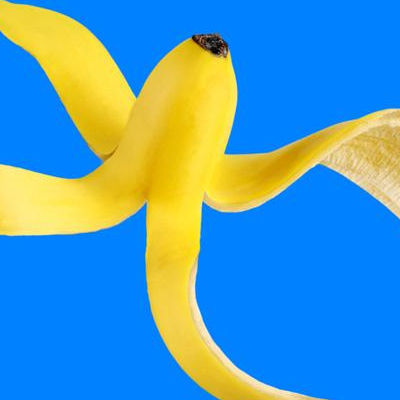
Banana peels, everyone has seen them, and they are just that appealing. How do you turn banana peels into flower fertilizer?
1. Make a nutrient solution
1. Find a larger plastic bottle, wash it clean, and fill it one-fifth with water.
2. Chop up the banana peels, add them to the plastic bottle, and put the lid on but not too tightly, to prevent the gas from exploding during fermentation.
3. Put the bottle in the sun and let it bake for about 10 days. After fermentation is complete, dilute it before use. It can be used as a nutrient solution, once a week.
2. Fermented flower fertilizer
Banana peels are rich in potassium fertilizer, which can promote healthy plant growth and is easily absorbed by the soil.
Use scissors to cut the banana peels into small pieces. Find a larger container, spread about 10 cm of flower soil on the bottom, then put in the chopped banana peels, then cover with another layer. Just like that, one layer of soil, one layer of banana peels, until the container is full, with soil on top to seal it. After fermentation is complete, it becomes excellent humus soil, very good for fertilizing flowers.
3. Banana peels to kill pests
Suitable for slugs. Put a little banana peel at the edge of the flower pot, and the slugs hiding in the corners will all crawl out. You only need to sprinkle a little salt to wipe them out.
4. Clean leaves
If you want plants to grow well, cleaning the leaves is essential. Wiping the leaves with a banana peel can make plant leaves glossy and shiny.
So banana peels really are that useful. From now on, don't just throw away banana peels.
How to use banana peels to make flower fertilizer
In the eyes of many flower growers, it seems like many things are helpful for growing flowers. Quite a few flower growers think banana peels are organic matter and can be used as flower fertilizer. Although banana peels can be used as flower fertilizer, it is not as simple as just throwing them into the flower pot.
Chinese rose (detailed introduction)
First, we need to talk about whether it is even necessary for us to use banana peels as flower fertilizer. If a flower grower lives in a high-rise building, has no experience with composting fertilizer, and only suddenly wonders whether bananas can be used as flower fertilizer because they like eating bananas, then the editor here would say that this flower grower can give up the idea of using banana peels as flower fertilizer. With that time, it would be better to spend a few yuan on a bag of organic fertilizer, which has better fertilizer efficiency and is also clean and hygienic.
If a flower grower lives in a house with a yard and has experience with composting fertilizer, then there is no need for the editor to say it. Banana peels, apple peels, and the like have all been composted.
There is another situation: some flower growers really have itchy hands and are determined to use banana peels as flower fertilizer. Then they can do this: cut the banana peels into granular pieces and bury them in the flower pot. What must be reminded here is, first, do not use too much; the smaller the flower pot, the less should be added. For growing succulents and the like, it is not recommended to add them.
Overall, banana peels can be used as flower fertilizer, but they need to be composted. If they are used without composting, they should be cut into pieces and buried at the bottom of the flower pot, as deep as possible and as far from the roots as possible, and as little as possible, because banana peels will also go through a composting process in the flower pot. If the amount is large, it will burn the roots.
Can banana peels be used as flower fertilizer?
In the eyes of flower growers, anything might be helpful for growing flowers, including banana peels. Recently, a flower grower asked whether banana peels can be used as flower fertilizer. Whether in practice or in theory, banana peels can be used as flower fertilizer, but it is not as simple as just throwing them into a flower pot or burying them in soil.
We can understand banana peels as organic matter. This is the same for apple peels, watermelon rinds, and other fruit peels. After composting, organic matter can all become organic fertilizer. But if they are not composted, then not only do they have no fertilizer effect, they will also attract pests and burn roots.
First, we need to talk about whether it is even necessary for us to use banana peels as flower fertilizer. If a flower grower lives in a high-rise building, has no experience with composting fertilizer, and only suddenly wonders whether bananas can be used as flower fertilizer because they like eating bananas, then the editor here would say that this flower grower can give up the idea of using banana peels as flower fertilizer. With that time, it would be better to spend a few yuan on a bag of organic fertilizer, which has better fertilizer efficiency and is also clean and hygienic.
If a flower grower lives in a house with a yard and has experience with composting fertilizer, then there is no need for the editor to say it. Banana peels, apple peels, and the like have all been composted.
There is another situation: some flower growers really have itchy hands and are determined to use banana peels as flower fertilizer. Then they can do this: cut the banana peels into granular pieces and bury them in the flower pot. What must be reminded here is, first, do not use too much; the smaller the flower pot, the less should be added. For growing succulents and the like, it is not recommended to add them.
Overall, banana peels can be used as flower fertilizer, but they need to be composted. If they are used without composting, they should be cut into pieces and buried at the bottom of the flower pot, as deep as possible and as far from the roots as possible, and as little as possible, because banana peels will also go through a composting process in the flower pot. If the amount is large, it will burn the roots.