What to do when a mimosa plant gets slugs? Use pesticide promptly to spray and control pests and diseases
As a plant that can move, the mimosa (Mimosa pudica) is welcomed and loved by everyone, and is kept at home by many flower lovers, adding a lot of color to our lives. It is well known that the mimosa has strong adaptability, and it is not easily troubled by pests and diseases, but if it is too neglected in care, the mimosa can also get bugs, which affects its ornamental value. So what should you do when the mimosa gets bugs? The following is pest and disease control for the mimosa; let's take a look together.
I. What to do when the mimosa gets bugs: buy pesticide and spray
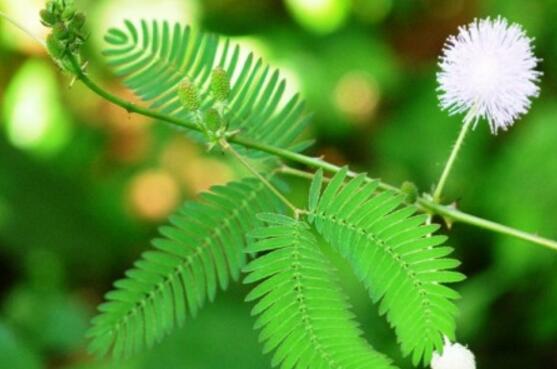
The mimosa has strong adaptability, so it is rarely troubled by pests and diseases, but online there are still many flower lovers asking what to do when the mimosa gets bugs. The editor's suggestion for this: if there is a flower and tree market near your home, you can buy insecticide from it and spray; but if there is no flower and tree market near your home, you can take the following emergency measures:
1. Floral water to repel insects: when the mimosa gets bugs, it is generally in summer, and at this time you should have floral water at home. At this time, when watering the mimosa, you can drip a few drops of floral water into the water;
2. Electric mosquito repellent mats to repel insects: besides floral water, you can also use electric mosquito repellent mats and put them into the pot, which can effectively repel insects. Although it cannot repel them all, it can relieve the problem.
3. Cigarettes to repel insects: if you do not have the above two either, then use shredded tobacco! Take the tobacco out of a cigarette and soak it in water for 2 or 3 days; the yellow water that comes out can kill insects. Of course, if you are not afraid of waste, sprinkling shredded tobacco on the potting soil also has an insect-repelling effect.
4. Laundry detergent and chili to repel insects: if by any chance you do not have any of the above three things, then use laundry detergent and chili, which you surely have! Spray with laundry detergent water at 5% concentration, then sprinkle some Sichuan pepper granules into the flower pot; used together, the insect-repelling effect is good.
II. Pest and disease control for the mimosa
What to do when the mimosa gets bugs: what is said above are general methods, and everyone can try them. According to the editor's research, the mimosa basically has no pests or diseases; even if it does, the most likely one is the slug. If it is that, you can use fresh lime powder in the morning for control.
If it is not a slug, and the newly sown mimosa seedlings have their leaves eaten up by insects within a couple of days of growing leaves, then it may be pests such as scarab beetles, cutworms, or slugs. At this time, flower lovers can bury a little carbofuran, or water with carbofuran water, but this is highly toxic, so everyone should pay attention to safety.
III. Mimosa leaves turning yellow
In the mimosa cultivation methods, we once introduced that it has requirements for light, water and fertilizer, temperature, and so on, and once we cannot meet them, its leaves will turn yellow. So what to do when mimosa leaves turn yellow: we need to find the cause, and only then can we solve it in a targeted way. Overall, there are 5 reasons for mimosa leaves turning yellow... [View details]
IV. Mimosa withering
In daily life, many flower lovers encounter the situation of the mimosa withering when growing it. At this time, flower lovers must not panic, but should calmly find the cause. Only when the cause is known can it be solved in a targeted way. As for the reasons for mimosa withering, the editor has summarized 4 points, among which is exposure to strong sunlight... [View details]
Regarding the problems that the mimosa may encounter, the above has already introduced them clearly. For the mimosa to grow healthily, everyone should remember them in the end. In fact, the mimosa is very easy to grow; for example, with pests and diseases, most flower lovers will not encounter them at all, but once they appear, they are very troublesome! As for the content on mimosa pests and diseases, the editor has introduced it here, hoping it can bring help to everyone.
What to do when Forsythia gets bugs: pest and disease control for Forsythia / 3 pests, 3 diseases
During the growth of Forsythia, the thing we least want to encounter is pests and diseases. Such problems are very harmful to the plant, not only affecting its ornamental value, but in severe cases also causing the plant to wither. So what to do when Forsythia gets bugs? What needs to be done for pest and disease control of Forsythia? The editor below will take everyone to learn about it.
I. What to do when Forsythia gets bugs: find the cause
To know what to do when Forsythia gets bugs, we first need to understand what kind of bug it is, so that we can handle it in a targeted way, because the treatment methods for each pest and disease are different. The specific details are introduced in detail below. Friends with or without this trouble can take a look, since prevention is better than cure.
II. Pest and disease control for Forsythia (pests)
1. Leafminer
The leafminer pest gradually burrows into and feeds on the internal leaf tissues of Forsythia, thus forming snake-like white mines. Its excrement is laid in the mines as black continuous lines. Adults feeding and laying eggs cause round wounds, and in severe cases they can also cause the plant to wither and die.
Control method: the peak incidence period of this pest is from February to April each year, and we must pay more attention at this time. When dealing with this pest and disease of Forsythia, we can directly use 75% cyromazine wettable powder at 5000 times dilution to spray and kill it.
2. Sophora looper
The Sophora looper is a leaf-eating pest, and its peak incidence period is in summer each year, so everyone must pay special attention at this time. This pest mainly feeds on the leaves of Forsythia, and in severe cases can even cause the plant to die.
Control method: for this pest and disease of Forsythia, we can use 2.5% deltamethrin emulsifiable concentrate at 2000-3000 times dilution to spray and kill it.
3. Slug
The slug is also called the slug, and it is a mollusk. Its appearance looks similar to a snail without a protective shell. It mainly threatens the leaves of Forsythia, gradually nibbling them away, and finally causing many wormholes to appear on the leaves, greatly affecting the appearance.
Control method: when dealing with this pest and disease of Forsythia, we can take advantage of its habit of crawling out to feed after watering, after rain, in the early morning, in the evening, and on cloudy days, and manually catch them by stringing them with wire.
III. Pest and disease control for Forsythia (diseases)
1. Leaf spot
Leaf spot, as its name tells us, harms plant leaves. When it occurs, many irregular diseased spots appear on the leaves of Forsythia, and as time goes on, small black dots also appear on the diseased spots, greatly affecting the ornamental value.
Control method: when dealing with this pest and disease of Forsythia, we can use 50% carbendazim wettable powder at 500 times dilution to spray the diseased plant, generally once every 7-10 days, and after 3-4 times it can be cured.
2. Rot disease
Rot disease, also called bark rot, is a relatively common disease of Forsythia. The appearance of this disease has no pattern and can occur in every season. When it occurs, many small black spots appear on the trunk, and as time goes on they gradually spread to the lower part, finally causing the plant to gradually rot.
Control method: when dealing with this pest and disease of Forsythia, we can use 1 bottle of the mother liquid of "Tree Guardian General" diluted with 30 kg of water, then smear it on the plant body, generally applying the medicine once about every 15 days, and after 2-3 times it can be cured.
3. Powdery mildew
Powdery mildew is a relatively common disease of Forsythia. This disease mainly threatens the plant's leaves. When it occurs, many powdery mold spots appear on the leaves. In the early stage it causes the leaves to lose their green color, and in severe cases the entire leaf is covered with a powdery mold layer, causing the plant to be unable to carry out photosynthesis and gradually shrink.
Control method: when controlling this pest and disease of Forsythia, we can use 70% thiophanate-methyl wettable powder at 1000 times dilution to spray the plant, generally once every 10 days, and after about 2-3 times it can be cured.
What to do when the blood lily gets bugs: pest and disease control for the blood lily / 2 pests, 2 diseases
During the process of growing the blood lily, the thing we least want to encounter is pests and diseases. Such problems are very harmful to the plant, not only affecting its plant shape and appearance, but in severe cases also causing the plant to wither and die. So what to do when the blood lily gets bugs? What needs to be done for pest and disease control of the blood lily? The editor below will take everyone to learn about it.
I. What to do when the blood lily gets bugs: find the cause
To know what to do when the blood lily gets bugs, we first need to understand what kind of bug it is, so that we can handle it in a targeted way, because the treatment methods for each pest and disease are different. The specific details are introduced in detail below. Friends with this trouble can take a look.
II. Pest and disease control for the blood lily (pests)
Slug
The slug is also called the slug, and it is a mollusk. Its appearance looks similar to a snail without a protective shell. It mainly threatens the leaves of the blood lily, gradually nibbling them away, and finally causing many wormholes to appear on the leaves, greatly affecting the appearance.
Control method: when dealing with this pest and disease of the blood lily, we can take advantage of its habit of crawling out to feed after watering, after rain, in the early morning, in the evening, and on cloudy days, and manually catch them by stringing them with wire.
Root-knot nematode
The root-knot nematode is a highly specialized omnivorous plant-pathogenic nematode. It is very harmful to the plant. At the beginning, many red blighted spots appear on the leaves, and as time goes on the leaves gradually fall off, and the plant also gradually dries up.
Control method: when dealing with the root-knot nematode, this pest and disease of the blood lily, we can use 10% fosthiazate or 5% ethoprophos to treat the plant, generally applying the medicine once every 5-7 days, and after 2-3 times this pest can be completely eliminated.
III. Pest and disease control for the blood lily (diseases)
Rust disease
Rust disease is one of the more common pests and diseases of the blood lily. This disease mainly threatens the plant's leaves, stems, and fruits. When it occurs, many small blister-like spots appear on the affected parts. In severe cases the blister spots densely gather into patches, and the plant also rapidly withers and dies because of it.
Control method: when rust disease appears on the blood lily, we can use 50% carboxin wettable powder at 2000 times dilution to spray it, generally once every 7-10 days, and after 1-2 times it can be cured.
Powdery mildew
Powdery mildew is a condition caused by infection with powdery mildew fungi. When it occurs, many white powdery diseased spots appear on the leaves of the blood lily, and as time goes on they gradually cover the entire leaf surface, causing the plant to be unable to carry out photosynthesis and gradually shrink and die.
Control method: if we find symptoms of powdery mildew on the plant, we must handle it immediately. When handling it, we can use triadimefon at 800 times dilution as a spray to treat the plant, generally applying the medicine once every 7-8 days, and generally after spraying three times in a row it can basically be cured.