-

How to prevent single-clove garlic? Garlic farmers need to master these management methods
1. For autumn-planted garlic, plow and turn the land immediately after the previous crop is harvested, with a plowing depth of more than 28 cm, plow finely and harrow thoroughly, level the land and make beds. The bed width should preferably be 1.5-2 m, and the bed length generally should not exceed 30 m. For convenience of watering, 20-25 m is preferable. Garlic is a shallow-rooted crop, with shallow roots and weak fertilizer uptake capacity, and it has relatively high requirements for the quality of base fertilizer. Choose a complete-effect, high-quality organic fertilizer and apply it fully in one application. For night soil, do not use raw manure; before application it must be fully decomposed, crushed and mixed evenly, to prevent fermentation in the field, which can cause garlic maggot damage and affect seedling growth and development.
-
What issues should be paid attention to in the management of single-season rice and other field crops
In the past week, the weather has continued to be hot with strong sunlight, field evaporation has been very high, and some rainfed fields have already experienced water shortage and drought. In the management of single-season rice and other field crops, attention should be paid to the following issues: 1. Spraying for disease and pest control should be done in the morning and evening, and sufficient water should be used. At present, it is the suitable period for controlling the fourth (2) generation leaf roller and rice planthopper of single-season rice. When selecting appropriate pesticides for control, the spraying time should preferably be before 8 a.m. or after 5 p.m., avoiding the high-temperature and strong-sunlight period as much as possible, and sufficient water should be used
-
Cultivation Techniques for a Single-Season Rice Yield of 800 kg per Unit Area
I. Variety Selection: Select the best-quality varieties that have shown the best per-unit-area yield in actual production surveys over the past three years, such as "Chuanxiang No. 8." II. Main Recommended Techniques: Dry-raised seedlings, intensive cultivation techniques for single-season rice, soil-testing formula fertilization techniques, and integrated pest and disease control techniques. III. Specific Field Operations: 1. Dry-raised seedlings. (1) Before May 19, select fertile, loose vegetable garden field; at 6 sq m of seedling field per mu of main field, apply 5
-
Surrogate sow gives birth to 9 cloned pigs in a single litter, setting a world record
On New Year's Day, January 1, keepers at the breeding pig farm of Harbin Sanyuan Livestock Industry Co., Ltd. carefully fed 6 small cloned pigs. The photo with the nursing bottle shows the careful feeding of the two weaker cloned piglets to ensure their healthy growth. On the evening of December 23, 2006, surrogate sow k09, studied by the research group led by Dr. Liu Zhonghua, professor at Northeast Agricultural University, gave birth naturally to 9 cloned Northeast Min pigs, setting a world record for the number of cloned piglets born in a single litter. All 9 cloned pigs were Northeast Min pigs, and 6 of them were in good health
-
How to scientifically control the first generation of the second-brood striped stem borer in single-season rice
Control recommendations 1. For early-sown and early-transplanted single-season rice fields, carry out a full control treatment once from June 20-25, targeting mainly stem borers and small brown planthoppers, and also controlling early-occurring leaf folders and rice thrips. Use 5% fipronil (Regent) suspension concentrate at 40-50 ml/mu, diluted in 30 kg of water for spraying. 2. For fields where rice stripe disease has occurred, on the basis of pulling out and removing diseased plants, promptly apply chemicals to control small brown planthoppers. Use 40% chlorpyrifos (Xinnongbao, Saiben) at 100 ml/mu, diluted in 30 kg of water for spraying, and repeat the treatment after an interval of 5-7 days.
-
Detailed Explanation of the Cultivation Methods and Technical Key Points for Single-Stem Chrysanthemums
Golden autumn is the season for admiring chrysanthemums, and among ornamental chrysanthemums, single-stem chrysanthemums are the finest. To cultivate single-stem chrysanthemums, the following steps must be done well: Select a plant with excellent flower shape, flower color, and plant form, as well as a vigorous plant that has already flowered, as the mother plant, and strengthen the care of the old roots. To ensure the health of the next generation of cuttings, spray 500-800 times diluted chlorothalonil or carbendazim once every 2 weeks before harvesting cuttings. Take vigorous young shoots from the second or third generation as cuttings. Cuttings are best taken from late May to mid-to-late June. Choose a seedling pot or an eggshell clay pot as the
-

Detailed Explanation of the Cultivation Method for a Single Dahlia Plant with Multiple Colors
A single dahlia plant with multiple colors can be cultivated by grafting. Select a high-quality tuberous root that is well developed, disease-free and without buds as the grafting mother plant. According to different flower color varieties, select branches of uniform thickness and length that bear terminal buds as scions, and cut them into a duck-bill shape. Make a cut on the mother plant and quickly insert the scion
-

Single mom's breakfast cart with a built-in child seat, designed by a Yunlin University of Science and Technology graduate
Cart with a built-in child seat, designed by a Yunlin University of Science and Technology graduate for a single mom's breakfast cart
-
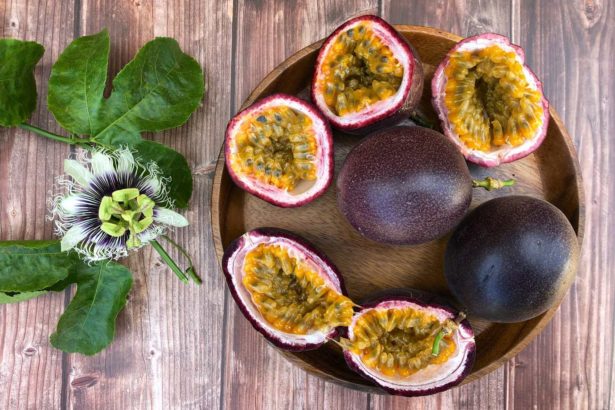
Passion fruit saved by a single hanging net, Chen Zhidong shares the sweetest way to eat it
Chen Zhidong / A single hanging net saved the passion fruit! How should you eat passion fruit to get the sweetest flavor?
-
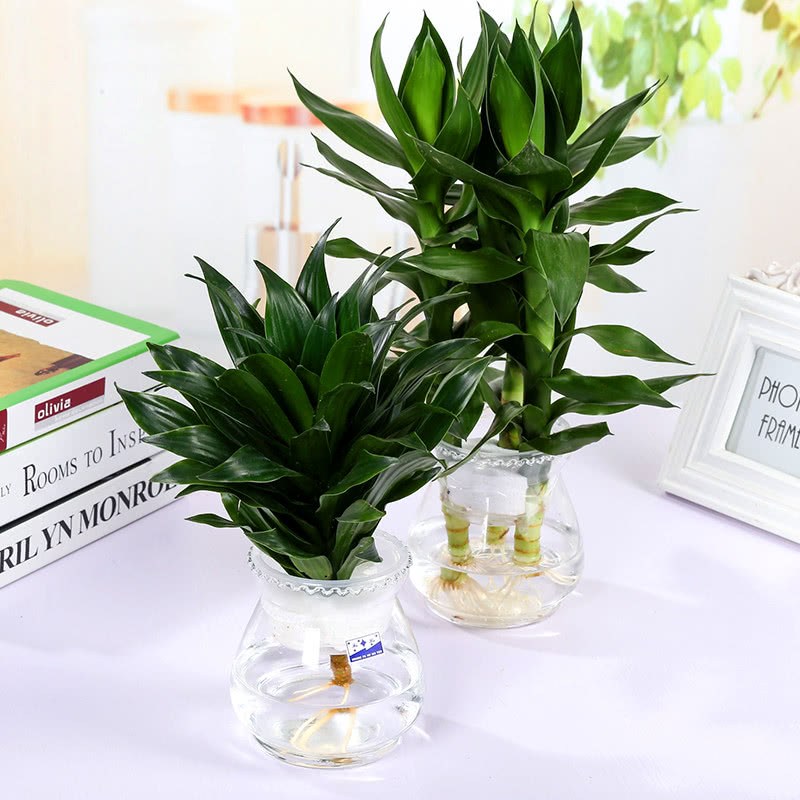
What to do about yellow leaves on lucky bamboo? Sister Zhang's single pill makes the leaves green and the roots strong
When modern people grow flowers, what they care about is no longer just how easy a plant is to keep and the appearance and features of the plant itself - even the symbolic meaning of the plant has been listed as a factor to consider when choosing flowers. Money tree, peace lily, lucky bamboo and others are all...
条件筛选