-

Taipei Mayor Ko Wen-je presides over the Jiangnan Market BOT inauguration ceremony
Taipei Mayor Ko Wen-je attended the inauguration ceremony of the Jiangnan Market BOT project building yesterday (the 14th). In his speech, Mayor Ko Wen-je said that Jiangnan Market was previously a sea-sand house building and had to be demolished and rebuilt for safety reasons. Later, the Jiangnan Alliance won the bid. This is Taipei's second BOT public market. After completion, it is a building with 3 basement levels and 9 above-ground levels. The 1st floor is a supermarket, the 2nd floor is a parent-child restaurant, and the 3rd floor and above are a hotel.
-
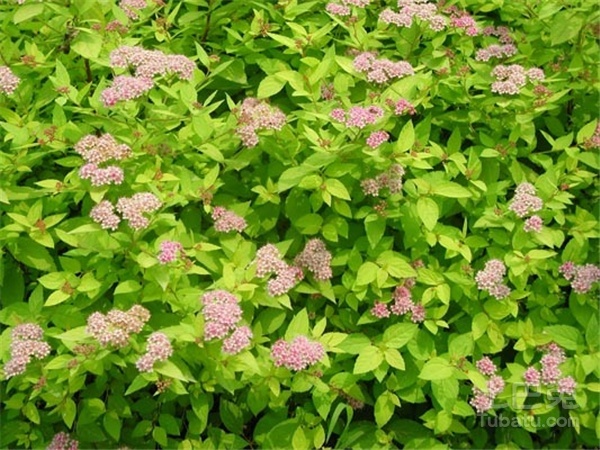
How to grow a Climbing Euonymus bonsai? Even a small potted plant involves considerable knowledge
Introduction: Climbing Euonymus (Euonymus fortunei) is an excellent landscaping plant, often used for vertical greening or as ground cover. When made into a bonsai, its roots are gnarled and vigorous, its trunk elegant and antique; in spring, summer and early autumn its leaves are deep green, and in late autumn after frost the whole tree turns red and does not fade for a long time. It is a very popular bonsai species in the north.
-
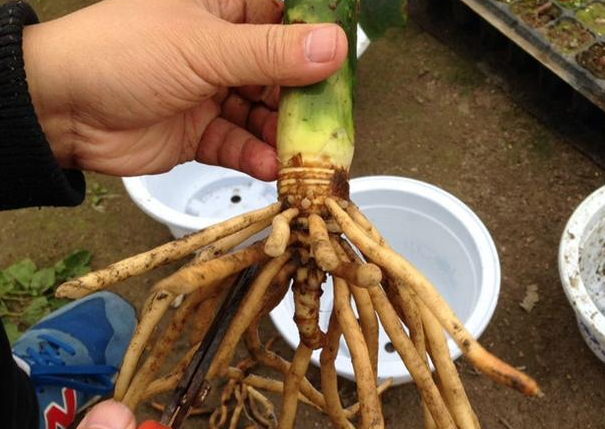
Under what circumstances does the clivia (Clivia miniata) grow side shoots, and what to do about root rot
When it comes to this clivia (Clivia miniata), many people absolutely love growing it. Under what circumstances does this clivia produce offsets? What to do about clivia root rot: 1. After removing it from the pot, first wash the roots clean, disinfect thoroughly, and soak in potassium permanganate solution. 2. Repot, using plain soil or pine needles to encourage rooting. 3. After potting
-
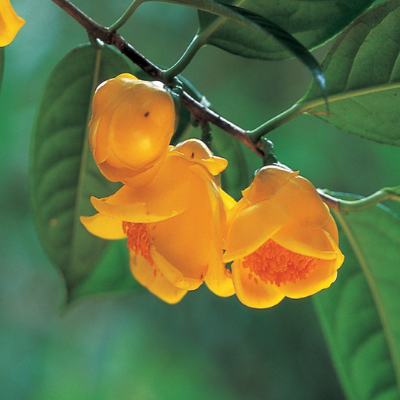
Does Golden Camellia cultivation technology have any side effects?
Golden Camellia, this plant is super beautiful, it is going to bloom, and the bloom is also super beautiful. What is this Golden Camellia cultivation technology like? Does Golden Camellia have side effects: Golden Camellia cultivation technology: 1. Create a suitable environment. Golden Camellia likes to grow in a semi-shaded, semi-cool, and humid environment, and needs regular ventilation.
-
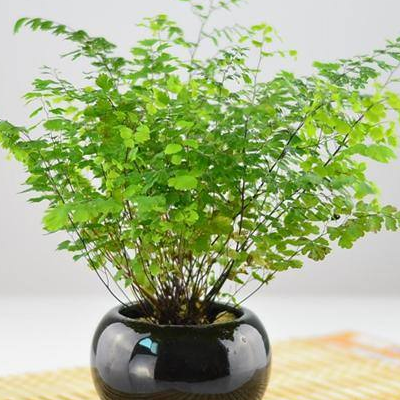
What to Do When Spores Grow on the Underside of Maidenhair Fern Leaves? A Detailed Guide to Propagation Methods
The maidenhair fern (Adiantum) is very well suited as an indoor ornamental plant and is a favorite of many, so what should you do when spores grow on the underside of maidenhair fern leaves? What propagation methods are there for maidenhair fern? What to do when spores grow on the underside of maidenhair fern leaves: 1. The spores won't grow very large, and they will fall off on their own when they are nearly mature.
-

Five Considerations for Formulating Rabbit Feed
Select ingredients according to local conditions. The selected raw materials must not only meet the nutritional needs of domestic rabbits, but also be adapted to local conditions, using locally available forage as much as possible. Pay attention to the diversity of feed. Combining multiple feeds can play a role in nutritional complementation. Pay attention to seasonal differences. In most areas of China, green fodder is scarce in winter and spring, and domestic rabbits are prone to vitamin deficiency, so supplementation should be noted. Pay attention to the palatability of feed. Domestic rabbits like bitter chicory, alfalfa (Medicago sativa), and soybean, and refuse moldy-smelling and fishy-smelling forage. Pay attention to the
-
Schisandra cultivation offers considerable economic benefits, with promising prospects
In recent years, the price of Schisandra, a genuine medicinal herb from Northeast China, has been rising year after year. From just over ten yuan per 1 kg, it rose to 100 yuan per 1 kg this autumn. And there is still an upward trend in the coming years. Schisandra cultivation experience: Seed selection. In late September, when the fruit is fully ripe, select fresh fruit with large clusters and tight berries, soak in clean water, rub off the shriveled grains, drain, mix with 2-3 times the volume of wet sand, and before the ground freezes, bury it outdoors in a high, dry spot. Site selection. For the seedling nursery, loose, fertile, well-drained sandy loam soil is best, preferably with irrigation available. Sowing
-
What is the most suitable temperature and humidity inside a snake enclosure?
Snakes are ectothermic animals, and changes in temperature greatly affect their growth and activity. Therefore, controlling the temperature and humidity inside a snake enclosure within the range suitable for snake growth and activity is another key issue in artificial snake farming. Generally, a temperature of 20-30°C is most suitable for the growth and reproduction of snakes. If it falls below 10-13°C, snakes curl up and become inactive; if in an environment above 40°C or below 0°C, weak and thin snakes will die in large numbers. So, in the process of artificially raising snakes, special attention must be paid to the outside
-
How profitable is it to grow honeysuckle on hillside land?
Honeysuckle is cold-resistant, drought-resistant and tolerant of poor soil, and growing it does not take up cultivated land. When honeysuckle is planted on hillsides or as part of the Grain for Green program and soil and water conservation efforts, the returns can be quite good as long as the techniques are right, making it a good way for farmers in mountainous areas to earn income. According to surveys, when honeysuckle is planted on field ridges with a clump spacing of 70-80 cm, it can cover the ridges within 3 years, protecting earth ridges from gullying and stone ridges from collapsing. At the same time, honeysuckle is not strict about climatic conditions and has strong drought resistance; there is a farming saying that "wild grass may die of drought, but honeysuckle will not die of drought." Its cultivation characteristics are: 1. Site selection and land preparation. Honeysuckle likes sun
-
What are the considerations when formulating feed for rabbits
Pay attention to selecting ingredients according to local conditions. The selected raw materials must not only meet the nutritional needs of domestic rabbits, but also suit local conditions, using locally available forage as much as possible. Pay attention to feed diversity. Combining a variety of feeds can play a role in nutritional complementation. Pay attention to seasonal differences. In most regions of China, green succulent feed is scarce in winter and spring, and domestic rabbits are prone to vitamin deficiency, so supplementation should be noted. Pay attention to feed palatability. Domestic rabbits like bitter lettuce, alfalfa (Medicago sativa), and soybean, and dislike forage with a musty or fishy smell. Be economical and practical. Fish meal
条件筛选