-
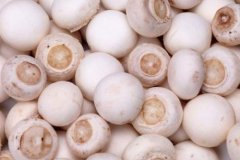
Is the underside of the Tricholoma mushroom cap and its interior turning black toxic, and can it still be eaten normally?
Tricholoma mushroom is also called white mushroom because it is white all over, and it is also a rare edible fungus with high nutritional value. But why do some Tricholoma mushrooms bought and left for a while turn black? Is the underside of the Tricholoma cap turning black toxic? Is the inside of the Tricholoma
-
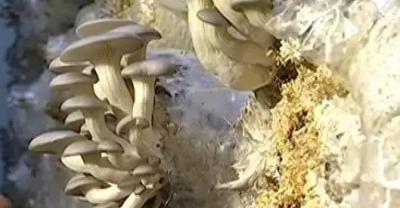
The secret of the edible fungi industry: scary from afar, keeps people around up close, and makes people successful when they step inside
Edible fungi from afar -> scares people to death; edible fungi up close -> keeps people around; edible fungi when you step inside -> makes people successful. Viewing edible fungi from afar -> feels like a myth; looking at edible fungi up close -> feels like the truth; using...
-

Detailed Explanation of the Double-Sided Fruiting Method for Oyster Mushroom Beds
Using the double-sided fruiting method for oyster mushroom beds (Pleurotus ostreatus) makes effective use of the mushroom house space and increases the yield per unit area of the beds. The key technical points are as follows: 1. Bed equipment. Build a frame inside the mushroom house with moso bamboo or standing timber, generally 2 m high, with 3 tiers of beds, each tier spaced 60-65 cm apart, and the length depending on the actual conditions of the mushroom house. There are two widths: 55 cm for single-side management and 110 cm for double-side management. The bottom board of each bed tier is made by nailing thin wooden slats, with each slat spaced (gap) 1.5-2 cm apart. 2. Spreading substrate and inoculation
-
Detailed Explanation of the Technique for Fruiting on Both the Front and Back Sides of Oyster Mushroom Beds
Using indoor frame-style cultivation of oyster mushrooms, fruiting simultaneously on both the front and back sides of the mushroom bed can, without increasing the substrate per unit area and without changing the substrate formula or the spawn sowing rate, produce an average of 16 kg of mushrooms per square meter of mushroom bed, and bring fruiting about 7 days earlier. 1. Setting up the mushroom bed frame structure: Build a frame indoors using materials such as moso bamboo, and fix the mushroom bed baseboard onto the frame. Generally the frame is 2 m high, with three tiers of mushroom beds, and the distance between tiers is 60-65 cm; beds managed from both sides are 110 cm wide, and beds managed from one side are 55 cm wide; the bed baseboard is made by nailing thin wooden boards, with 1.5-2 cm between each wooden strip. 2. Sowing: Select the Florida strain, which has a relatively broad suitable temperature range. Use the "layer sowing method": first lay a layer of plastic film on the mushroom bed baseboard, with a width 2.5 times the width of the bed baseboard, then spread a layer of substrate about 3 cm thick on the plastic film, then spread a layer of spawn, with the spawn layer no more than 1 cm thick; after spreading 4 layers of substrate and 3 layers of spawn in this way, press firmly, then cover the surface of the culture medium with a layer of water-soaked wet newspaper, and finally wrap the entire culture medium tightly with plastic film. 3. Fruiting management: About 60 days after inoculation, when the mycelium has basically finished colonizing the substrate, use a blade to make intermittent longitudinal cuts in the plastic film at the gaps on the back side of the mushroom bed baseboard. Each cut segment should be no longer than 15 cm, and both the horizontal and vertical spacing between cuts should be greater than 15 cm. Thereafter, each time the mushroom bed is watered, use a sprayer to spray an appropriate amount of water onto the cuts on the back side of the bed; other management is the same as conventional. After the first flush of mushrooms on the back side of the bed is harvested, the uncut plastic film on the back side of the bed can be slit open again with a knife. During the entire cultivation process, 2-3 flushes of oyster mushrooms can be harvested from the back side of the bed, with yield close to that of the front side of the bed.
-
What to do when mushrooms grow from the sides of the bag and many are deformed
During sterilization, the bags press against one another, the round bags become deformed, and gaps form between the substrate and the bag, providing air and space for the mycelium to knot together. Add low temperature, light stimulation and mechanical stimulation (such as turning the bags over), and the mycelium on the sides of the bag knots to form primordia, which develop into fruiting bodies. Because of the restriction of the plastic bag, these mushrooms are all deformed. When this happens, pinch and press the mushroom buds promptly to stop their growth, so as to avoid wasting more nutrients. The fruiting bodies are small and the marketable rate is low:
条件筛选