-
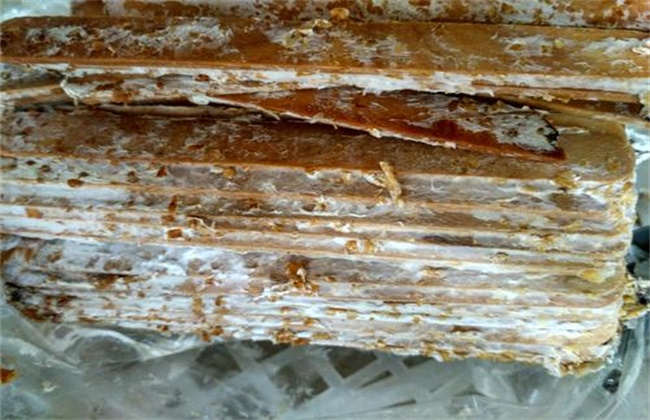
Analysis of the Causes of Edible Mushroom Mycelium Shrinkage and Control Methods
Causes of Edible Mushroom Mycelium Shrinkage and Control Methods
-

Taiwan's native largehead hairtail shrinks as origin prices rise year after year. Is China's practice of taking all sizes an opportunity or a crisis?
Taiwan's native largehead hairtail shrinks as origin prices rise year after year. Is China's practice of taking all sizes an opportunity or a crisis?
-
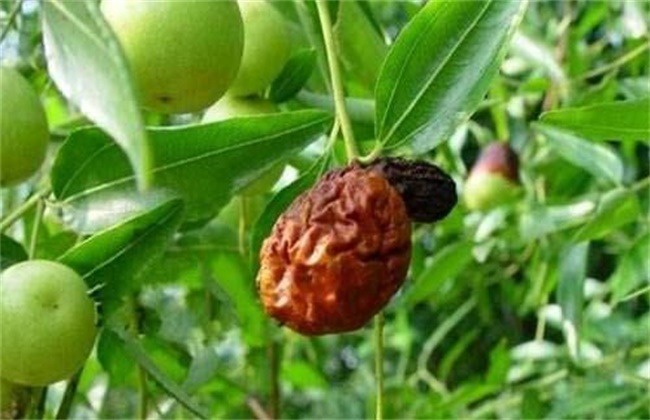
How to prevent and control winter jujube fruit shrink disease? Understand the key techniques in one article
Prevention and control techniques for winter jujube fruit shrink disease
-
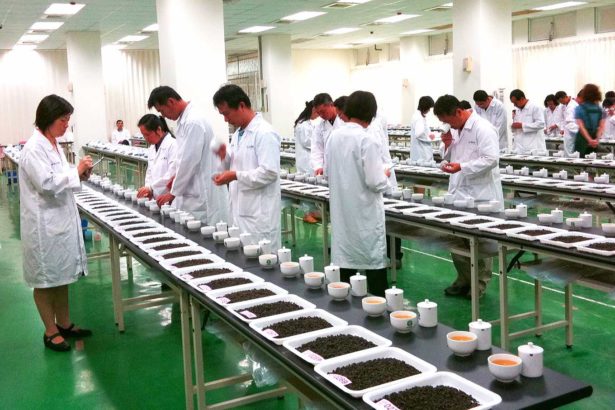
Tea Region Shrinks, Yet Over Five Thousand Entries in the Dong Ding Tea Competition: Where Does the Tea Come From?
The Vanishing Tea Mountain 02"The tea region shrinks, yet entries in the "Dong Ding tea" competition exceed five thousand: where does the tea come from?
-
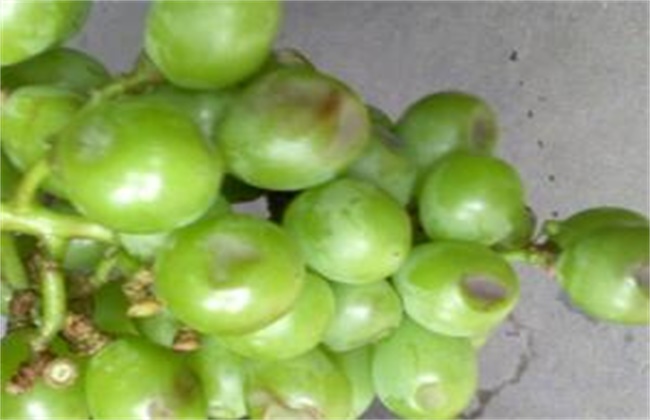
What to Do About Grape Berry Shrinking? Detailed Analysis of Causes and Control Measures
Causes of Grape Berry Shrinking and Control Measures
-
Smuggled meat frequently appears on the market, and the shrinkage of China's domestic beef cattle industry is worsening
Smuggled meat frequently appearing on the market worsens the shrinkage of China's domestic beef cattle industry
-
What to Do When Straw Mushroom Mycelium Shrinks? Causes and Control Methods
1. Using inferior spawn: Spawn that is too old or too young, degenerated spawn, weak mycelial vitality, poor stress resistance, or spawn stored for a long time in environments with temperatures that are too low or too high can all lead to failure to germinate after spawning and shrinkage of mycelium in the spawn blocks. Control: Select spawn of the appropriate age and high quality, and ensure the temperature during the cultivation process does not get too low. 2. Improper control of compost temperature: When the air temperature is high, the compost is too thick, and the mushroom house has good insulation, the temperature inside the compost after spawning exceeds 42°C for an extended period, which causes mycelium to shrink and die, resulting in burning of the mycelium.
-
Experimental Methods and Results Analysis for the Control of Jujube Fruit Shrinkage Disease
In recent years, jujube fruit shrinkage disease has become increasingly severe. Jujube fruit generally becomes affected at the white fruit stage, and often a large number of fruits drop within a few days. In ordinary years the incidence rate is 5%-8%, and in severe cases the proportion of diseased fruit reaches over 30%. Diseased fruit tastes bitter and is unfit to eat, seriously affecting the quality and yield of jujube fruit. Because opinions differ from place to place on the pathogenic factor of this disease, and it was discovered in our county only just over 10 years ago, there is still no successful experience in controlling it. After consulting materials from many sources and conducting field observations, the fruit tree station formulated an experimental plan for the control of jujube fruit shrinkage disease and achieved fairly good results.
-
What are the control methods for mushroom mycelium shrinkage?
In mushroom cultivation, it is common to encounter mycelium that does not colonize the substrate after germination, turns yellow and shrinks, seriously affecting the development of mushroom production. The causes and control methods are described below: 1. High-temperature burning of the mycelium. The sowing period has high temperatures, the compost is too thick, and the substrate temperature does not steadily drop after fermentation, so the temperature inside the compost rises above 30°C. Control methods. The sowing period for mushrooms should avoid the high-temperature period; at sowing time the substrate temperature should be stable below 25°C. If mycelium is found to have shrunk due to high temperature after sowing, the pile should be turned again for ventilation, and then
-
How to prevent and control jujube fruit shrinkage disease? Understanding the occurrence pattern is key
Jujube fruit shrinkage disease, also known as jujube iron skin disease, jujube black rot, jujube dry waist fruit shrinkage disease, jujube wilt fruit disease, wu chao, wu luo tou, wu chao, tie jiao, etc., was first officially reported in China in the late 1970s. It is found throughout all major jujube-growing regions nationwide, and its damage is becoming increasingly severe, having already become a devastating disease in jujube production. In recent years, the disease has become increasingly serious in jujube-producing areas of Shanxi Province, becoming an important factor affecting jujube yield and commercial quality. However, current reports on the pathogen and control patterns of this disease are inconsistent, and no effective control method has been found
条件筛选