What to Do About Grape Berry Shrinking? Detailed Analysis of Causes and Control Measures
Grapes are a fruit we eat often in daily life, with a sweet and sour taste and high nutritional value, and they are deeply loved by consumers. However, berry shrinking during grape cultivation is a headache-inducing phenomenon that seriously affects the normal growth of grapes, reduces yield and quality, and brings economic losses to fruit growers. So what causes grape berry shrinking? And how should it be controlled? Let's learn about it together.
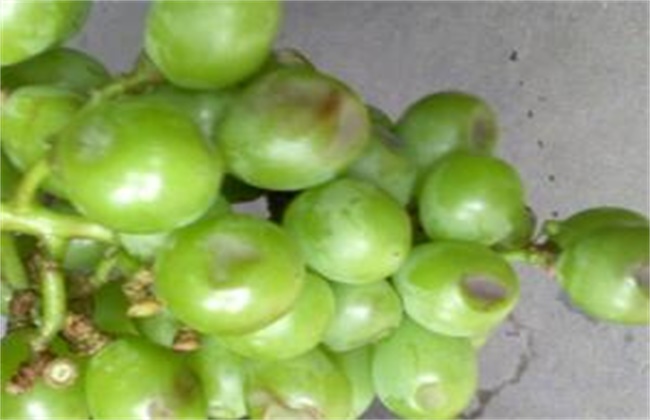
1. Symptom manifestation
It begins with the formation of small light brown spots inside the flesh, which then gradually expand. In severe cases, the skin turns black, and light brown, dark red, or dark gray patches also appear on the affected parts, with the diseased area becoming sunken. When the skin of the diseased part is peeled back, the local flesh appears as if it has been bruised, and after the fruit ripens, the hardness of the flesh in the diseased block remains the same as before.
2. Causes
Berry shrinking disease generally occurs under high temperature conditions. The main causes are insufficient water, imbalance of hormones such as ethylene, and deficiency of trace elements such as boron and calcium. When soil moisture remains high for a long time, the opening and closing function of the leaf stomata becomes blunted. If the temperature then continues to rise, the leaves evaporate too much water and cannot absorb sufficient water from the root system, so the leaves draw water away from the fruit, thereby triggering berry shrinking disease.
3. Control measures
Carry out intertillage to improve soil aeration, ensure a balance between aboveground and underground moisture, and ensure root vitality throughout the entire growth period. Deep ditches can be dug in the orchard to drain water in time and ensure water balance between the aboveground and underground parts. Apply more organic fertilizer to thoroughly improve the soil's physical properties, increase the soil's organic matter content, and make its water permeability, water retention, and aeration all better. It can also provide sufficient nutrients for plant growth and fruit development. At the same time, control the application of nitrogen fertilizer, so as to avoid excessive vegetative growth of branches and leaves within a year and competition with fruit growth for water and nutrients. Remove affected berries in time to avoid ineffective nutrient consumption. Boron and calcium fertilizer can be applied through foliar fertilizer. It is recommended to apply it once before flowering and spray it continuously 2-3 times during the young fruit swelling stage, to increase nutrient supply, strengthen tree vigor, and improve disease resistance.
The above is an introduction to the causes of grape berry shrinking and control measures. We hope it can help you. To learn more related knowledge, please keep following us.