-

How to Propagate Lotus Root? A Detailed Explanation of Several Common Methods
-- Lotus seed propagation. Since lotus seeds are covered with a hard shell, first crack open the sunken end of the shell, then soak it in water at 26-30°C to promote germination. Once the sprout emerges, it must still be kept submerged in water to prevent dehydration and shriveling; when it grows to 4 leaves and 1 rhizome runner, it can be planted out in the field. Because lotus seed propagation grows slowly in the early stage, seedlings must be raised in a protected area 1 month in advance so that lotus roots of commercial value can form in the same year. -- Whole lotus root propagation. Plant the entire main lotus root together with its daughter roots and granddaughter roots at a certain row and plant spacing; the planting method is to insert the top end into the mud, with the tail tip exposed
-
Several Causes of Fish Gasping at the Surface and Their Prevention and Treatment Methods
Fish "gasping at the surface" is a phenomenon that frequently occurs in aquaculture production, and it is also an important sign for judging whether fish are diseased and whether water quality has changed. However, many farmers, after discovering pond fish "gasping at the surface," do not understand the cause and simply apply medication based on "experience," which often proves ineffective and may even cause mass mortality. In fact, fish "gasping at the surface" can be caused by multiple factors. According to the cause, "gasping at the surface" can be divided into the following 3 types. 1. Hypoxia-induced gasping. Hypoxia-induced gasping is caused by excessively low dissolved oxygen content in the water, causing cultured fish to swim to the relatively higher surface
-
How are shiitake mushroom seasonings processed? An introduction to several common methods
1. Shiitake mushroom soup base: Take 100g shiitake mushroom powder, 350g table salt, 100g white sugar, 80g monosodium glutamate (MSG), and 1g white pepper powder, and mix thoroughly to make it. This soup base can be used as a seasoning for foods such as noodles, fast food, dumplings, and wontons, and can also be used as a condiment and seasoning for various cold dishes and vegetarian soups. 2. Shiitake mushroom soy sauce ① Raw material formula. 100L shiitake mushroom concentrate, 25kg table salt, 100g Sichuan pepper, 100g pepper, 150g star anise, 750g ginger, 5kg high-quality soy sauce, 0.1kg citric acid
-
How can spent mushroom substrate be reused? Here are several practical methods
In rural areas, some mushroom growers lack awareness of environmental protection. After the growing season ends, they move the spent substrate out of the mushroom house and let it rot in the open, which both pollutes the environment and wastes a usable resource, which is truly a pity. How can spent mushroom substrate be turned from waste into treasure? Here are 4 methods for reusing spent mushroom substrate that you might want to try. 1. As a substrate for cultivating shaggy ink cap mushrooms (Coprinus comatus). Spent substrate from mushroom cultivation, as long as the mycelium grew well and the substrate was not contaminated by competing microorganisms, can be sun-dried and crushed, then added at 30% to new substrate for cultivating shaggy ink cap mushrooms, and its economic benefit
-
Several Simple Preparation Methods of Green Fish Medicines
In the prevention and treatment of fish diseases, if local green plants or Chinese medicinal herbs can be used to prepare fish medicines, it can not only prevent and treat common diseases such as red-skin disease, enteritis, and gill rot, but also save costs. Several simple preparation methods of green fish medicines are introduced below: 1. Sanhuang powder: prepared from rhubarb, Phellodendron amurense (Amur cork tree bark), and Scutellaria baicalensis (Baikal skullcap) in a ratio of 5:3:2. When in use, add 1 kg of "Sanhuang powder" and 0.4 kg of table salt to every 10 kg of fish feed, add an appropriate amount of water, and make granular medicated bait for feeding. Once a day, for 5 consecutive days; the treatment effect is significant in the early stage of the disease.
-

A detailed introduction to several propagation methods for lotus root
Several propagation methods for lotus root
-
Introduction to several common propagation methods for lotus root
-- Lotus seed propagation. Since lotus seeds are covered with a hard shell, first crack the sunken end of the shell, then soak it in water at 26-30°C to promote germination. Once the sprout grows, it must still be kept in water to prevent dehydration and shriveling. When it reaches 4 leaves and 1 runner, it can be planted out in the field. Because lotus seed propagation grows slowly in the early stage, seedlings must be raised in a protected area 1 month in advance to form lotus root of commercial value in the same year. -- Whole lotus root propagation. Plant the entire main lotus root together with its daughter lotus roots and granddaughter lotus roots at a certain row and plant spacing. The planting method is to insert the top end
-
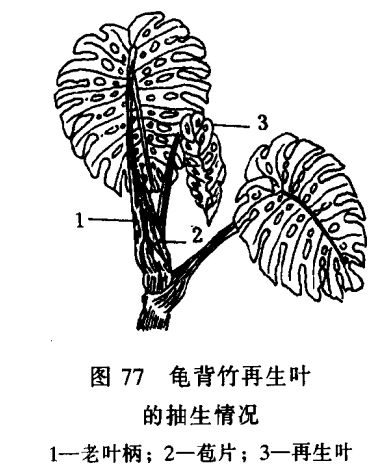
How to Propagate Monstera deliciosa? Several Practical Methods
For Monstera deliciosa grown in pots in northern China, because a constant temperature cannot be maintained year-round, although perennial old plants do flower, they rarely set fruit, so stem cuttings are used to propagate new plants. Potted Monstera deliciosa usually has only a single stem, and as new leaves emerge the stem keeps extending forward, rarely producing side branches
-
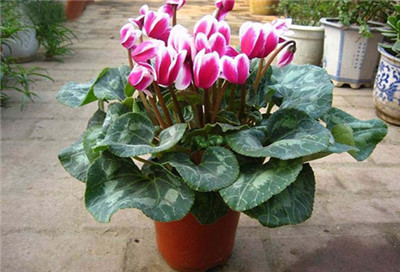
How to propagate cyclamen? An introduction to several common methods
Cyclamen is mostly propagated from seed, and propagation requires certain conditions that must be met, otherwise it easily leads to propagation failure or a decline in quality. When propagating, pay attention to the following: 1. Choose robust plants as mother plants. During the flowering period, select plants with good flower color, beautiful flower shape and robust growth as mother plants
-
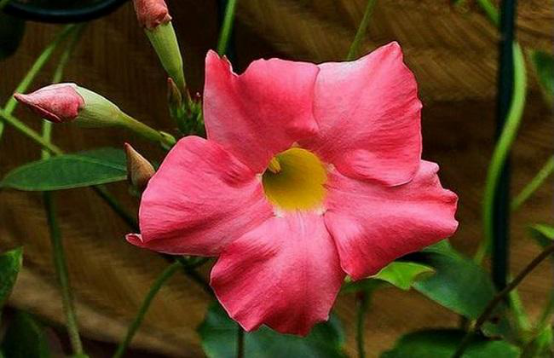
How to propagate Dipladenia? An introduction to several common methods
The most suitable growing temperature for Dipladenia is 20-31°C, with spring being the most suitable; it should not be cultivated below 10°C to avoid cold damage. Dipladenia has strong adaptability to soil and especially loves sandy soil rich in humus. It is generally propagated by sowing or cuttings, selecting semi-lignified branches.
条件筛选