-
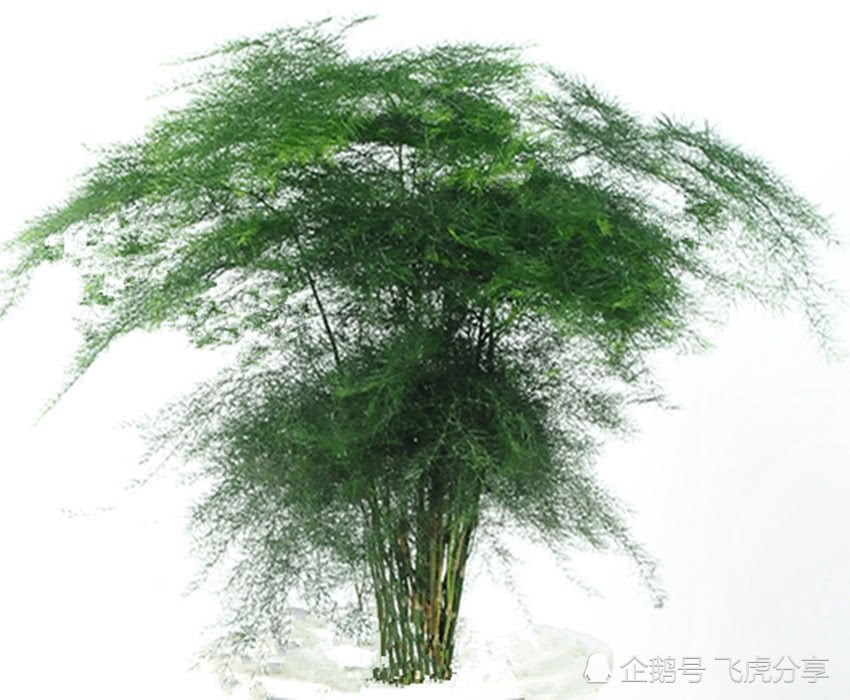
How do you care for an asparagus fern (Asparagus setaceus) so its branches and leaves stay emerald green, elegant and graceful, and it grows vigorously? Expert growing tips
The asparagus fern has soft, slender, jointed stems and fine, delicate leaf branches, making it especially popular. Keeping one indoors makes a room look especially elegant and refined. The ornamental value of the asparagus fern lies in its slender, emerald-green branches and leaves and its graceful plant shape. So how do you grow an asparagus fern...
-
What causes the leaves of the cloud bamboo (Asparagus setaceus) to turn yellow?
There are many reasons why the leaves of the cloud bamboo (Asparagus setaceus) turn yellow. If it is caused by improper watering, water it promptly and appropriately, keeping the soil dry-then-wet. If it is caused by light that is too strong, move it promptly to a semi-shaded spot for care. If it is caused by temperature that is too low, move it indoors to grow, and the temperature must not be lower than 10 degrees. If it is caused by improper fertilizing, water it promptly and appropriately to wash the fertilizer away.
-
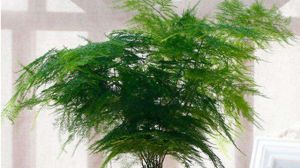
Can't keep your asparagus fern (Asparagus setaceus) healthy? Good fertilizing will keep it lush and green
Huahua has noticed that many quieter friends love growing asparagus ferns, especially quiet, somewhat introverted male friends. Yes, the asparagus fern really is just like its name - elegant and charming. Since ancient times, there have been poets who loved asparagus ferns, and beside their desks or on their windowsills there was always a pot of asparagus fern sitting quietly.
-
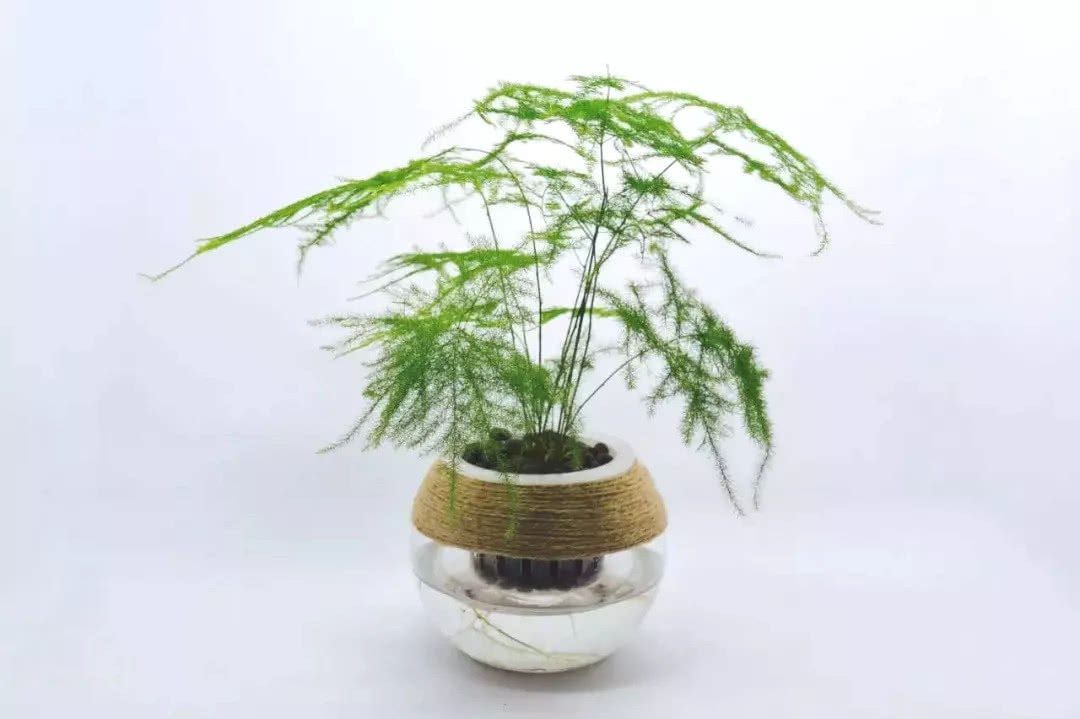
How to grow asparagus fern (Asparagus setaceus) to avoid yellow leaves
Asparagus fern is a plant that enhances the style of a home when placed indoors, but it also frequently develops yellow leaves. So how exactly should asparagus fern be cared for? When it comes to watering, watering is a key factor in its care...
-
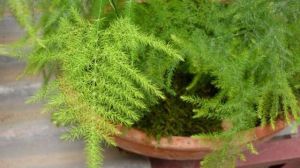
How to propagate asparagus fern (Asparagus setaceus) by cuttings? You'll get it right away with these detailed steps
When taking asparagus fern cuttings, choose a branch with fairly lush leaves, use a knife to make a cut on the stem, apply moss to it, and place it in a ventilated, shady spot. When a nodule forms at the wound, cut it off, insert it into a pre-prepared cloth bag filled with moist soil, and then plant it together into a flower pot. It will root in about a month.
-
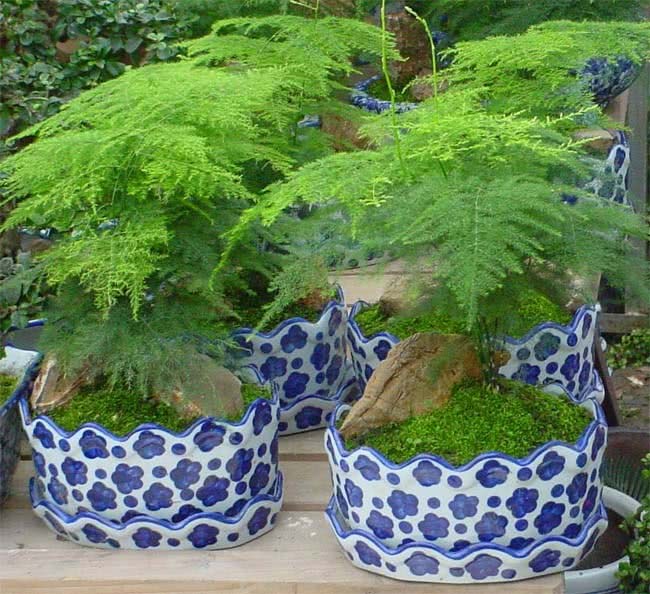
What is the difference between Asparagus cochinchinensis and Asparagus setaceus? How to care for them properly
Today I went on a picnic with friends. One friend asked, this plant looks so much like Asparagus setaceus, only the stems look so thick, and the stems and leaves all seem to droop downward, so strange, it doesn't feel like another variety of Asparagus setaceus. After hearing this, I...
-
Potted asparagus fern (Asparagus setaceus) won't get yellow leaves or root rot - bury a little of this in the flower pot and it works better than fertilizer
Bury a little of this in the flower pot, and potted asparagus fern won't get yellow leaves or root rot - it works much better than fertilizer! ...
-
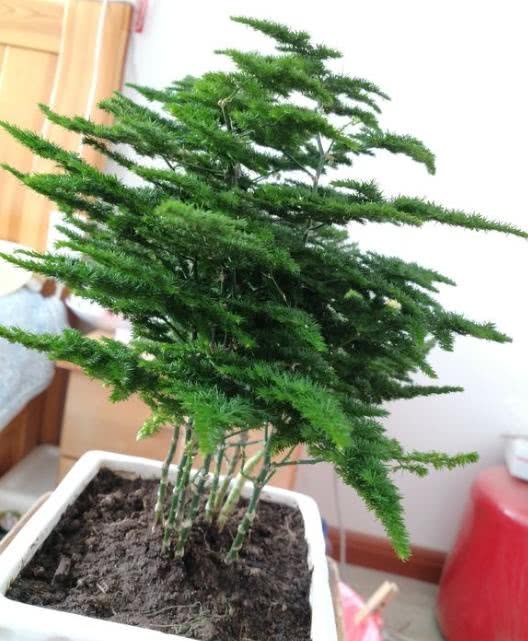
Don't panic if your asparagus fern (Asparagus setaceus) has yellow leaves - just repot it and it will turn green again
We grow asparagus fern mainly to admire its leaves, but often as we care for it, we find the leaves turning yellow, and the plant gets weaker and weaker, as if it's about to collapse at any moment. But there are ways to fix it, so follow along with Huahua...
-
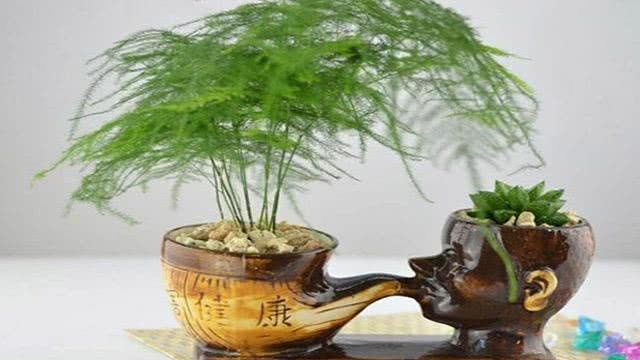
What to do when your asparagus fern (Asparagus setaceus) isn't thriving? Use this to say goodbye to yellow-leaf worries
We'd best use liquid fertilizers such as cake fertilizer and sesame paste residue, and there's also slow-release fertilizer; besides these, inorganic compound fertilizer is also feasible. Cake fertilizer once every ten days is fine. Sesame paste residue can be used in smaller amounts each time, but more often. Slow-release fertilizer works best...
-
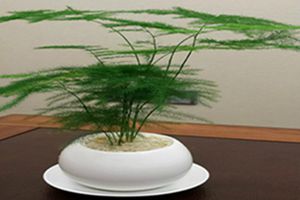
A detailed guide to the correct way to convert asparagus fern (Asparagus setaceus) from soil culture to water culture
First remove the soil, keeping most of the soil on the main roots. Then wash its roots clean, remove the bad roots, and then disinfect them. Choose a container with a relatively large opening, insert it and then pour in water; the water must not be higher than its roots. Then sprinkle water on its leaves to keep them moist enough. At the start, change the water once every three days, and after half a month change it to once every four or five days.
条件筛选