-

What is the difference between the silk tree and the sensitive plant? An introduction to the uses of both
As is well known, flowers of the same genus are usually somewhat similar, just like the silk tree and the sensitive plant. Although they share similarities in leaf shape and growing adaptability, they are ultimately two different species, so how could a qualified gardener confuse them? The following text will distinguish them based on various subtle details
-

What are the latest flower meanings and legends of the sensitive plant (Mimosa pudica)?
The sensitive plant is also known as the touch-me-not, the shy plant, the shouting plant, the shamefaced plant, the laughing plant, the husband-and-wife plant, the bashful plant, and so on. It is a perennial herb or subshrub in the Fabaceae family. Because its leaves respond to heat and light and close immediately when touched by an external force, it is named the sensitive plant.
-
What are the characteristics of the sensitive plant (Mimosa pudica)? The latest explanation is here
The sensitive plant is native to the tropical regions of the Americas and is a perennial herbaceous plant of the genus Mimosa in the Fabaceae family. Because of its own unique physiological habits, it has many alternative names and nicknames, such as laugh-seeing grass, sensing grass, he-hu grass, shame-knowing grass, shy grass, bashful grass and husband-and-wife grass
-
Does the sensitive plant (Mimosa pudica) close when touched, and will it bloom and set seed in summer?
Mimosa pudica is a perennial herb or subshrub of the Fabaceae family. It gets its name because its leaves react to heat and light and close immediately when touched by external force. So will the delicate Mimosa pudica bloom and set seed in summer? According to Ms. Li, manager of a flower shop in Changsha
-
A Complete Guide to 40 Pesticide-Sensitive Crops, Worth Saving Before You Plant
As temperatures gradually warm up, pests and diseases become more common, and chemical control is an indispensable means of dealing with them. Some pesticides work very well but cannot be sprayed on sensitive crops. Below is a list of common pesticides, with the crops sensitive to each one listed after them.
-
Mimosa Pudica Turning Yellow in Winter: Will It Die? Learn the Right Way to Save It
Mimosa pudica (sensitive plant) originated in the rainy regions of South America. Under natural selection, in order to withstand the battering of fierce wind and rain, mimosa pudica generally closes its leaves rapidly when touched by rainwater or external contact. To humans this looks like shyness, but it is actually just a kind of self
-
-
A Detailed Guide to Propagating Mimosa pudica (Sensitive Plant) from Seed
A notable feature of Mimosa pudica (sensitive plant) is that its leaves are extremely sensitive and capable of thigmonastic movement: a light touch with the hand makes the small leaflets immediately fold together from left to right; with a firmer touch, even the pinnae and the petiole droop down at 60 degrees. At night it likewise assumes a dormant, drooping posture, and it shows the same response to sudden cold or electrical stimulation.
-
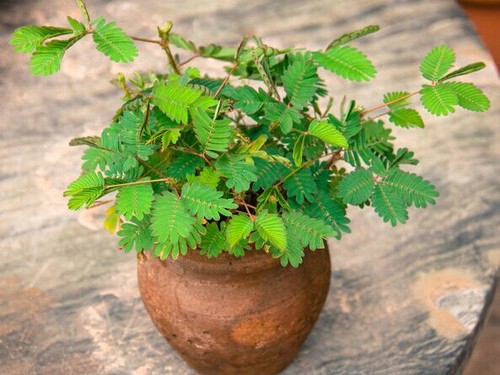
What about the sensitive plant? A detailed guide to sensitive plant care
The sensitive plant (Mimosa pudica) is a fascinating plant that can predict changes in the weather. If you touch it with your hand, its leaves close up quickly, and when they open again it is very slow, which indicates that the weather will clear up; if, when you touch the sensitive plant, its leaves contract slowly and droop sluggishly, or even close slightly and then open again
-

Why does the sensitive plant shy away? A big reveal of plant secrets
Why does the sensitive plant shy away? A big reveal of the sensitive plant's secrets
条件筛选