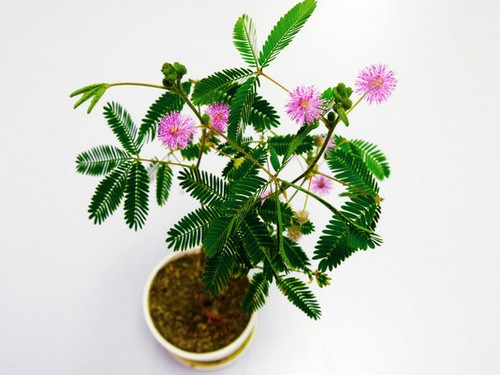
Why the Sensitive Plant Closes Up: The Mechanism Behind Leaf Folding
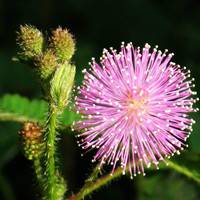
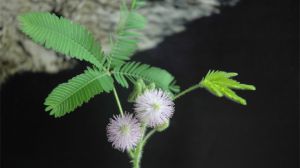
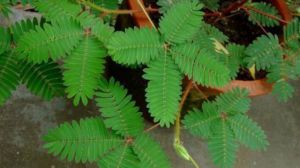
The sensitive plant (Mimosa pudica) is a herbaceous plant in the legume family, and its most talked-about trait is that its leaflets snap shut the moment they are touched; with a stronger stimulus, even the leaf stalk droops, making it look as if it is shyly bowing its head, which is where its name comes from.
The reason it contracts lies in a special structure at the base of each leaf called the pulvinus. Normally the pulvinus cells are full of water and have high turgor pressure, holding the leaflets firmly open; once triggered, the stimulus signal travels quickly through the plant, the cells at the pulvinus rapidly lose water, turgor pressure drops, the leaflets fold together in pairs, and the leaf stalk droops as well. After the stimulus passes, the cells take up water again and the leaves slowly spread back out.
This contraction response is generally considered a form of self-protection. The sensitive plant originated in tropical regions with frequent wind and rain, and closing its leaves during strong winds and heavy rain can reduce damage to the leaflets; suddenly folding up when insects or animals come to nibble on it can also provide some defense, while helping to reduce water loss.
It is worth noting that after repeated touching, the sensitive plant will temporarily stop closing up. This is not a sign of illness but simply means it needs time to recover, and handling it too often will actually affect its growth. In addition, it contains trace amounts of mimosine, so it is best enjoyed as an ornamental; avoid letting the sap touch your mouth or nose, and try to keep it somewhere children and pets cannot easily reach.
Related Reading