-
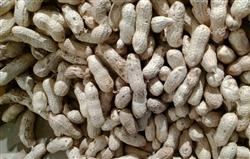
How to choose peanut seeds? Practical selection tips shared
How do you choose peanut seeds? What methods can distinguish good peanut seeds from bad ones? We also ask experienced readers to help explain. The nutritional value of peanuts is so high that even some animal-based foods known as premium nutritional products, such as eggs, milk, and meat, are outmatched by peanuts. Therefore, peanuts are grown in China in Shanxi,...
-
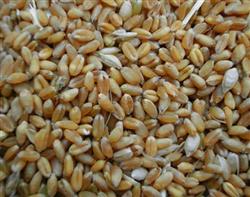
What kind of wheat seed is good? Master these selection criteria
What kind of wheat seed is good? Are there any methods to tell them apart? I hope some readers can help explain. For high wheat yields, good seed is key, and before sowing, choosing a suitable wheat seed is the most important thing. What kind of wheat seed is good? Zhongdiwang has compiled methods for selecting and buying wheat seed, listed below for...
-
How to choose tomato seeds? Master these selection tips
How to choose tomato seeds? How should seeds be handled properly? Please explain and guide. For methods of selecting tomato seeds, you can refer to the following: 1. The selection of seeds should be based on the growing season, cultivation method and market demand to choose a suitable tomato variety. Excellent tomato varieties should have characteristics such as disease resistance, high yield and good quality. ...
-
Spring planting techniques and variety selection methods for sweet corn
Everyone enjoys eating fresh sweet corn. It has a large market capacity, high yield, and good returns. From sowing to harvesting fresh cobs takes about 90 days, so it does not affect the planting of hybrid rice. It is a good grain-and-cash cropping model that can produce a thousand jin of grain and a thousand yuan per mu. Summarizing recent cultivation practices, to grow spring sweet corn well, the following points should be done well: 1....
-
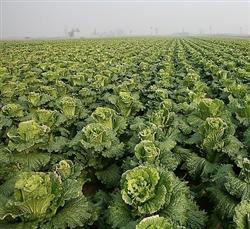
Napa Cabbage Seed Selection Methods and Cultivation Techniques Explained in Detail
Napa cabbage is a leafy vegetable with a large number of leaves, and it forms a head (leaf ball) that is the main harvested organ. Generally, the yield can reach 4000-5000 kg per mu. Napa cabbage has a long growth period, and to achieve high yields, several key techniques must be mastered: 1. Apply sufficient base fertilizer: base fertilizer is the foundation for a bountiful napa cabbage harvest. Generally, old vegetable...
-
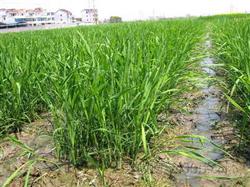
Key Technical Points for Seed Selection and Purification-Rejuvenation of Water Bamboo (Zizania latifolia)
When selecting seeds for planting water bamboo, the "three selections" are generally carried out, namely primary selection, re-selection and fine selection. Six to seven days before the autumn water bamboo harvest, the primary selection is carried out. The method is to select plants with medium height, large fleshy stems, flat stalks, long leaf sheaths, and uniform, neat growth, matching the variety's characteristics, as seed plants. During the water bamboo harvest period, the re-selected plants are those from which gray water bamboo and male...
-
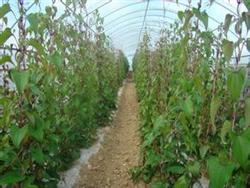
Key Technical Points for Site Selection, Land Preparation and Fertilization in Yam Cultivation
How should yams be managed after planting? From planting until trellising, timely cultivation and weeding should be carried out; later cultivation should be shallow rather than deep, so as not to damage the roots. A few days after the yams emerge, they begin to send out vines, so supports must be set up immediately to train the vines; to increase the light-receiving area, a trellis height of about 1.5 is best. After sowing and until the vines grow, manure can be spread on the ground surface, spread...
-
Detailed Explanation of Lotus Root Seed Selection and Seed Retention Techniques
(1) Selection and breeding. Lotus root selection and breeding mainly includes methods such as asexual selection and sexual crossbreeding. 1. Asexual selection. China has abundant lotus root germplasm resources, which provides excellent conditions for asexual selection. In recent years, varieties bred from superior plants of asexual lines include Kexuan No. 1, Elian No. 1, Zhehu...
-

Detailed Guide to Purple Sweet Potato Cultivation: The Whole Process from Seed Selection to Harvest
Purple Sweet Potato Cultivation Techniques
-

Selection of Greenhouses for Colorful Bell Peppers and Key Cultivation Techniques
The colors of colorful sweet peppers include red, golden yellow, purple, light purple, cream yellow, and others. The fruit shape is square and large, the skin is smooth, and the flesh is thick, with flesh thickness reaching 5 to 7 mm, single fruit weight 200 to 400 grams, and a maximum of up to 500 grams; the taste is sweet and crisp, the nutritional value is high, and it is suitable for eating raw. Colorful sweet peppers are tolerant of low temperatures and weak light, and have a long growth period. In recent years, China has introduced colorful sweet peppers from countries such as the United States, the Netherlands, and Israel, planting them in the suburbs of Beijing, Shanghai, and other cities, with good results, and they have developed rapidly nationwide. The greenhouse cultivation techniques are now
条件筛选