Goat pox with secondary pneumonia has a high mortality rate; how can it be prevented and treated?
Goat pox includes sheep pox and goat pox. Goat pox affects goats, and goats and sheep do not infect each other. Goat pox virus is the pathogen of goat pox. The main source of infection is diseased goats, and it invades the body through the respiratory tract or through damaged skin or mucous membranes. Herders, contaminated feed, bedding, utensils, hide and wool products, and external parasites are all transmission vectors. Goat pox is an acute, febrile, contagious infectious disease that mostly causes characteristic pox lesions on hairless or sparsely haired skin and mucous membranes.
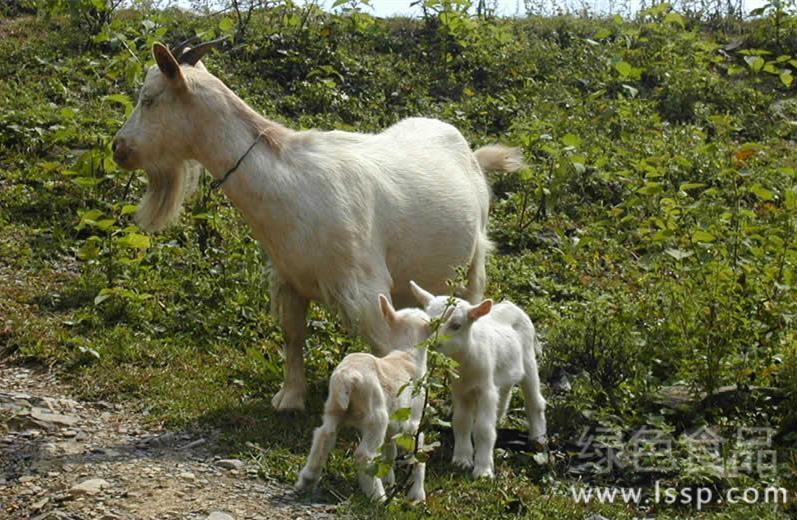
Goats
The incubation period of this disease is 6 to 8 days. The goat's body temperature rises to 41 to 42 degrees C, and there is catarrhal purulent inflammation of the nasal cavity and conjunctiva. Dark red macules appear on the skin of hairless or sparsely haired areas such as the face, udder, vulva, and inner sides of the limbs, and quickly become papules. The rash areas gradually enlarge, forming round, oval, and irregular raised bumps. In thin and weak goats, especially lambs, the pox spreads over the whole body, affects the internal organs, and causes obvious reactions, secondary severe pneumonia, abortion or stillbirth in pregnant goats, and a very high mortality rate. Therefore, attention should be paid to the prevention and treatment of goat pox.
1. Immunization injection:
Vaccinate regularly every year. All healthy goat herds should be vaccinated with attenuated goat pox vaccine, 0.5 ml per animal, by intradermal injection under the tail or on the inner side of the thigh. Protective antibodies are produced about 1 week after vaccination.
2. Feeding management:
Strengthen feeding management and keep the pen clean and hygienic. Provide intensive care for diseased goats, pay attention to hygiene, and give soft, tender, and easily digestible feed. The pen should be warm but also well ventilated. It is best to graze on sunny days and let the diseased goats bask in the sun. Especially during the rash stage, strengthen warmth retention, spread bedding, and supply warm water.
3. Timely treatment:
For pox sores on diseased goats, apply iodine tincture or gentian violet for symptomatic treatment; after vesicles or pustules rupture, first wash with 3% carbolic acid, then apply medicine; for lesions on mucous membranes, first wash with 0.1% potassium permanganate, then apply iodine glycerin or gentian violet.
4. Disinfection and elimination of the source:
Goat sheds, goat farm environments, utensils, and drinking water should be disinfected regularly to kill pathogenic microorganisms. Goats that have already become ill should be isolated and treated promptly. Carcasses of dead goats must be buried deeply, and goat pens and utensils must be disinfected.
5. Careful introduction of breeding stock:
Goat pox is an acute contagious infectious disease, and prevention is more important than treatment. It is strictly forbidden to introduce breeding stock from epidemic areas. When introducing breeding stock from non-epidemic areas, it is also necessary to understand the local epidemic situation and the immunization status of goats, and obtain a quarantine qualification certificate from the animal epidemic prevention department of the place of origin. After arrival, isolate and observe for about 20 days, and only mix them with the herd after confirming that they are disease-free. If suspected cases of goat pox are found, report them promptly to the local animal husbandry and veterinary department, and strive for timely and standardized treatment to reduce losses.