-

Reasons for and Solutions to Broken Cropping in the Second Strawberry Harvest
Strawberries face many pests and diseases during their growing period. Only by managing pests and diseases well according to different stages can they keep flowering and fruiting; otherwise, with few flowers and few fruits, broken cropping becomes quite common. After the first harvest, the second flush has very few flowers, and some plants have no fruit at all.
-
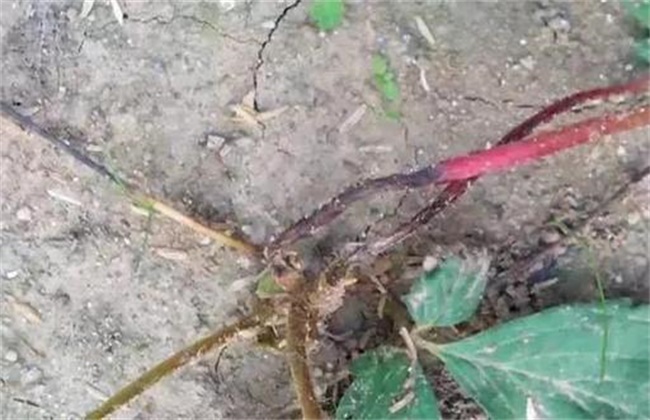
Causes of and Solutions for the Second-Crop Strawberry Plants Failing to Produce Fruit
Causes of and Solutions for Second-Crop Strawberry Plants Failing to Produce Fruit
-

Rice policy promotes first-crop rotation and second-crop conversion to landscape crops to stabilize production and sales
At present, the area of first-crop and second-crop rice paddies in our country is about more than 270,000 hectares. Council of Agriculture Minister Chen Chi-chung said in an interview after a press conference on the 24th that, according to estimates by the Agriculture and Food Agency, the rice paddy area must fall to about 250,000 hectares to stabilize market supply and demand. Therefore, the Council of Agriculture is promoting measures such as the "Industrial Adjustment of First-Crop Rice in Water Resource Competitive-Use Areas" and the "Promotion of Converting Rice Paddies in the Second Crop to Landscape Crops," hoping to reduce the rice cultivation area and stabilize rice production and sales.
-
How to efficiently utilize the second crop of Oriental lily flowers
Oriental lily bulbs are generally grown for only one crop abroad, then dug up and discarded. Based on China's national conditions, Chinese lily growers have developed a reuse technique for Oriental lily bulbs, which is now applied in many places. However, because the second-crop flowers produced by reusing Oriental lily bulbs are mostly harvested and marketed from June to August, when the selling price of lily cut flowers is relatively low, the economic benefit is limited. In the past two years, the Gansu Provincial Flower Engineering Technology Research Center, in cooperation with Gansu Lintao County Meilan Flower Company and the Lintao County Seed Farm, has explored a
-
Key Breeding Techniques for Early Growth of the Second-Crop Velvet in Deer
There are 2 methods for harvesting velvet antler: sawing the antler and cutting the antler. Among them, sawing the antler generally starts from 3-year-old deer, and can be harvested 2 times per year. The 1st time is 45-50 days after Qingming, called "first-crop velvet", and the 2nd harvest is 50-60 days later, called "second-crop velvet". To promote early growth of the second-crop velvet, the following measures can be taken: 1. Select superior deer breeds - generally, the regeneration velvet yield of Tianshan red deer and Tarim red deer is significantly higher than that of Northeast red deer, so to obtain more regeneration velvet, it is best to choose to raise these two pure red deer breeds. 2. Utilize hybrid advan
-
Major crop pests and diseases will occur at above-normal levels nationwide in the second half of the year
On July 15-16, in order to further advance the action to prevent diseases and control pests and secure a bumper autumn grain harvest, the National Agricultural Technology Center held in Tongliao City, Inner Mongolia Autonomous Region, the 2014 second-half pest and disease occurrence trend consultation meeting and the on-site meeting for the construction of national standardized regional stations for pest and disease forecasting. According to the consultation of the experts present
-

Vegetables Become Guangxi's Second Largest Crop
[Lead-in China Vegetable Network] The latest figures from the Guangxi Department of Agriculture show that Guangxi's vegetable planting area has reached 1.016 million hectares, breaking through 1 million hectares for the first time and becoming the second largest crop after rice. Guangxi is rich in light, temperature, water and soil resources and is known as
条件筛选