Causes of and Solutions for the Second-Crop Strawberry Plants Failing to Produce Fruit
Strawberries face many pests and diseases during their growing period. Only by managing pests and diseases properly at each stage can they keep flowering and fruiting; otherwise, with few flowers and few fruits, the problem of plants failing to produce fruit becomes quite common. After the first harvest, the second crop has very few flowers, and some plants have no fruit at all. What causes this? Let's take a look together.
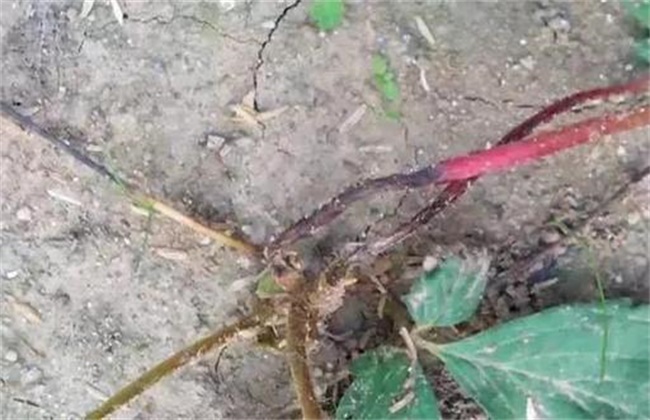
I. Causes of Second-Crop Plants Failing to Produce Fruit
1. Improper flower and fruit thinning
Reasonable flower and fruit thinning can reduce nutrient consumption and promote plant growth. If excess flowers and fruits are not removed in time, it will affect strawberry growth, cause premature aging of the plants and, in severe cases, failure to produce fruit.
2. Neglecting root care
Many growers focus on fruit, leaf and disease management, but often neglect the care of the soil and root system. Soil compaction, acidification and salinization all make it difficult for the roots to breathe and weaken their ability to absorb fertilizer and water. Strawberries have a long harvest period and their roots age severely, which is the main reason for premature aging and failure to produce fruit.
3. Improper leaf removal
During the flowering and fruiting period, leaves should not be removed excessively; this should be decided according to plant vigor and leaf growth. When the plants are growing normally and the leaves are functioning well enough to meet their light and air penetration requirements, no leaf removal is needed. Seedlings from which old leaves are frequently removed grow vigorously, while seedlings from which old leaves are not removed actually produce more flowers and do not fail to fruit, so leaf removal should be increased to stimulate flower bud differentiation.
4. Covering the greenhouse too early
Flower bud differentiation in strawberries is mainly induced by low temperatures. If the greenhouse is covered too early, temperatures inside the greenhouse staying above 10°C for a long time will be unfavorable for flower bud differentiation, and when temperatures exceed 25°C, flower bud differentiation cannot occur regardless of photoperiod.
5. Insufficient fertilizer and water supply
After picking the fruit, many growers feel that the strawberries lack nutrients and apply too much nitrogen and phosphorus fertilizer, causing excessive vegetative growth. Vegetative growth then inhibits reproductive growth, and excessive vegetative growth affects flower bud differentiation, resulting in failure to produce fruit.
II. Solutions
1. Reasonable flower and fruit thinning
According to the plant's growth condition, carry out flower and fruit thinning reasonably. Generally, 5-8 fruits are retained per inflorescence, and the number of fruits retained should also be determined comprehensively based on factors such as strawberry variety, planting density and soil fertility.
2. Root care
After entering the flowering and fruiting period, in order to ensure a well-developed root system, soil conditioning and root care and protection should be carried out. Apply potassium fulvate and Milegen amino acid water-soluble fertilizer in time to loosen the soil, enhance soil aeration, alleviate soil compaction and salinization, promote roots to grow downward, promote flowering and fruiting, and increase yield.
3. Reasonable leaf removal
Strawberry leaves are constantly renewed throughout the year. When leaves begin to turn yellow and the base of the petiole also starts to change color, it means the leaves have lost their photosynthetic function, and they should be removed in time. In addition, overwintering old leaves often harbor pathogens and should be removed promptly after new leaves grow out.
4. Strengthen fertilizer and water management
Strawberries are a continuously flowering crop; some plants are still swelling their fruit, some are still flowering, and some are in the flower bud differentiation stage. After strawberries are harvested, the plants have consumed too many nutrients and cannot supply enough nutrition themselves, so reasonable balanced fertilization is the key at this time.
The above is an introduction to the causes of and solutions for second-crop strawberry plants failing to produce fruit. We hope it helps you. To learn more related knowledge, please stay tuned to us.