-
Symptoms, Damage and Control Methods of Coconut Scale Insects
What is the damage caused by the coconut pest Pseudaulacaspis? How should it be controlled? Ecological habits: there may be 10 generations per year, and 1 generation lasts about 33 days. It usually reproduces by parthenogenesis; the mother insect lays eggs under the scale around her body, the egg-laying period is 8 to 10 days, and each female can
-
Mealybug Characteristics and Detailed Description of Damage Symptoms
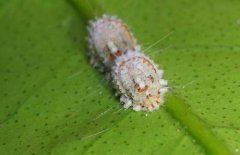
There are many kinds of scale insects. Do you know about the mealybug? What are its damaging habits? What does it look like? Let's take a look together. Damaging habits: It can occur on poinsettia year-round, and infestations are especially severe in poorly ventilated facilities. Many
-

What pesticide works well for controlling scale insects?
Currently, scale insects occur in all parts of our country, and the degree of damage is becoming increasingly serious. From southern fruit tree crops such as citrus, lychee, and mango, to northern fruit tree crops such as apple, pear, and peach, none are spared. The scope of damage shows a trend of being heavier in the south than in the north, with damage to fruit trees
-
Introduction to Control Methods for Scale Insects on Pear Trees
The control of scale insects on pear trees should adopt comprehensive measures of strengthening agricultural control, timely application of efficient and targeted pesticides, and protection and utilization of natural enemies: First, reasonable fertilizer and water management should be carried out to enhance tree vigor and reduce damage. In winter and spring, combined with pruning, dense branches and branches with severe pests and diseases should be cut off to make the canopy well-ventilated and allow light through.
-
What are the control methods for scale insects on peach trees
There are many species of scale insects that harm peach trees. The main species occurring in our province is the globose scale (Eulecanium kunoense), belonging to the order Homoptera, family Coccidae, genus Eulecanium. When its population is large, the affected branches are covered with dense layers of scale shells, causing poor tree growth; in severe cases, the leaves and small branches wither and die, and even the whole plant may die.
-
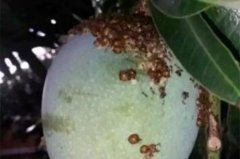
What are the control methods for mango scale insect pests?
This pest is distributed in Guangdong, Hainan and Guangxi, and is a locally sporadic major pest, causing damage only in a few orchards. It can damage the branches, leaves and fruits of parts of the canopy, sucking the sap from their tissues, causing leaf drop and fruit drop, and in severe cases causing premature decline of the tree.
-
How to control scale insects on pomegranate trees?
Pomegranate is a fruit with a sweet and sour taste, and also a plant with high ornamental value, because its flowers are very brightly colored and its flowering period is relatively long, making it particularly suitable for planting in courtyards and along roadsides. Nowadays, growing pomegranate bonsai is very popular, and placing them at home also serves
-
What pesticide is most effective against scale insects, one of the "five small pests", and what natural enemies do they have?
Scale insects, also called mealybugs (scale insects), mainly damage various fruit trees, flowers, succulents and other plants, often gathering in clusters on branches, leaves and fruit, feeding on plant sap, and in severe cases causing plant death. Today the editor will introduce to you what pesticide is most effective against scale insects.
-
Prevention and Treatment Methods for Cottony Maple Scale on Golden Privet
Golden privet is an indispensable colored-leaf plant used for color blocks in urban landscaping, and cottony maple scale disease is one of its common diseases. Below, we introduce methods for preventing and treating cottony maple scale disease on golden privet for reference. I. Cottony maple scale disease on golden privet Also known as mulberry
-
Control Techniques for Aphids, Red Spider Mites, Scale Insects, Damping-Off, Rust, and Powdery Mildew on Flowers
In spring the temperature turns warm then cold again, and the air humidity is high. At present the occurrence of crop pests and diseases is at a moderate to severe level, and flowers also suffer from many pests and diseases. The following are generally the more serious ones from April to May: 1. Damping-off When the temperature reaches 20°C, newly sown
条件筛选