-

Is Chinese gentian (Gentiana scabra) poisonous? The latest answer is here
Chinese gentian is the root and stem of the perennial herb Gentiana scabra and related species in the Gentianaceae family. It is mainly produced in Northeast China and can be harvested in both spring and autumn, with the autumn harvest being of better quality. The roots and rhizomes are used as medicine. It is bitter in taste and cold in nature, and its action is specifically to clear heat and dry dampness. Its effect of purging excess fire of the liver and gallbladder is very strong,
-
What areas make up the latest geographic distribution of Gentiana scabra?
Gentiana scabra is a perennial herb of the genus Gentiana in the Asteraceae family, also known as Lingyou, Cao Longdan, Ku Longdancao, Didancao, Dancao, Shan Longdan, Siye Dan, etc. Its roots and rhizomes are used as medicine; it is bitter in taste and cold in nature, and its function is specifically to clear heat and dry dampness. Its effect of purging excess fire of the liver and gallbladder is very strong, and it can also calm wind, stop spasms, and relieve pain.
-
How to grow Gentiana scabra? The latest planting techniques and methods tutorial
Gentiana scabra is a perennial herbaceous plant of the genus Gentiana in the family Gentianaceae, also known as Cao Longdan, Ku Longdan Cao, Di Dan Cao, Dan Cao, Shan Longdan, Si Ye Dan, etc. It is a common Chinese medicinal herb, distributed in Northeast China and Inner Mongolia, Hebei, Shaanxi, Xinjiang, Jiangsu, Anhui, Zhejiang and other places, with
-
Detailed Introduction to the Latest Propagation Methods of Gentiana scabra
Gentiana scabra is a perennial herb of the genus Gentiana in the family Gentianaceae, found in Inner Mongolia, Hebei, Shaanxi, Xinjiang, Jiangsu, Anhui, Zhejiang and other places, growing on hillside grasslands, roadsides, riverbanks, in thickets, at forest edges and under forests, and in meadows, with high medicinal value, and can be propagated by seed
-
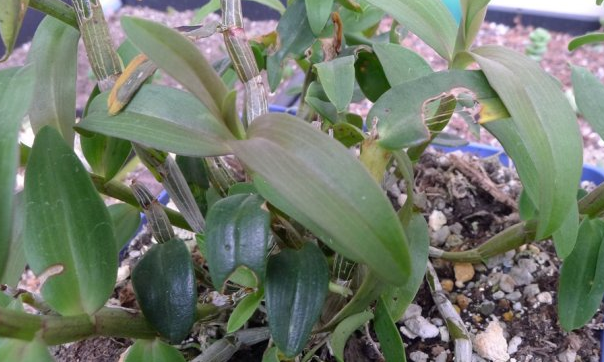
How to grow Haworthia scabra var. gigantea 'Kuangci'? Detailed care guide
Giant Peony Haworthia arachnoidea var. scabraspina, Liliaceae, soft-leaved Haworthia genus. The Giant Peony is a very beautiful natural variety, with a crystal-clear plant body. The leaves point upward, and 4 rows of semi-transparent fleshy spines grow horizontally along the leaves.
-

What are the precautions for planting Gentiana scabra? A full breakdown of the key points
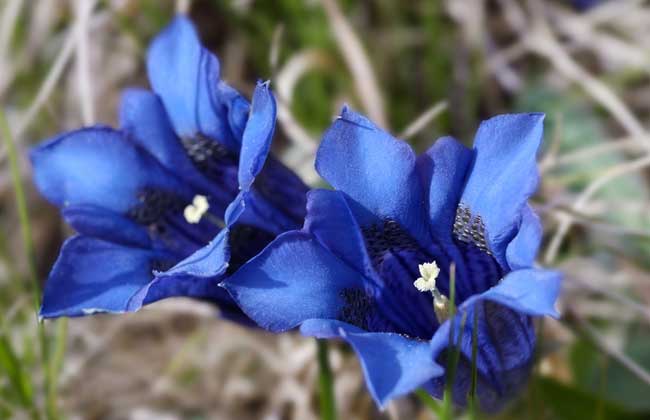
Precautions for planting Gentiana scabra
-
-
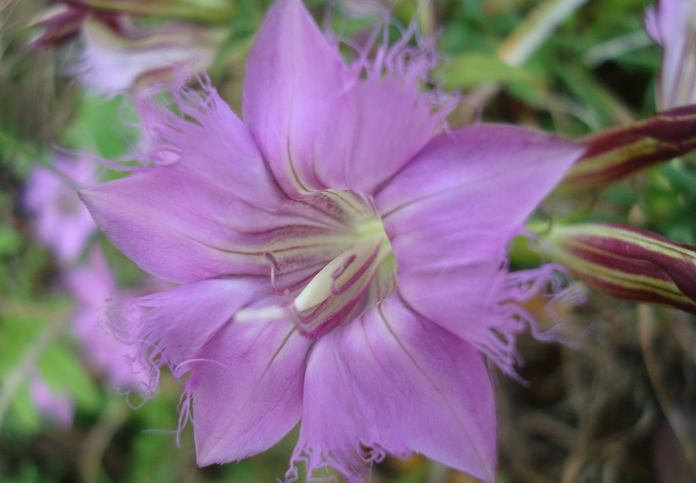
What are the cultivation methods for Gentiana scabra? A detailed explanation of growing techniques
Gentiana scabra is a plant in the genus Gentiana of the family Gentianaceae. It has the effects of clearing heat and drying dampness, and purging excess fire from the liver and gallbladder. It mainly treats high blood pressure, dizziness and tinnitus, cholecystitis, acute infectious hepatitis, genital dampness and itching, damp-heat jaundice, sores, boils and carbuncles, bitter taste in the mouth, and infantile convulsions, and is a fine medicine for protecting the liver and promoting gallbladder function. Nowadays many people grow Gentiana scabra
-
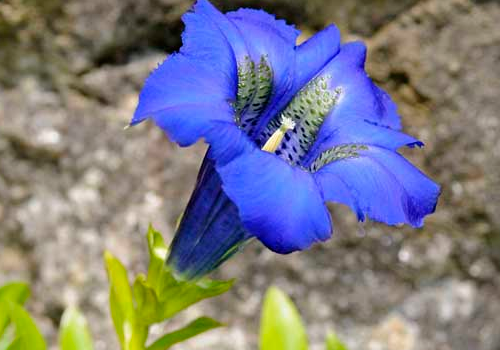
Cultivation Techniques for Gentiana scabra and the Benefits of Drinking It as a Tea
Gentiana scabra is a Chinese herbal medicine that can have a sedative effect, so what are the cultivation techniques for Gentiana scabra? And the benefits of drinking it as a tea? Cultivation techniques for Gentiana scabra: Gentiana scabra prefers a damp, cool climate and grows wild in mountainous areas, on slopes, at forest edges and in thickets. During the entire growing season, its temperature requirements are quite high.
-
How can Gentiana scabra achieve high yields? Detailed explanation of cultivation techniques
High-yield cultivation techniques for Gentiana scabra
条件筛选