-
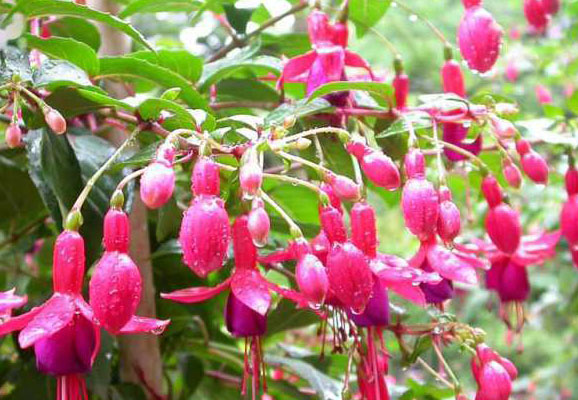
How to care for fuchsia to get through summer safely
Fuchsia prefers a cool, airy, semi-shaded environment, with an optimum growing temperature of 15-25°C. When the temperature exceeds 30°C it enters a semi-dormant state, at which point leaf drop and root rot very easily occur; if effective measures are not taken in time, the whole plant can die.
-
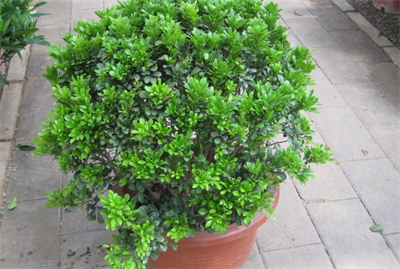
Keep houseplants sensibly indoors in summer to help you stay healthy through the hot season
In the scorching summer, running the air conditioner indoors can cool things down, but closing doors and windows blocks air circulation. So keeping a few flowers with complementary functions in the home can act as an air filter. Most flowers carry out photosynthesis during the day, absorbing carbon dioxide and releasing oxygen, and respire at night, absorbing oxygen
-

What are the care methods for keeping geraniums safe through the summer?
Gardeners often ask what measures should be taken to protect geraniums through the summer safely? In fact, this is a headache for many gardeners. But quite a few gardeners have their own solutions to this problem, and I hope everyone can share their own experiences.
-
How long is the flowering period of cyclamen? With proper care through the four seasons, it can bloom for 5 months
Cyclamen (Cyclamen persicum), a fairly common ornamental plant, is deeply loved by flower enthusiasts for its bright colors and pleasant fragrance. When a cyclamen blooms, it is undoubtedly at its most beautiful. So when does cyclamen bloom? And how long does the cyclamen flowering period last? Actually, cyclamen usually blooms from January to March, but with proper care
-
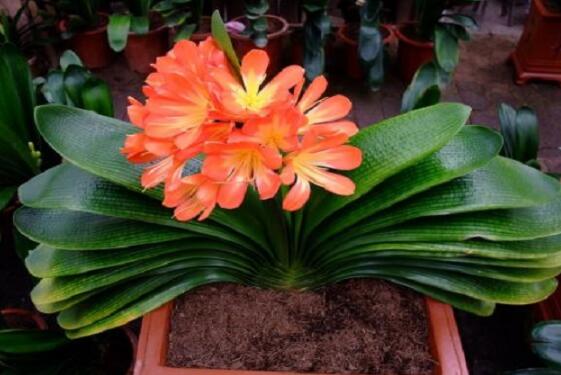
How to water a potted Clivia? The correct method is to water thoroughly in one go
In the Clivia growing methods and precautions, we have already explained that watering is crucial. Once you overwater Clivia and cause water to accumulate in the pot, it will lead to root rot and yellowing leaves. So we need to grasp the principle: do not water until the soil is completely dry, and when you do water, water thoroughly. But how exactly should you do it?
-
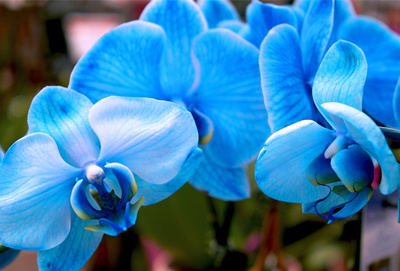
Key points for summer care of Phalaenopsis orchids: do these well and they will get through summer safely
Phalaenopsis orchids like to live in a warm, humid, well-ventilated semi-shaded environment. The most suitable growing temperature is 22-28°C; temperatures too high or too low will both adversely affect their growth. In summer, the weather is hot and dry, the air temperature often exceeds 32°C, air circulation is poor, and direct sunlight is strong
-
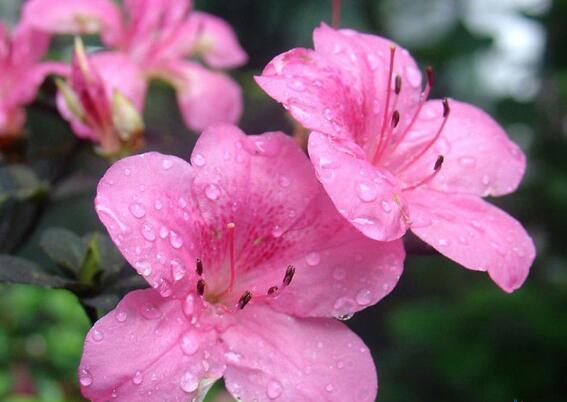
How to water azaleas? The correct method is: don't water until dry, and when you water, water thoroughly
Azaleas, a flowering plant with vivid colors and beautiful form, not only please the eye when kept indoors but also beautify the home environment, making them deeply loved by flower enthusiasts. However, though azaleas are beautiful, keeping them well is not easy, especially when it comes to watering, which requires particular attention. So how should you water azaleas?
-
How to water banana shrub? Once a day in summer; do not water if the soil is not dry, and when you do water, soak it through
Banana shrub (Michelia figo) is an extremely ornamental flower. Its flower color is as warm and soft as if mixed with milky white, making people feel comfortable at a glance, so many flower lovers keep it at home. However, during the growing process, flower lovers are often confused by the seemingly simple task of watering, which leads to a series of problems. They all want to know how to water banana shrub
-
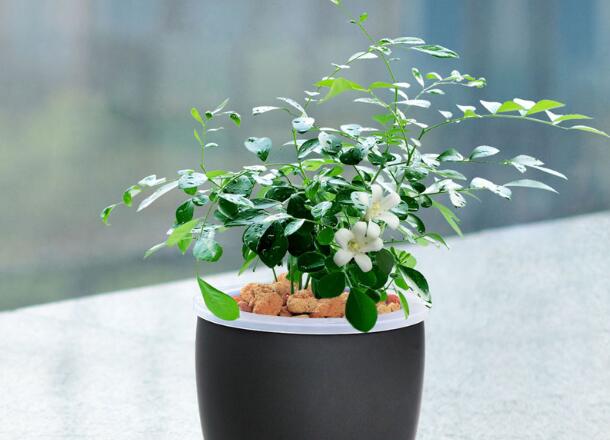
How does Orange Jessamine get through the winter? Reduce watering, ensure light, and prune appropriately
Everyone has probably heard of Orange Jessamine (Murraya paniculata). It lives up to its name: when it blooms, its fragrance can drift nine li away. Of course, that is a bit of an exaggeration, but it does not stop us from growing it. However, in the care that spans all four seasons, Orange Jessamine needs special attention in winter, because problems of all kinds can crop up if you are not careful
-
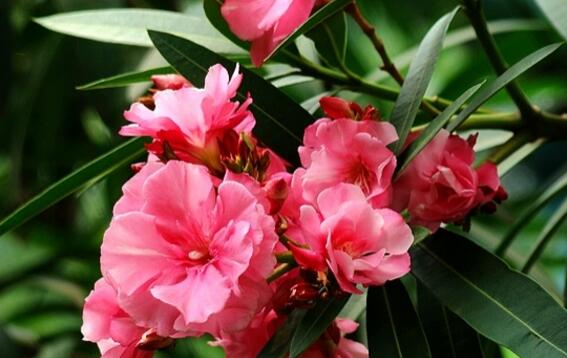
How to water oleander? Water only when dry, and when you do, soak it thoroughly; reduce watering in winter.
As a highly ornamental plant, oleander is very poisonous, but its flowers and leaves are both very attractive, so many people keep it at home. Oleander is highly adaptable and has low demands for water and fertilizer, but if you want it to look better, watering is key. So how do you water oleander?
条件筛选