How does Orange Jessamine get through the winter? Reduce watering, ensure light, and prune appropriately
Everyone has probably heard of Orange Jessamine (Murraya paniculata). It lives up to its name: when it blooms, its fragrance can drift nine li away. Of course, that is a bit of an exaggeration, but it does not stop us from growing it. However, in the care that spans all four seasons, Orange Jessamine needs special attention in winter, because problems of all kinds can crop up if you are not careful. So how does Orange Jessamine get through the winter? Let us answer that for you.
1. How Orange Jessamine gets through the winter: understand its habits
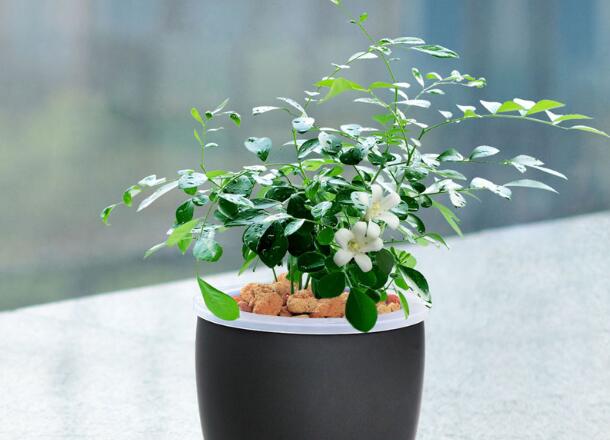
Indoors is not the same as outdoors. To grow Orange Jessamine, we need to create all the environment it requires ourselves, especially in winter, when the plant will run into trouble as soon as the temperature gets too low. So how Orange Jessamine gets through the winter is a very serious matter. For this, everyone should base their care on the growing habits of Orange Jessamine, and specifically do the following:
1. Light: it must be abundant
In the methods for growing Orange Jessamine, we have said that it needs abundant light. In winter, when the temperature drops, light can ensure that Orange Jessamine receives more heat, so light is even more indispensable for it. Therefore, for how Orange Jessamine gets through the winter, we must ensure it can have abundant light, and often put it in a sunny spot to bask.
2. Watering
In winter, when the temperature drops, water evaporates slowly. At this time you must not water Orange Jessamine too much; it is enough to keep the potting soil from cracking from dryness. In addition, when you see dust on the leaves, you can rinse it off with water to keep them glossy.
Note: for how Orange Jessamine gets through the winter, you must water it, but not too much, as this will cause water to accumulate in the pot, which will cause the plant's roots to rot, resulting in the symptoms of yellowing and falling leaves on Orange Jessamine.
3. Soil and fertilizer
Orange Jessamine has fairly strong adaptability and is not demanding about soil, and it does not get its potting soil changed in winter. As for fertilizer, there is a detailed introduction in how to fertilize Orange Jessamine; in winter, fertilizing should be stopped. So for how Orange Jessamine gets through the winter, you can leave soil and fertilizer alone.
4. Pruning
For a plant like Orange Jessamine that grows fairly densely, appropriate pruning is very important. If it grows too dense, it will consume too many nutrients, and winter is not suitable for fertilizing, so in late autumn, when the plant is about to enter its winter period, you should cut off the denser branches or the overly long branches.
5. Pest and disease control
In the process of growing Orange Jessamine, pests and diseases are unavoidable. Especially in winter, to ensure the normal growth of Orange Jessamine, everyone needs to prevent and control them in time. It is understood that common diseases of Orange Jessamine include powdery mildew, gray leaf spot and so on, and common pests include red spider mites, scale insects and so on. Because the control methods have already been introduced in detail in pest and disease control for Orange Jessamine, we will not say more about them here.
2. Winter precautions for Orange Jessamine
For how Orange Jessamine gets through the winter, if you do the above points, there will basically be no problem. However, there is one more thing everyone needs to pay attention to: when the winter temperature falls below 5°C, you should move it indoors. Do not wait until the temperature is below °C before moving it indoors, as this may cause the plant to die.
If Orange Jessamine is to bloom, and bloom beautifully, getting through the difficult winter is crucial. Overall, Orange Jessamine is fairly cold-tolerant and not easily damaged by freezing, but below 0°C it may also freeze to death. So for how Orange Jessamine gets through the winter, everyone should attend to light, watering, temperature and pruning at the same time. That way, after getting through the winter, your Orange Jessamine will bloom with beautiful flowers in June/July.
How to grow Orange Jessamine: methods and precautions for growing Orange Jessamine / pruning is very important
Orange Jessamine, a very beautiful plant, lives up to its name with a very rich fragrance that can spread nine li away. It is deeply loved by flower lovers and is often grown as a potted plant at home. As Orange Jessamine gradually becomes better known, many beginners have also started growing it. So how do you grow Orange Jessamine? Below are the methods and precautions for growing Orange Jessamine that we have carefully compiled. They are very comprehensive, so anyone who wants to grow it should definitely take a look.
1. How to grow potted Orange Jessamine: create the conditions
Growing plants at home is all about benefiting people, and if the fragrance is very strong, so much the better, and Orange Jessamine perfectly meets these conditions. As for how to grow Orange Jessamine, we need to create the soil, light, water and fertilizer it needs according to its growing habits. The specific requirements are all in the methods for growing Orange Jessamine, so let us continue reading.
2. Methods and precautions for growing Orange Jessamine
1. Soil: loose and fertile
For how to grow potted Orange Jessamine, the first thing is naturally choosing soil. According to the growing habits of Orange Jessamine, it likes loose and fertile soil, so you had best choose soil mixed in a ratio of pond mud, peat and river sand at 5:4:1.
Note: the soil chosen for potted Orange Jessamine, besides being loose and fertile, also needs good drainage. Moreover, the pot should be changed once every spring.
2. Light: full sun
Among the methods and precautions for growing Orange Jessamine, light can be said to be the most important. Unlike the plants commonly seen in everyday life, Orange Jessamine very much likes sunlight, and full sun is best!
Note: although Orange Jessamine can also grow with a shorter or poorer light period, it will grow very slowly and its flowering will be affected. So if you want to enjoy the flowers, you had best place Orange Jessamine in a spot with good sunlight.
3. Temperature: 18 to 28°C
Besides soil and light, in the methods for growing Orange Jessamine, temperature is also something everyone should pay attention to. It is understood that Orange Jessamine likes warmth and is slightly cold-tolerant, and grows best at a temperature of 18 to 28°C.
Note: in winter, the indoor temperature should not be lower than 5°C. Although Orange Jessamine can withstand short periods of 0°C low temperature, if it lasts too long, the plant will be damaged by freezing.
4. Watering: water when dry
In the methods for growing Orange Jessamine, the water requirement is not high, so everyone can be fairly casual when watering; just water when the potting soil looks dry. In spring and autumn, when the climate is fairly cool, generally water once every other day; in summer, when the weather is hot, water thoroughly once a day.
Note: you can water Orange Jessamine casually, but do not water too much at one time, because overly wet soil easily causes leaf drop. In addition, watering during the flowering period also needs attention; just do it at the right time and in the right amount, otherwise flowering will be affected.
5. Fertilizing: once a week
During the growth of Orange Jessamine, the fertilizer requirement is fairly high. In May, Orange Jessamine enters its growing period, and everyone should fertilize once a week; during the growth period, apply a mixed fertilizer of nitrogen, phosphorus and potassium to Orange Jessamine, and do not apply nitrogen fertilizer alone; before flowering and bud formation, apply more phosphorus and potassium fertilizer.
Note: use more organic fertilizer and less chemical fertilizer. Generally, change the pot once every 2 to 3 years, and at each pot change you can place bone meal, phosphate fertilizer and cake fertilizer pieces at the bottom of the pot.
6. Pruning
For how to grow potted Orange Jessamine, pruning is also very important. In spring, you should combine repotting with a pruning, cutting off the overly dense and leggy branches. Note: do not prune heavily during the flowering period, so as not to affect the ornamental effect.
3. Precautions for growing Orange Jessamine
In the methods for growing Orange Jessamine above, several points needing attention have already been mentioned, and I believe everyone has remembered them. However, besides those mentioned above, there are three more points flower lovers need to pay attention to, namely the three fears of Orange Jessamine: fear of wetness, fear of cold, and fear of scorching sun.
How Orange Jessamine gets through the winter
Ways to get through the winter
Watering
Orange Jessamine can still adapt to a drier environment, and it should not be overwatered at ordinary times either. In winter, there is relatively little evaporation, so it is even more unsuitable to water too much. Just ensure the soil does not crack too much from dryness. Generally speaking, after late autumn, the plant will gradually slow its development until it stops completely, so its demand for water also gradually decreases. Therefore, by all means do not let water accumulate in the pot, causing the plant's roots to rot. When the leaves get dusty, you can rinse them with water to keep them glossy.
Light
Needless to say, just think of the abundant sunshine in its place of origin, and you can understand that its demand for sunlight is fairly great. In winter the temperature is low, and light can ensure it receives more heat, so it is indispensable. Often put it in a sunny spot to bask. However, by no means place it directly under the sun; it does not like direct sunlight.
Soil
Orange Jessamine has no special requirements for soil. Generally speaking, loose soil rich in nutrients that suits other plants is very suitable for it. As for fertilizer, winter places no particular demand on it; if you want to apply some, just use a small amount of organic fertilizer.
Pruning
In late autumn, when the plant is about to enter its winter period, you can cut off the denser branches and the overly long branches.
Precautions
From its place of origin, one can draw this conclusion: this plant is suited to growing in regions with fairly high temperatures, specifically 20 to 32°C. When the winter temperature drops below 5°C, you should plan to move it indoors. By no means leave it outdoors when the temperature is below 0°C, otherwise it is very likely to cause the plant to die.