-
Garlic Cultivation Techniques: What Pests Attack Garlic Roots and Bulbs?
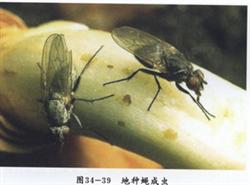
What pests attack garlic roots and bulbs? How to control them, please give an introduction. Garlic root and bulb pests include: Seed maggot. Control methods: First, for fields where a small number of seed maggots have been found causing damage, switch from applying various types of manure to applying refined organic compound fertilizer. For example, bio-organic compound fertilizer containing humic acid bacteria, etc., or apply multi-element compound fertilizer; Second, use Dithane...
-
Papaya Cultivation Techniques: How to Prevent and Control Papaya Seedling Root Rot?
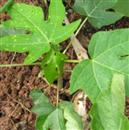
How to prevent and control papaya seedling root rot? Please explain. Papaya root rot is also called papaya root rot disease. Symptoms: This disease mainly affects the root collar and roots. Seedlings during the nursery period and those planted not long ago are more susceptible. It is especially likely when the groundwater level in the nursery and cultivation area is high or poor drainage causes waterlogging, and when the soil is highly clayey. Affected plants...
-
What are the common root diseases of tea plants?
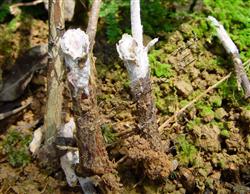
What diseases affect tea roots? Please advise: tea roots are affected by the following diseases: 1. Tea seedling white silk blight 1.1 Distribution and symptoms: Tea seedling white silk blight is a common root disease in nurseries. It has a wide distribution range and causes serious damage. Besides tea, it can also harm more than 200 kinds of plants including cucurbits, Solanaceae crops, fiber crops, tobacco, and peanuts...
-
Succulents growing slowly? Choose to repot for better growth and faster rooting
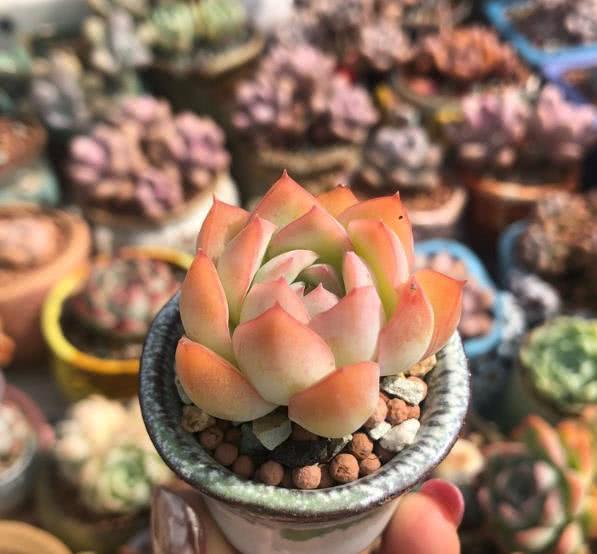
Succulent growth becomes slow or stops altogether, roots poke out of the drainage holes at the bottom of the pot, when loosening the soil the plant's roots clearly get in the way of the loosening tool, and water dries up quickly after watering - these signs indicate that the pot is too small and is affecting...
-
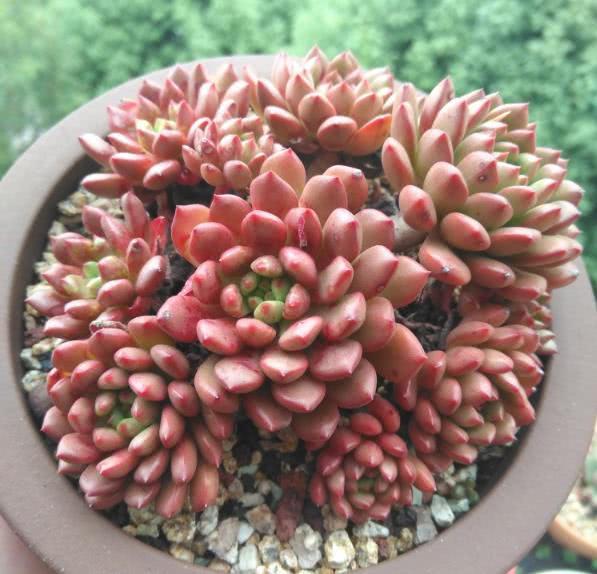
Are black rot and root rot in succulents related to the soil? Take good care of them in daily maintenance
When pests are rampant in the soil, the root system may also be completely destroyed, and over time this will also cause succulents to rot. Fertilizing too heavily, or fertilizer mixed with incompletely decomposed organic matter, can cause "root burn" after application and also lead to plant rot...
-
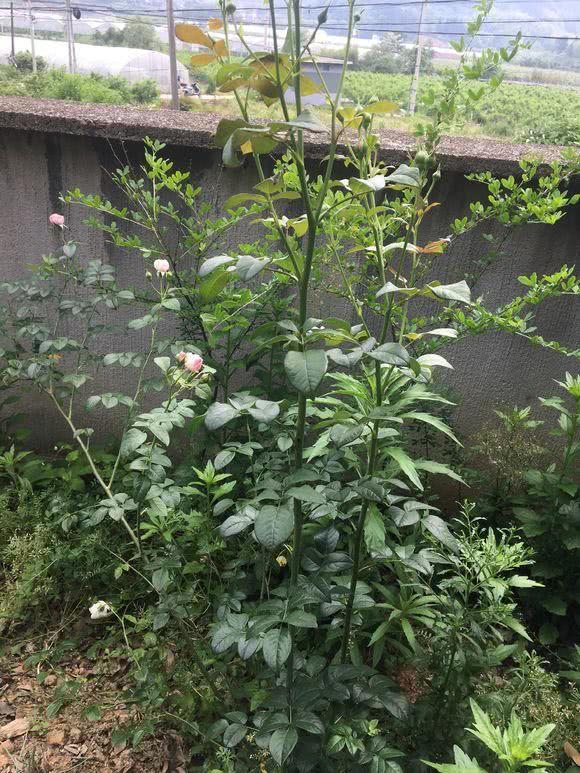
Bought a rose (Rosa) seedling online and it hasn't grown new roots after more than a month in the ground? It comes down to mainly these 2 reasons
The root system of a new rose seedling isn't developing; to use a more professional term, it isn't "settling into the pot." After the new seedling is planted, the roots don't extend out from the original root ball and take hold in the new soil. There are several reasons for this. The first is a difference in growing medium, ...
-
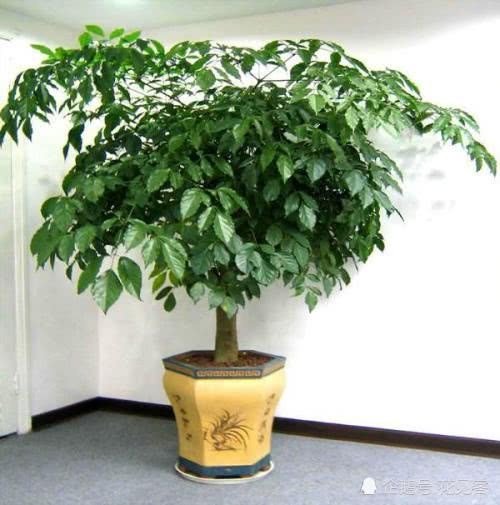
When repotting large green plants, mix this into the soil and they will grow like crazy without compacting or root rot
In recent years, growing green plants and flowers has become a trend. It not only decorates the home and beautifies the environment, but also purifies the air. Some flower lovers grow relatively large green plants, such as the happy tree (Radermachera sinica), areca palm (Dypsis lutescens), and money tree (Pachira aquatica). Growing plants...
-

What are the control methods for lotus root rot?
How do you control rot when growing lotus root? Please give an introduction. Lotus root rot, commonly called stalk rot, mainly damages the underground stem, and the leaves and stalks can also be affected. Affected leaves form green wilt-colored patches along the leaf margins and curl downward, then the whole leaf turns brown, and the leaf stalk shrivels and dies from top to bottom. When it occurs severely, the whole field turns a withered yellow, caus...
-
What is the difference between deep-water lotus root and shallow-water lotus root? Explained in one article
What is the difference between deep-water lotus root and shallow-water lotus root? Please give an introduction. Deep-water lotus root and shallow-water lotus root are different. According to the adaptability of lotus root to water level, it can be divided into two ecological types: shallow-water lotus root and deep-water lotus root. Shallow-water lotus root is suitable for a water level of 10-20 cm, with a maximum water depth tolerance of 30-50 cm. Deep-water lotus root is suitable for a water level of 30-50 cm, with a maximum water depth tolerance...
-

How should lotus root cultivation be managed?
How should lotus root cultivation be managed? Please give a detailed introduction. Lotus root cultivation can be managed by referring to the following methods: For topdressing lotus root, apply fertilizer 2-3 times. The first time is when 1-2 standing leaves have grown, the second time can be before the rows close, and the third time is when the rear ridge leaves appear. Per 667 sq m (mu), for the first application use 200...
条件筛选