-

What to Do When Lucky Bamboo's Roots Turn Black? Causes and Solutions
Lucky bamboo (Dracaena sanderiana) is a plant widely loved by everyone, and it is believed that besides flower enthusiasts, some people who are not very familiar with plant cultivation also grow it. This is not only because it carries an auspicious meaning, but also because of its graceful form and extremely high ornamental value. During the process of growing it, if its roots turn black, it will greatly affect our enjoyment of it. What factors cause this?
-
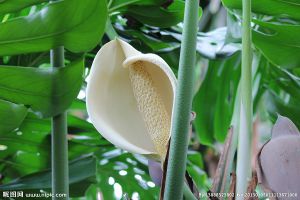
What to Do If a Hydroponic Peace Lily Gets Root Rot? Cause Analysis and Solutions
This plant is very beautiful and elegant. Not only is it easy to keep alive in soil, but it is also very easy to grow hydroponically. However, being too hands-off can also cause its roots to rot. Nami, if this unfortunate situation happens, what methods should we use to solve it?
-

What to Do About Root Rot in Lily of the Valley? Cause Analysis and Solutions
Root rot is a common problem for lily of the valley (Convallaria majalis). How should you deal with it? It is actually not difficult. First, find the cause: if there is too much water, drain it promptly; if there is too much fertilizer, neutralize it promptly; if the situation is relatively serious, just repot it, cut off the rotted roots, then disinfect them, and plant it in fresh potting soil. However, if the situation is very serious and most of the roots have rotted away, it basically cannot be saved.
-
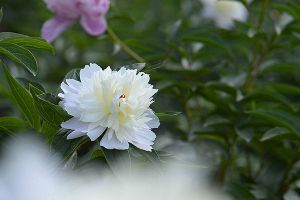
What to Do About Root Rot in Peonies? Cause Analysis and Solutions
Its root rot is mainly caused by soil that is too wet or by pest infestation. If it is the first cause, then we need to let the moisture in the soil evaporate; if it has developed disease because of this, spray it with medication in time. If it is the second cause, we need to drench the roots and use some thiamethoxam or pyrethroid-type products to control the pests.
-

What to Do When a Kalanchoe's Roots Turn Black? Causes and Solutions
While growing kalanchoe, we may notice that it is not growing well, and when we take it out we may find that its roots have all turned black. Don't panic at this point; we need to remove all the blackened roots, then disinfect them, and finally replant it in soil or water.
-

What to Do If Lilac Roots Rot? Cause Analysis and Solutions
Root rot is something most plants will experience, and the causes are quite similar; generally, there are causes such as overwatering, overfertilizing, and improper fertilizing. If it is due to overwatering, move it to a cooler and well-ventilated place. If it is due to overfertilizing, you can rinse it under water, and if it is too severe, consider repotting it. The treatment for improper fertilizing is similar to that for overfertilizing.
-

How to deal with root rot in calla lilies? Practical solutions shared
Root rot caused by root rot disease: in the early stage the leaves change color, then slowly rot, and the top of the flower also changes color and spreads to the petiole and stem; this is caused by mold in the soil. The diseased spots on its roots should be removed, then the plant should be soaked in hot water or acetic acid and replanted.
-
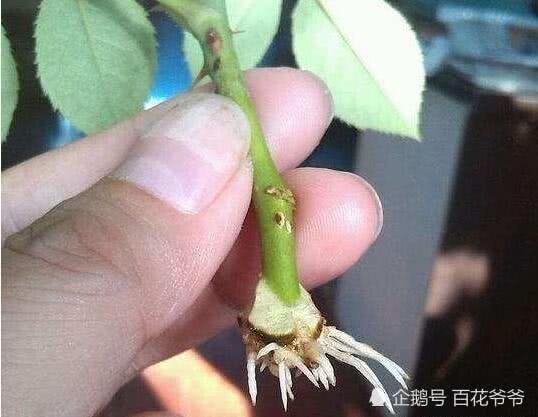
3 useful homemade rooting solutions: dip the cuttings and get a high survival rate
In spring and summer, you just can't resist the urge to get your hands dirty. For example, after the first wave of spring flowers on your roses at home finishes, you feel an irresistible urge to pull off the post-bloom branches and root them as cuttings, but not every cutting is guaranteed to succeed...
-
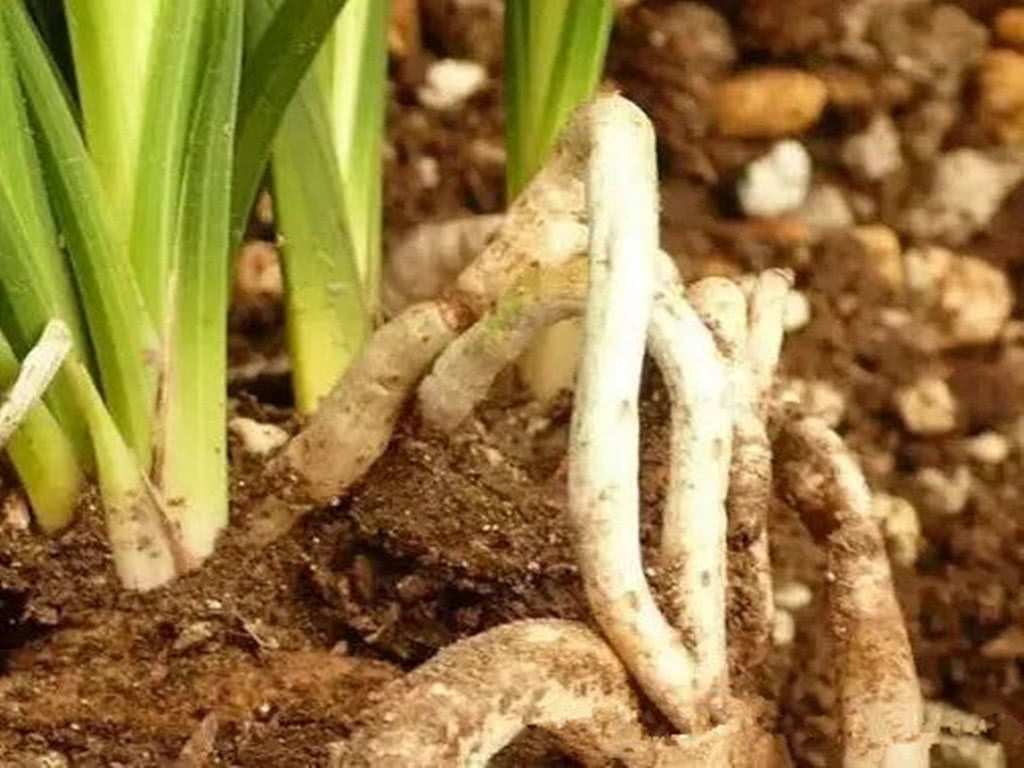
How to prevent hollow orchid roots? Two orchid grower solutions worth learning from
When growing orchids, hollow roots can occur, and an orchid grower devised two solutions to prevent them, which are worth learning from. When caring for orchids, the biggest worry is orchid illness. Sometimes it leaves us at a loss, not knowing where to start with treatment? Take the case of hollow orchid roots...
-

How to save a crabapple with root rot? A detailed guide to practical solutions
There are many causes of root rot in crabapple: if it is caused by soil that is not breathable, then you need to replace it with suitable soil and loosen the soil properly. If it is caused by too much fertilizer, then you need to water heavily to wash away the excess fertilizer. If it is caused by water accumulating in the pot soil, then tilt the pot to let the standing water drain out. If there is no way to save it, then you will need to replant it.
条件筛选