-

Key Techniques for Overwintering Spinach Seedling Protection and Field Management
Spinach (Spinacia oleracea L.), also known as Persian spinach, red-root spinach, parrot spinach, etc., belongs to the genus Spinacia in the subfamily Chenopodioideae of the family Amaranthaceae, and is an annual herbaceous plant. The plant can reach 1 m in height, with a conical root that is reddish, less often white, and leaves that are hastate to ovate, bright green, with entire or
-
What to Do About Root Rot in Spring Cabbage Seedlings? Cause Analysis and Control Methods
Cabbage is a very ancient vegetable; people were already turning it into delicious dishes during the ancient Greek and Roman era more than 4,000 years ago. In Europe today, wild cabbage can still be seen growing on those barren, cold chalk grasslands. Cabbage
-
Maidenhair Fern Watering Methods and Root Rot Treatment Tips
The fronds of the maidenhair fern are extremely emerald green. Seeing those tiny, glossy green leaves lifts your whole mood. But do you know the secret to keeping maidenhair fern leaves emerald green? It is actually very simple: as long as you maintain sufficient moisture, you can achieve that emerald green effect.
-
How often should you water a rubber plant? Watering methods and solutions for root rot
Among green plants, I really like the rubber plant bonsai. Although its leaves are dark green, each leaf clusters and grows upward, thick and steady, giving a strong sense of vitality that urges one forward. Liking it is appreciating it; loving it is watering it. So
-
How to Water a Potted Camellia Sasanqua and What to Do About Root Rot in Potted Camellia Sasanqua
In cultivating potted plants, what matters is the ornamental appeal of the pot and the growth of the plants within it. Planting very beautiful, uniquely shaped plants whose growth is poor will greatly diminish the vitality of the pot and affect its appearance as well. Therefore, when growing potted plants
-
When is the best time to plant spring carrots?
Summary Spring carrots are generally sown from late February to early March. After preparing the soil, open furrows, water moderately along the bottom of the furrows, then form ridges for mechanical sowing or manual dibbling, and cover with fine soil after sowing. Spring carrots can be harvested about 100 days after sowing. 1. Planting
-
Late spring cold snap strikes: how to protect vegetables, wheat and fruit trees?
Late spring cold snap is a weather phenomenon in which temperatures in early spring are lower than the same period in normal years, and crops often suffer frost damage as a result. This kind of dramatic turn in the weather is very unfavorable to agricultural production. If preventive measures are not taken in time, crops can easily be frozen. So, vegetables, wheat, fruit trees
-
How to Protect Cherry Trees from a Late Spring Cold Snap? 7 Tips to Help Growers Avoid a Total Crop Loss
A late spring cold snap is a killer for crops. During March and April, just when some crops are at key stages of flowering and young fruit development, a late spring cold snap can very likely cause reduced yields or even a total crop loss. For example, cherry trees, which are relatively sensitive to environmental changes, need proper protective measures
-
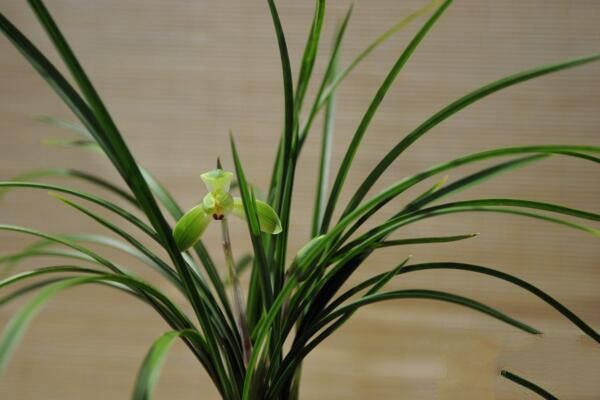
Methods for tying orchid flower stems during the flowering period, protecting flower form and color
How do you tie orchid flower stems during the flowering period to protect flower form and color?
-
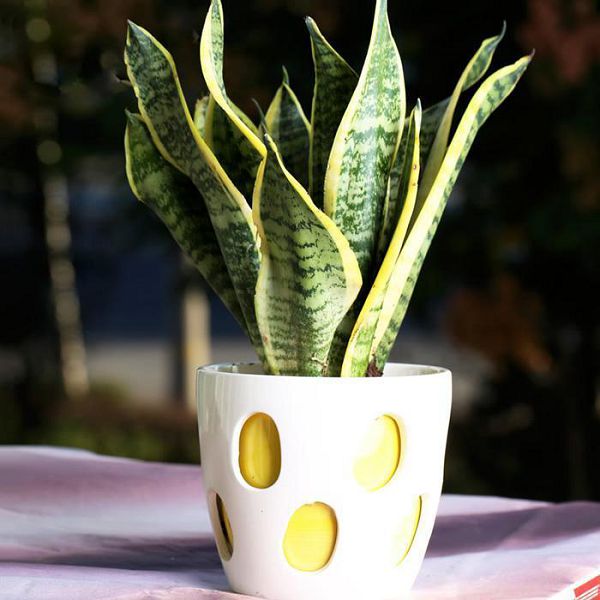
Several ways to tell if a flowering plant has root rot, catch it early and treat it early for better growth
Several methods for judging root rot in flowering plants, detect it early and treat it early so the plant grows better
条件筛选