Methods for tying orchid flower stems during the flowering period, protecting flower form and color
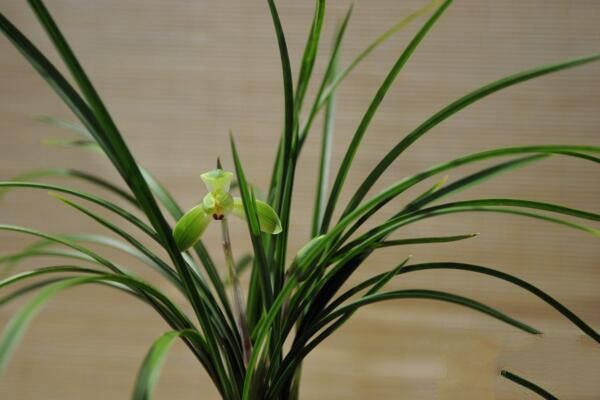
Orchid racemes bear several or many flowers, with colors including white, pure white, white-green, yellow-green, pale yellow, pale yellow-brown, yellow, red, blue-green, and purple. However, in actual cultivation and management, wind and rain can lead to poor ornamental results, so today the editor will discuss orchid flowering period management measures, hoping to be of some help to everyone.
1. Tie up the flower stems in time
During the period when cymbidium flower stems are growing taller, because orchids are phototropic, the flower stems often lean to one side; after turning the pot's placement direction, they then grow leaning to the other side, causing the flower stems to bend into an "S" shape. In response to this situation, growers can insert a support stake into the pot when the flower stems are growing taller, and add ties so that they grow straight upward. It should be noted that when tying, do not tie too tightly, because at this time the flower stems are still continuously growing taller, and tying too tightly will affect the upward growth of the flower stems.
2. Avoid wind and rain
After orchid flowers open, absolutely do not let strong winds blow freely. First, dry wind may wither the petals; second, strong wind may break the flower stems. After the flowers open, they should not be exposed to rain or sprayed with water, otherwise the flowers will easily wither and lose their ornamental value.
Orchids must not be exposed to rain during the flowering period, but when there are no flowers, exposing orchid plants to rain is beneficial and harmless. The benefits are mainly three: first, rain can wash dust off orchid leaves, which helps the orchid plant carry out photosynthesis and respiration; second, the moisture of rainwater can thoroughly wet the potting medium, which is good for orchid growth; third, rainwater can increase air humidity and promote orchid growth.
3. Safely transport orchids with flowers to exhibitions
Orchids with good flower form should be entered in orchid exhibitions as much as possible. If the exhibition site is relatively close, they can be exhibited without removing them from the pots; if the exhibition site is far away, they must be removed from the pots for transport. During the process of removing from pots and transporting, pay attention to the following points:
1. Remove from the pot carefully without damaging the orchid.
2. Carefully wrap the flowers with soft high-quality napkins or silk floss, separating the flowers from the leaves.
3. Soak sphagnum moss in water and squeeze out the excess water, then wrap the orchid roots to prevent the orchid plant from losing water and the flowers from withering.
4. Roll the whole clump of orchids in newspaper into a tube shape to avoid friction with other clumps of orchid plants that could cause injury. Then place the wrapped paper tubes into a hard cardboard box with ventilation holes, avoiding mutual compression that could damage the orchids.
5. During transport, handle gently and do not place upside down. After arriving at the destination, pot them using sphagnum moss or a moist soft potting medium.