Several ways to tell if a flowering plant has root rot, catch it early and treat it early for better growth
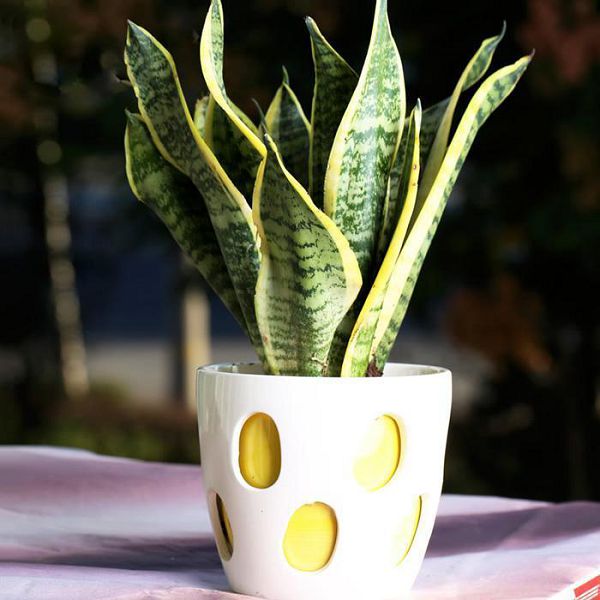
When growing flowers, the most frustrating problem is root rot, because once you water too much the plant's roots may rot, and dealing with it is rather troublesome. Some people also fail to notice that the plant's roots have already rotted, which causes the plant to die outright. So how can you promptly discover that a plant's roots have rotted?
Observe the soil
First water the soil thoroughly, then after two days take a look at the soil's color. If the soil color turns white, it means its roots can absorb water well and no root rot has occurred. If after two days the soil is still fairly moist, it means its roots can no longer absorb water normally, and it may already be rotten or showing early signs of rot.
Observe the leaves
You can place identical plants together, then observe the growth of the leaves or the leaf color. If the leaves show no vitality and the color is dull, and the undersides of the leaves are grayish, and the lower leaves are also dropping, it means the plant's roots have already rotted, and you must deal with it immediately.
Observe the leaf tips
You can observe the color of the plant's leaf tips to judge whether the plant's roots have rotted. If the plant's leaf tips turn yellow, become withered at the tip, or small spots appear on the leaf tips, it means the plant's roots have already rotted. Once the roots have rotted, nutrients cannot reach the leaf tips, which causes the leaf tips to turn yellow.
Touch the leaves
The method of touching the leaves is fairly effective for foliage plants. You can gently touch the leaves; if touching the surface of the leaves gives a cool, comfortable feeling, it means the plant is relatively healthy. If it feels shriveled and dry to the touch, it means the plant's roots have already rotted, and the leaves lack nutrients and have lost their original luster.