-
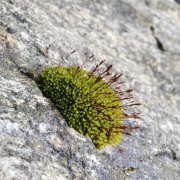
Does wall moss have leaves? A detailed explanation of its living environment, reproduction method and conducting tissue
Wall moss is a bryophyte, belonging to the family Pottiaceae among bryophytes, and is a clump-forming plant, mainly growing on soil under forests or on rocks at an altitude of about 1200 m. This moss is also very widely distributed; in China its main distribution areas are Xinjiang, the northern and southern
-
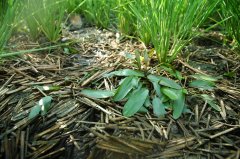
When is the flowering season of Taiwan water-fern? Reproduction methods and whether it has a dormant period
The genus name of Taiwan water-fern (family Aponogetonaceae), in Latin, refers to the plant's growing environment being swampy wetlands. Because its tubers are rich in starch, in the early era of material scarcity, farmers would remove the outer skin of the tubers, cook them with sugar as a snack, hence it is also known as "
-
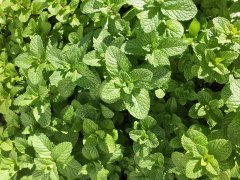
Wild Mint Spreads Aggressively: How to Handle It and Precautions for Medicinal Use of Mint
Wild mint varieties: out of curiosity, I began studying this plant family a few weeks ago, because the number of wild invasive mint species is impressive, and although they are uninvited, they spread through my lawn and garden. These perennials spread through underground stems
-

How Do Starfish Reproduce? A Detailed Explanation of Their Reproduction Methods
Starfish are the most representative group of echinoderms in terms of structure and physiology, and their reproductive capacity is relatively strong. So do you know how starfish reproduce? Let's take a look below. 1. How do starfish reproduce? Starfish have a very strong reproductive capacity, and their lifespan can reach 35 years. All
-
How Do Crocodiles Reproduce? A Detailed Explanation of Their Reproduction Methods and Process
The crocodile is an animal often seen in zoos or on television, and it is currently an endangered animal. So how do crocodiles reproduce? 1. How do crocodiles reproduce? Every year from December to March of the following year is the mating season for crocodiles, and female crocodiles reach sexual maturity when their total length averages
-
Dragon Fruit Hand Pollination Methods and Technical Key Points
Plant reproduction is inseparable from the pollination of male and female flowers. Originally, pollination was carried out by insects and animals such as bugs, ants, birds, and butterflies. However, to increase the fruit set rate of plants and improve fruit quality, hand pollination came into being. Yet the floral morphology and structure of each plant
-
Which plants spread their seeds? An introduction to common types
Reproducing offspring is not only one of the life activities of animals; plants are the same. Plants have many ways of spreading their own seeds, and many plants can spread their seeds all over the world without spending time and effort themselves. Which plants spread their seeds?
-
How Does Moss Reproduce? A Detailed Explanation of Moss Reproduction Methods and Techniques
Moss is a type of bryophyte plant that does not flower, does not produce seeds, and has no roots, so how does moss reproduce? Let us take a look together below. 1. How Does Moss Reproduce? Moss plants share a life cycle that produces the first dominant generation, the gametophyte.
-
What Are the Common Ways Plants Spread Their Seeds?
Reproducing offspring is not only one of the life activities of animals; plants are the same. Plants have many ways to spread their own seeds, and many plants can spread their seeds across the world without spending time and effort themselves. 1. Wind dispersal Relying on
-
A Detailed Guide to Hazel Grouse Breeding Technology, Reproduction Methods and Precautions
Abstract Breeding technology: Clean the indoor and outdoor brooding utensils, the preparation of veterinary drugs mainly includes disinfectants and preventive drugs, each chick should be prepared with 22 to 24 grams of compound feed throughout the entire brooding period, maintain a suitable temperature, and they come into estrus and mate in late April or May. Precautions
条件筛选