-

Glufosinate toxicity feared to damage the reputation of domestic adzuki beans; BAPHIQ leads experts and pesticide companies in assessment
Herbicide spraying on adzuki beans 06"Glufosinate's high toxicity feared to damage the reputation of domestic adzuki beans; BAPHIQ leads experts and pesticide companies in explanation, says it has carefully assessed
-
If open use of glufosinate is allowed for red beans, will consumers still dare to buy? Wandan Farmers' Association urges the government to think it through
Herbicide spraying on red beans 03"Wandan Farmers' Association: The government must think it through. If glufosinate is opened up, will consumers no longer dare to buy red beans?
-
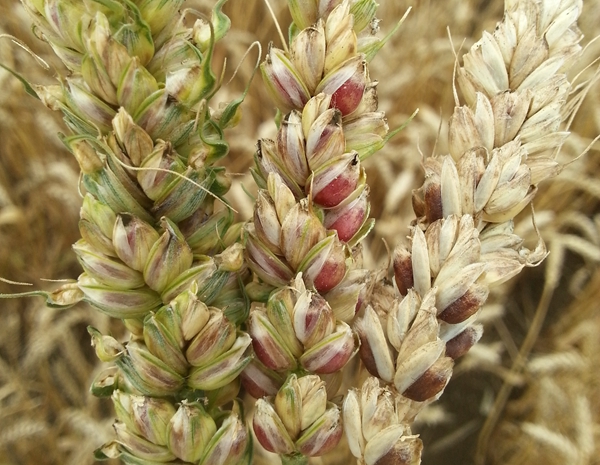
Cultivation and Processing of Colored Wheat, Peanuts, Corn and Beans in Nanyang, Henan
Cultivation and Processing of Colored Wheat, Colored Peanuts, Colored Corn and Colored Beans in Nanyang, Henan
-

Red beans and black beans found with pesticide residues exceeding limits in random inspection, Consumers' Foundation announces results
Consumers' Foundation finds red beans and black beans with pesticide residues exceeding limits in random inspection
-
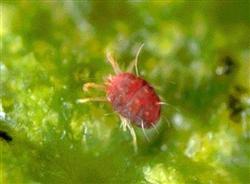
How to Control Red Spider Mite Infestations on Mung Beans
Chemical control is the main approach. Strengthen field inspections; once localized, patchy occurrences are found, spray promptly for control. Use a 1000-fold dilution of 50% malathion emulsifiable concentrate, or a 2000-fold dilution of 50% naled, or a 5000-fold dilution of 25% deltamethrin. Spray once every 7 days, for 2 to 3 consecutive applications.
-
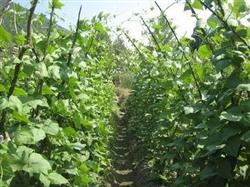
How to solve red root in kidney beans? Detailed explanation of prevention and control methods
The kidney bean originated in Mexico and the Americas and began spreading around the world from the 17th century. It is also known as the multiflora bean and the large-flowered kidney bean. It has a long history of cultivation, and because of large export volumes, its area has expanded year by year. It is rich in nutrients and high in protein; it is both a vegetable and a food grain, and can also be used for pastries and bean paste, making it an export earner...
-
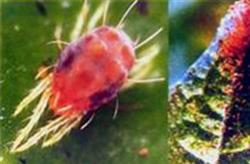
What are the methods for controlling red spider mite pests on mung beans?
How do you protect mung beans from the red spider mite pest? Please advise focusing on chemical control. Strengthen field inspections; when localized patchy outbreaks are found, spray promptly for control. Use 50% malathion emulsifiable concentrate at 1000 times dilution, or 50% naled at 2000 times dilution, or 25% deltamethrin at 5000 times dilution. Spray once every 7 days, for 2 to 3 consecutive applications....
-
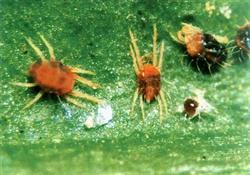
How to control red spider mites on mung beans? These methods you need to know
How to control red spider mites when growing mung beans? Please introduce the methods. Both the adults and nymphs of the mung bean red spider mite can harm mung beans. They spin silk webs on the underside of mung bean leaves and suck leaf sap with their piercing-sucking mouthparts. The damaged bean leaves first show yellow-white spots, and later, as the red spider mites increase, the webs take on a slightly reddish patch with large numbers of red spider mites...
-
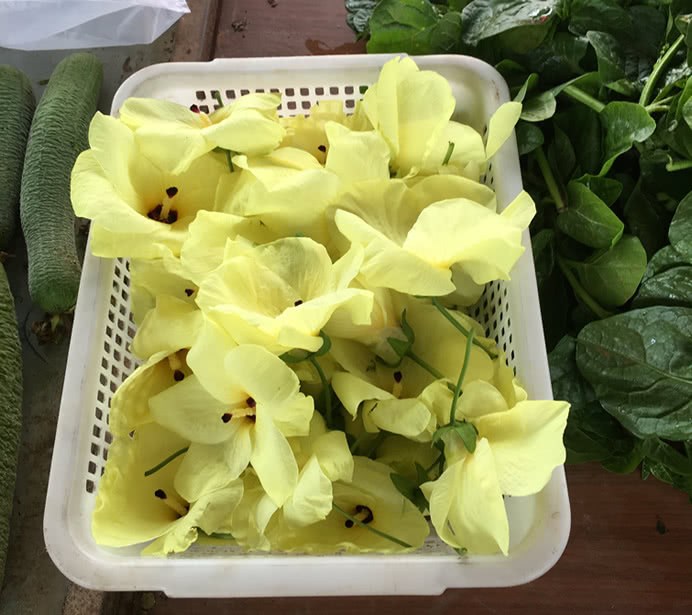
Edible flowers go unnoticed at the vegetable market, with nutrition a hundred times that of soybeans; buy twenty blooms and take them home
While shopping for vegetables at the market, I came across a stall selling flowers, but these flowers were not for us to admire - they were for eating. The owner told me these flowers cost 2 yuan each and are called tengteng flowers, and they are quite a treasure; take them home to make soup, and the taste...
-
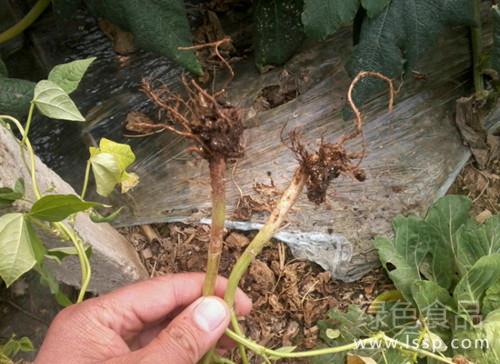
How to prevent and control red root in kidney beans? Solutions for roots that turn red, shrivel, and produce no new roots
Prevention and control methods for red root in kidney beans, where roots turn red or shrivel and produce no new roots
条件筛选