-
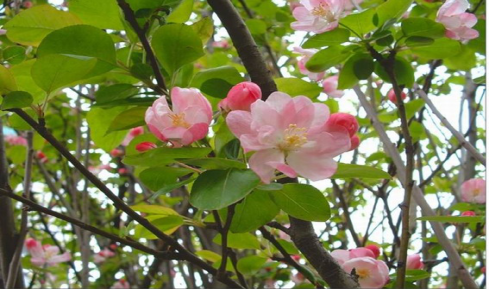
What are the cultivation benefits of crabapple flowers? Read this article to find out
Crabapple fruit is rich in vitamins and organic acids, which can promote the digestion and absorption of food in the stomach and intestines, so it can be used to treat indigestion; crabapple flowers can absorb a large amount of carbon dioxide from the air, playing an important role in urban street green spaces and mining area landscaping; in addition, crabapple flowers can also absorb smoke and dust from the air
-
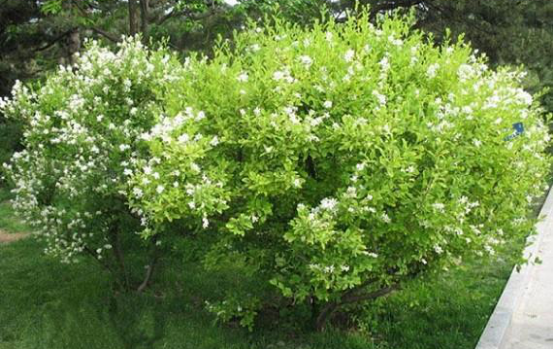
What are the care methods for the common pearlbush? Read this one article to understand
1. Pot and soil selection. The common pearlbush can be grown outdoors in the ground or kept in a pot for ornament. When growing it in a pot, choose a suitable flowerpot according to the size of the common pearlbush plant. Before filling the soil, first place a drainage layer made of some broken tiles at the bottom of the pot.
-

How to grow the African Tulip Tree? Read this and you will understand
1. Sunlight and temperature. The African Tulip Tree is native to Africa and is a sun-loving plant that tolerates drought and high temperatures and is not afraid of strong light. Its suitable growing temperature is between 20 and 30 degrees. It should be noted that when the African Tulip Tree blooms, if the temperature is not high, the number of flowers will be few. 2. Soil. The African Tulip Tree has strong adaptability
-
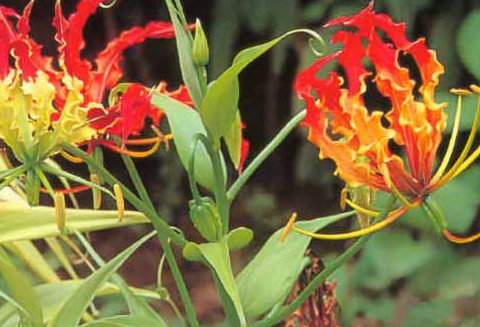
What are the propagation methods for Gloriosa lily? You'll know after reading this
Division and stem cutting: Before the Gloriosa lily sprouts in spring, remove its offshoot rhizomes, each piece must have a bud eye, transplant them into new flower pots, and cover with about 3 cm of soil. Sowing: Gloriosa lily seeds can be sown immediately after being collected in autumn, or sown in the following spring, scatter the seeds on the culture soil, keep moist and ventilated
-
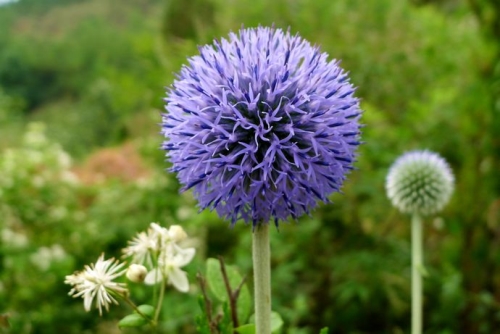
What are the care methods for the globe thistle? You can learn them after reading this
The globe thistle is extremely adaptable, and it is drought-tolerant, poor-soil-tolerant, and cold-tolerant. When cultivating it, we should choose sandy soil with good aeration and good water retention, and place it in a cool, ventilated place for care. Avoid hot, waterlogged environments. As long as you care for it attentively
-

What are the precautions for raising pigs in winter? A must-read for farmers
Precautions for raising pigs in winter
-

The warmth of human connection in the non-GMO ingredients at the breakfast shop under the big tree spreads through the community
Breakfast shop under the big tree: non-GMO ingredients, warmth filling the community
-
Can Boston ferns be grown hydroponically? Read this and you'll understand
Boston ferns can be grown not only in soil but also hydroponically, and the hydroponic method is even simpler. The above is an introduction to whether Boston ferns can be grown hydroponically; below we'll look at the planting methods and cultivation techniques for Boston ferns
-
-
Will there be insect eggs on mosquito-repellent plants? Read this and you will understand
Many people think that mosquito-repellent plants can repel all mosquitoes and insects, but in fact there are many kinds of mosquito-repellent plants, such as mint, night-blooming jasmine, wampee, fennel, and pyrethrum, all of which have some effect on mosquitoes and insects. But the most commonly used is scented geranium (Pelargonium graveolens), though it cannot repel all insects, generally only targeting mosquitoes and flies
条件筛选