-

High-position trunk-training technical measures and operational key points for navel orange
Navel orange is an excellent variety of fruit, rich in nutrients with a sweet and uniquely delicious taste, and is especially loved by the general public. So do you know how navel oranges are grown? What should be noted when cultivating navel oranges? Below, follow the editor to learn about navel orange cultivation techniques
-
Garlic Cultivation and Management Techniques: Mastering Timely Sowing and Rational Fertilization
Summary Soil preparation: Fertile, loose, well-drained sandy soil is best, and continuous cropping should be avoided. Sowing: For garlic grown for bulbs, sowing from early September to early October is appropriate, and no later than mid-October; for garlic grown for green garlic, sowing in mid-to-late August is appropriate. Fertilization:
-
Southern Corn Cultivation Techniques: Key Points for Scientific Sowing and Rational Planting
Abstract Scientific sowing: When growing corn in the south, you can choose spring or autumn, and the sowing method can be staged sowing. When sowing, you can first dry the corn in the sun so that it can better absorb water and nutrients. Rational planting: Different varieties of cor
-
High-Yield Cultivation Techniques for Yardlong Beans: Rational Fertilization Is Key
Abstract High-yield yardlong beans require choosing a suitable sowing time. Spring sowing is best in March and May, and autumn sowing is best in early August. During planting, there should be good light and humidity. Active and rational fertilization can promote flowering and fruiting. Manually set up trellises and guide the vines, and do a good job of preventing and controlling pests and diseases in advance.
-
Detailed Guide to Dahongpao Chestnut Cultivation Techniques: Rational Fertilization Improves Quality
Abstract Soil: It is suitable for growing in slightly acidic soil with a pH of 5-6, and it is averse to waterlogging. Site selection: Choose a location with a lower groundwater table and a thicker soil layer to establish the orchard. Temperature: The suitable average annual temperature is around 10°C-22°C. Water: Irrigate before germination and during the period of rapid fruit growth.
-
What planting density is suitable for pear trees? Key points for rational close planting
Abstract The planting density of pear trees can be determined according to the variety type, tree size, planting technique, climate environment, soil environment, and root growth environment. Generally, for varieties with a large canopy, many branches, and vigorous growth, the planting density can be based on a plant-to-row spacing of 4-5m, planting about 30 trees per mu. Varieties with a small canopy and few branches can be appropriately planted more densely, based on a plant-to-row spacing of 3-4m, planting about 50 trees per mu, while varieties with a very small canopy can be planted even more densely.
-
A Detailed Explanation of the Benefits and Key Operational Techniques of Bagging Pear Fruit
There are many varieties of pears, which are grown relatively widely in the northern regions of our country and have relatively high requirements for the growing environment. During the cultivation of pear trees, bagging is often used during the fruiting period to increase the economic benefits and marketability of the pears. Let's take a look below.
-
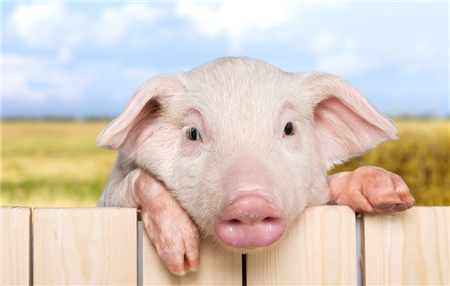
Detailed explanation of rational planning and design of pig farms and internal details
Detailed explanation of rational planning and design of pig farms, and internal details of pig farms
-
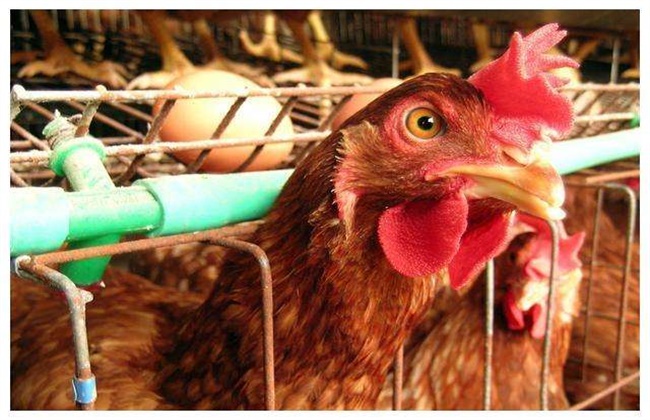
Methods and Key Operational Points for Artificial Forced Molting in Laying Hens
Artificial Forced Molting Methods for Laying Hens
-
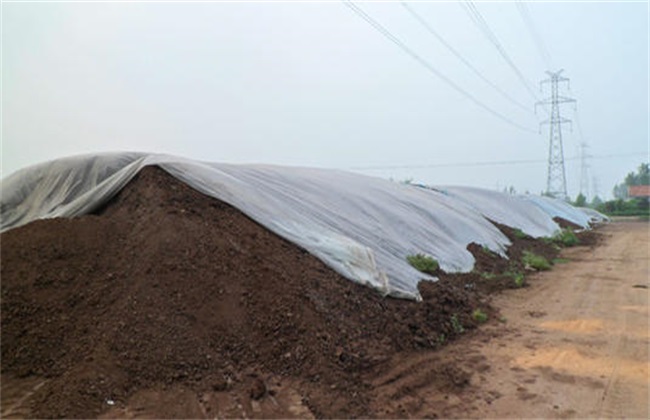
A Detailed Explanation of Farmyard Manure Fermentation Techniques, Methods and Key Operational Points
Farmyard Manure Fermentation Techniques
条件筛选