-

The false prosperity in the agricultural inputs industry is fading, and the market is gradually becoming more rational
The false prosperity in the agricultural inputs industry is fading, and the market is gradually becoming more rational
-
Quality rice industry development requires rational planning and layout
The quality rice industry requires rational planning and layout
-

Detailed Explanation of the Correct Methods and Operational Steps for Fish Pond Disinfection
How Should a Fish Pond Be Disinfected?
-
Detailed Explanation of Key Operational Points for Peach Quick-Freezing Processing Technology
(1) Process flow: raw material selection → pitting and color protection → blanching and cooling → peeling → packaging and syrup injection → pre-cooling → quick-freezing → frozen storage. (2) Key operational points: Raw material selection. After peaches are harvested, ripe ones must be processed immediately; hard, unripe fruits need to be ripened. Properly ripened peaches have bright color, rich flavor, and are easy to pit and peel. Pitting and color protection: after the raw materials ripen, remove the pits with a small knife or a pitting machine, and immediately place the flesh into cold water to avoid contact with air and prevent discoloration. The pitting machine has flesh fragments attached,
-
Chicken Protein Nutrition and the Rational Application of Protein Feed
Protein is one of the most important nutrients for poultry and the material basis of life. It is an important component of the body, participates in the vast majority of biochemical reactions vital to life, and plays an important role in the life activities of animals. The building blocks of protein are amino acids. Feed protein is composed of 22 amino acids, and amino acids form protein molecules of different shapes through different arrangements and combinations. According to whether they can be synthesized in the chicken's body or the speed at which they are synthesized, amino acids can be divided into two major categories: one is essential amino acids, and the other is non-essential
-
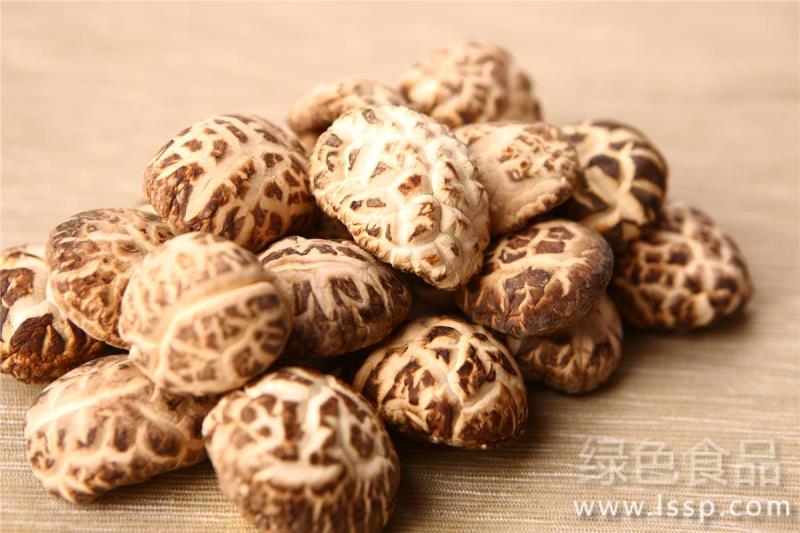
How to artificially create and rationally utilize the cultivation conditions for flower shiitake
Artificial creation and rational utilization - the cultivation conditions for flower shiitake
-
A Detailed Explanation of Tuna Fishing Methods and Operational Procedures
There are quite a few methods for catching tuna, and the most popular one today is longline fishing. Longline fisheries are divided into three types: surface longline, bottom longline, and midwater longline. Tuna longline fishing gear is mainly composed of a main line, branch lines, floats, float lines, and hooks, that is, a tool for catching tuna by hanging several hooked branch lines from an extended main line. Several floats are tied to the main line, and the float lines between the main line and the floats as well as the length of the branch lines serve to adjust the fishing depth. The hooks need to be baited. The bait mainly includes frozen saury, squid, sardine
-
Rational close-planting techniques for dryland potato cultivation
Potato cultivation has a long history in Ulanqab City, and its growth and development patterns match the local natural climate characteristics, giving it obvious resource advantages and enormous development potential. In recent years, potato cultivation techniques have also developed greatly, with the goal of high quality and special use, taking excellent virus-free seed potatoes as the main line, integrating key technologies, forming technical models and technical systems, and innovating extension methods to effectively raise the rates of technology popularization and adoption. In our city, the promotion and application of virus-free seed potatoes was first accelerated, vigorously promoting dryland plastic film mulching cultivation, dryland water-saving practices, soil testing and formulated fertilization, integrated pest and disease control, high-ridge cultivation on irrigated land, and rational close-planting cultivation techniques.
-
Rationalized Layout of Improved Tea Cultivars in Liandu District
Liandu District of Lishui City is located in the heart of southwestern Zhejiang, in the middle reaches of the Ou River. The area is embraced by green mountains and clear waters, with extremely rich ecological resources. It is a national ecological demonstration zone with a forest coverage rate of over 80%, and is known as "Green Liandu." Liandu District has four distinct seasons and a mild climate, belonging to the mid-subtropical monsoon climate zone. The soil is mainly red-yellow soil and lithological soil, with a pH value mostly between 4.5 and 6.5, which is very suitable for tea cultivation, and the tea produced is of excellent quality. 1. Overview of tea production and improved tea cultivar structure in Liandu District
-
Methods and key technical points for rational close planting of garlic
How should garlic be rationally close-planted? Before sowing, the planting density must first be determined, that is, the number of plants per mu. According to trials in the Cangshan garlic production area, on plots with medium to high production levels, planting 30,000 plants per mu yielded 686.7 kg of fresh garlic bulbs; planting 40,000 plants per mu yielded 920 kg of fresh garlic bulbs, a 33.9% increase over planting 30,000 plants; planting 45,000 plants per mu yielded 526.7 kg of fresh garlic bulbs, a 23.3% decrease. The trials found that when the number of plants per mu exceeded 40,000, although the yield increase was significant, the commercial
条件筛选